欢迎访问《中国农学通报》,

中国农学通报 ›› 2026, Vol. 42 ›› Issue (22): 145-153.doi: 10.11924/j.issn.1000-6850.casb2025-1028
肖宇1( ), 崔永涛2, 姚文豪1, 关张权1, 周婷1, 沈汝彬1, 张婷1, 李小盛1()
收稿日期:2025-12-14
修回日期:2026-05-15
出版日期:2026-11-19
发布日期:2026-11-19
通讯作者:
作者简介:肖宇,男,1986年出生,湖北武汉人,助理研究员,硕士,研究方向:作物遗传育种。通信地址:510640 广东省广州市天河区金颖路66号 广东农科院蔬菜所,E-mail:363845468@qq.com。
XIAO Yu1(), CUI Yongtao2, YAO Wenhao1, GUAN Zhangquan1, ZHOU Ting1, SHEN Rubin1, ZHANG Ting1, LI Xiaosheng1()
Received:2025-12-14
Revised:2026-05-15
Published:2026-11-19
Online:2026-11-19
摘要:
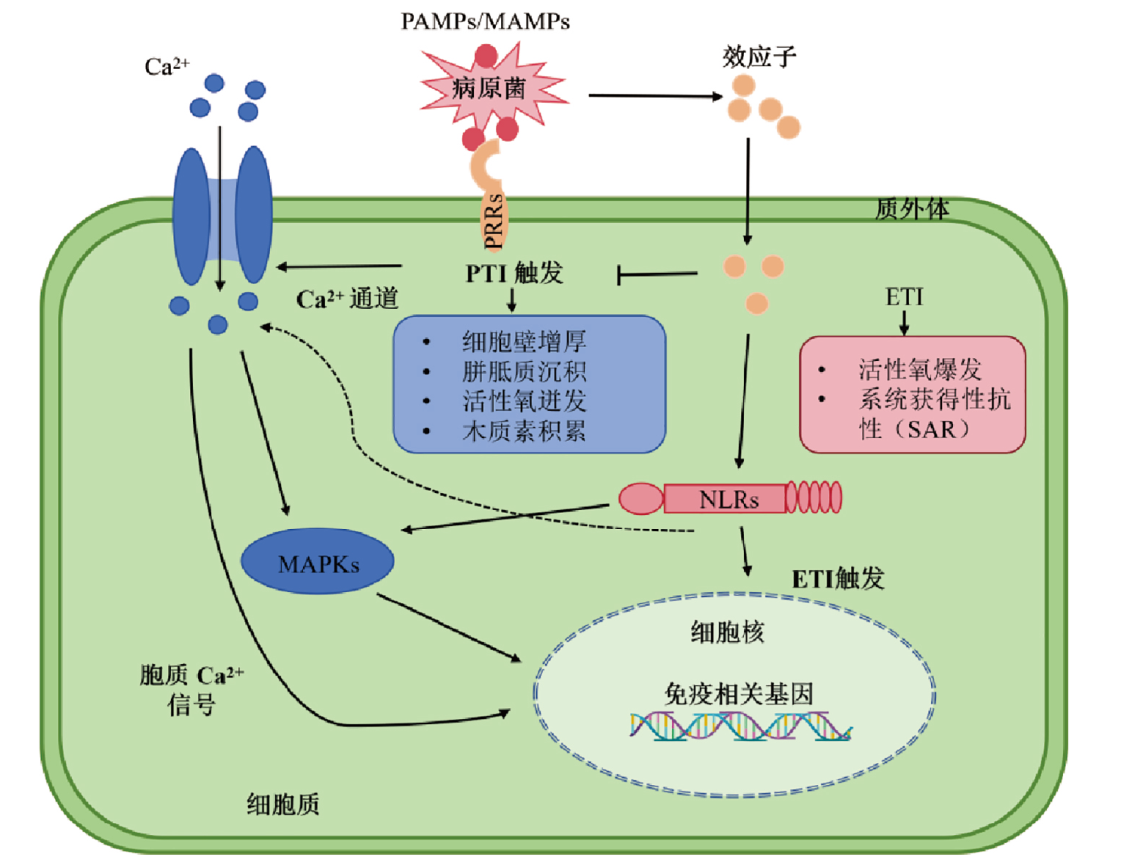
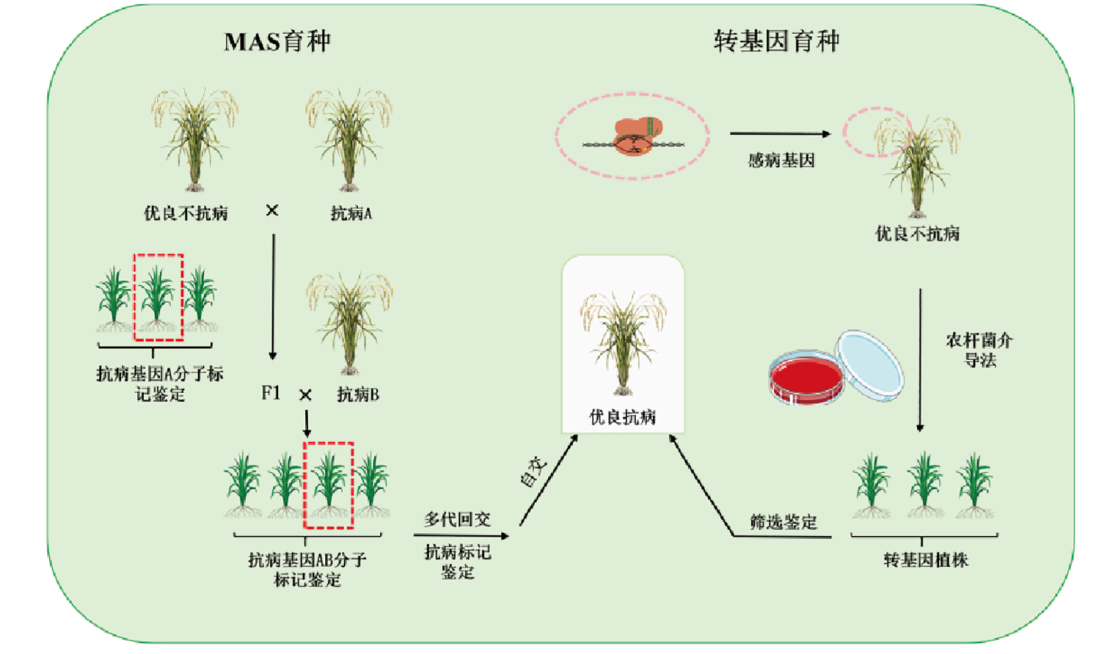
稻瘟病是威胁全球水稻安全生产的重大病害,可导致产量损失高达50%,素有“水稻癌症”之称。本研究系统综述了水稻抗稻瘟病的免疫机制、关键抗性基因功能及其在育种技术中的应用进展。水稻通过模式触发免疫(PTI)和效应因子触发免疫(ETI)构成的双层先天免疫系统抵御病原侵染,PTI依赖细胞膜受体识别病原保守分子,ETI则通过NLR类蛋白特异性识别效应子并触发强烈防御反应。目前已鉴定出超过146个抗稻瘟病R基因,其中部分基因(如Pi2、Pi9、Pigm等)具有广谱抗性,且多成簇分布于特定染色体区域。抗病机制还涉及转录因子(如WRKY、NAC、bZIP等)和植物激素(如水杨酸、茉莉酸、脱落酸)的协同调控。在育种方面,传统杂交与分子标记辅助选择(MAS)仍是主流手段,而CRISPR/Cas9等基因编辑技术为抗病性状的精准改良提供了新途径。然而,稻瘟病菌快速变异、抗性基因利用效率不高以及新技术应用壁垒仍是当前育种面临的主要挑战。未来应加强广谱抗性基因挖掘、多技术融合与智能育种,推动抗稻瘟病育种的可持续发展。
中图分类号:
肖宇, 崔永涛, 姚文豪, 关张权, 周婷, 沈汝彬, 张婷, 李小盛. 水稻抗稻瘟病育种研究进展[J]. 中国农学通报, 2026, 42(22): 145-153.
XIAO Yu, CUI Yongtao, YAO Wenhao, GUAN Zhangquan, ZHOU Ting, SHEN Rubin, ZHANG Ting, LI Xiaosheng. Advances in Rice Blast Resistance Breeding[J]. Chinese Agricultural Science Bulletin, 2026, 42(22): 145-153.
| [1] |
|
| [2] |
|
| [3] |
王占春, 钟桂涛, 张贝贝, 等. 水稻稻瘟病抗性基因研究进展[J]. 遗传, 2025, 47(5):533-545.
|
| [4] |
|
| [5] |
|
| [6] |
|
| [7] |
陈飞鹤, 张浩敏, 高玉珍, 等. 稻瘟病菌效应蛋白与水稻互作研究进展[J]. 福建农业学报, 2025, 40(4):425-432.
|
| [8] |
|
| [9] |
|
| [10] |
|
| [11] |
|
| [12] |
|
| [13] |
|
| [14] |
|
| [15] |
|
| [16] |
钱兰华, 张正怡, 朱正斌, 等. 水稻抗稻瘟病基因的作用机制及其在分子育种中的应用[J]. 植物资源与环境学报, 2025, 34(5):43-57.
|
| [17] |
|
| [18] |
|
| [19] |
|
| [20] |
|
| [21] |
梁金清, 刘剑镔, 瞿希, 等. 水稻广谱持久抗稻瘟病育种策略研究进展[J]. 杂交水稻, 2025, 40(5):1-12.
|
| [22] |
|
| [23] |
|
| [24] |
肖宁, 吴云雨, 王如意, 等. 水稻抗稻瘟病基因克隆及其育种应用研究进展[J]. 生命科学, 2025, 37(5):558-566.
|
| [25] |
|
| [26] |
|
| [27] |
|
| [28] |
|
| [29] |
|
| [30] |
|
| [31] |
|
| [32] |
|
| [33] |
|
| [34] |
|
| [35] |
|
| [36] |
|
| [37] |
|
| [38] |
毛洧, 陈学伟, 王静. 水稻抗稻瘟病机制的研究进展[J]. 中国科学:生命科学, 2022, 52(10):1495-1510.
|
| [39] |
|
| [40] |
|
| [41] |
|
| [42] |
|
| [43] |
|
| [44] |
朱晓颖, 王娜娜, 赵玉丹, 等. 转录因子OsEIL4正调控水稻抗稻瘟病和白叶枯病[J]. 植物病理学报, 2025, 55(1):45-54.
|
| [45] |
旷永洁, 柳浪, 严芳, 等. 水稻与病原物互作中植物激素功能的研究进展[J]. 生物技术通报, 2018, 34(2):74-86.
|
| [46] |
|
| [47] |
|
| [48] |
|
| [49] |
|
| [50] |
|
| [51] |
杨婕, 杨长登, 曾宇翔, 等. 水稻稻瘟病抗性基因挖掘与利用研究进展[J]. 中国水稻科学, 2024, 38(6):591-603.
|
| [52] |
马文东, 张云江, 宋诗宇, 等. 高产抗病水稻品种龙粳1624的选育[J]. 中国种业, 2025(9):151-155.
|
| [53] |
蔡娟, 黄海清, 王刚, 等. 抗稻瘟病优质强恢复系恩恢542的选育与应用[J]. 杂交水稻, 2025, 40(6):36-40.
|
| [54] |
|
| [55] |
孙富, 唐梅, 卢宏琮, 等. 抗稻瘟病水稻恢复系的分子标记辅助选育及抗性鉴定[J]. 南方农业学报, 2024, 55(4):1070-1078.
|
| [56] |
王志东, 王重荣, 陈宜波, 等. 部标一级优质稻双黄占的育成及创新--水稻核心种质育种实例[J]. 广东农业科学, 2021, 48(10): 60-68.
|
| [57] |
李孝琼, 陈颖, 韦宇, 等. 分子标记辅助选育抗褐飞虱和抗稻瘟病的水稻恢复系[J]. 西南农业学报, 2019, 32(5):952-958.
|
| [58] |
李彦豪, 段宜彤, 尹晓雨, 等. 利用CRISPR/Cas9技术创制抗稻瘟病水稻[J]. 农业生物技术学报, 2025, 33(12):2722-2730.
|
| [59] |
薛珊, 刘丽, 钟巧芳, 等. 以CRISPR/Cas9介导的定点基因编辑技术及其在水稻抗病育种中的应用[J/OL]. 分子植物育种,1-9[2025-11-30]. https://link.cnki.net/urlid/46.1068.s.20240516.0559.006.
|
| [60] |
陈静, 饶刚顺, 刘婉卿, 等. 稻瘟病抗性基因Pi2、Pita的特异KASP标记开发与应用[J]. 广东农业科学, 2024, 51(5):93-101.
|
| [1] | 高红霞, 刘阳, 孙荣宇, 俞志宏. 内蒙古兴安盟水稻成熟期霜冻灾害风险区划[J]. 中国农学通报, 2026, 42(9): 117-123. |
| [2] | 陆萍, 陈宇佳, 王站付, 张逸鸣, 蒋杭峰, 汪超凡, 张蓉, 邱韩英. 一次性基施新配比控释掺混尿素对水稻'南粳46'性状、产量及氮素利用的影响[J]. 中国农学通报, 2026, 42(8): 95-103. |
| [3] | 张洁, 邵文奇, 马洪波, 陈川, 章安康, 李传哲. 缓释氮肥对江苏水稻产量及肥料利用率的影响[J]. 中国农学通报, 2026, 42(8): 104-109. |
| [4] | 余林闯, 陈庆明, 陆云, 申关望, 祁玉良, 扶定, 余新春, 常幸远, 沈光辉. 93份水稻骨干亲本稻瘟病抗性基因分子初步鉴定及分析[J]. 中国农学通报, 2026, 42(8): 38-43. |
| [5] | 商小兰, 李丹, 方文英, 徐著, 王强, 陈照明. 机插同步侧深施肥对水稻产量和氮肥利用及土壤氮的影响[J]. 中国农学通报, 2026, 42(7): 1-7. |
| [6] | 文建川, 赖峥嵘, 吴虑, 阮玲丽, 吴必良, 梁平. 黔东南州稻瘟病发生风险等级气象预报[J]. 中国农学通报, 2026, 42(7): 171-175. |
| [7] | 杨可昕, 汪子怡, 李娅娟, 杨鑫云, 农成芬, 李成云, 王一. 全基因组分析稻瘟菌生防菌CY-1抑菌机制[J]. 中国农学通报, 2026, 42(3): 91-98. |
| [8] | 钟奇, 陈之皓, 熊艳, 杨俊, 贺晓鹏, 周大虎, 欧阳林娟, 陈亮, 贺浩华, 边建民. 江西双季稻区的不同水稻种植模式比较分析[J]. 中国农学通报, 2026, 42(21): 54-60. |
| [9] | 郭涛, 胡娟, 徐宏斌, 张莉, 李健伟, 王斌. 水稻农艺、品质性状与淀粉特性的关联分析及低GI候选品种筛选[J]. 中国农学通报, 2026, 42(21): 61-68. |
| [10] | 王婧婧, 卫磊嘉, 林槿, 袁佳琪, 陈丹, 房焕, 毕利东. 红壤区不同母质对水稻土干燥收缩特征影响的研究[J]. 中国农学通报, 2026, 42(20): 71-79. |
| [11] | 徐军辉, 陈丽妮, 黄芳, 连聪, 莫博程. 两种叶面阻控剂对稻米镉吸收累积的影响及健康风险评价[J]. 中国农学通报, 2026, 42(2): 113-119. |
| [12] | 蒋茂春, 陈勇, 袁驰, 曹厚明, 郑灵, 罗颖菡, 王钰潇, 杨瑶, 杨婷, 王海鹏. 水稻智能选育中数据库与人工智能技术的综合应用[J]. 中国农学通报, 2026, 42(18): 1-6. |
| [13] | 李堂, 李潜龙, 杜明, 方玉. 双单倍体技术在水稻育种中的应用进展[J]. 中国农学通报, 2026, 42(17): 1-10. |
| [14] | 赖晓凤, 孙靓雯, 李燕芳, 戴阳朔, 肖汉祥, 袁龙宇. 不同施硒水平影响水稻抗氧化和解毒作用的研究[J]. 中国农学通报, 2026, 42(17): 152-159. |
| [15] | 郑兴鑫, 李祖然, 段雨默, 陈玲, 曹力, 祖艳群. 水稻对镉吸收-迁移-分配的多层次互作网络及基因调控研究进展[J]. 中国农学通报, 2026, 42(15): 65-76. |
| 阅读次数 | ||||||
|
全文 |
|
|||||
|
摘要 |
|
|||||
