Welcome to Chinese Agricultural Science Bulletin,

Chinese Agricultural Science Bulletin ›› 2026, Vol. 42 ›› Issue (17): 121-130.doi: 10.11924/j.issn.1000-6850.casb2026-0427
Previous Articles Next Articles
YANG Wenbo( ), XIA Quan, XUE Yang, MA Jianing
Received:2026-05-25
Revised:2026-07-06
Online:2026-09-09
Published:2026-09-09
CLC Number:
YANG Wenbo, XIA Quan, XUE Yang, MA Jianing. Meteorological Response of Winter Wheat Yield and Near-future Scenario Projection in Main Production Areas of Tianshui, Gansu Based on AgERA5 and CMIP6[J]. Chinese Agricultural Science Bulletin, 2026, 42(17): 121-130.
Add to citation manager EndNote|Ris|BibTeX
URL: https://www.casb.org.cn/EN/10.11924/j.issn.1000-6850.casb2026-0427
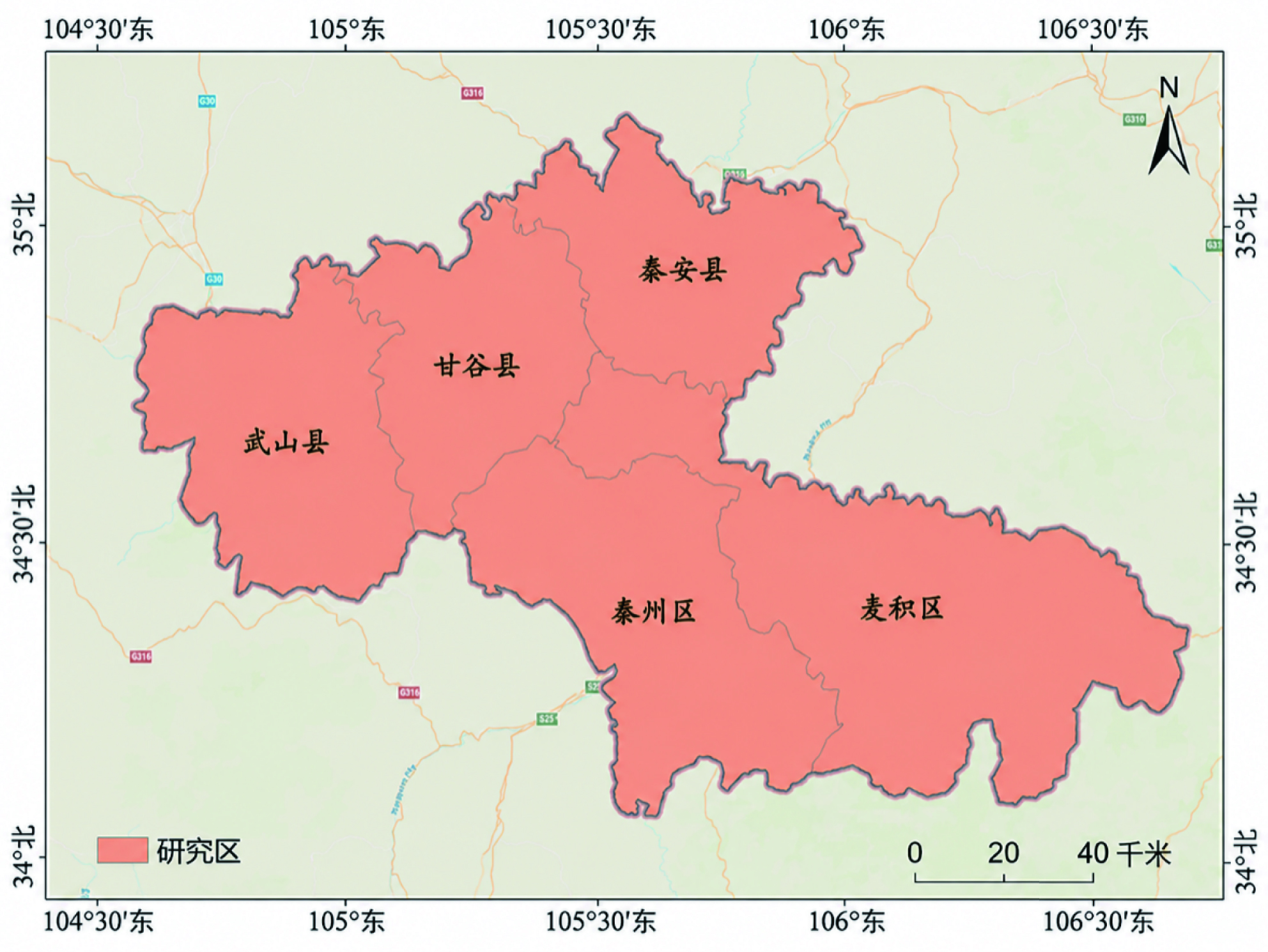
| 县区 | 样本数 | 平均单产/(t/hm2) | 最小值/(t/hm2) | 最大值/(t/hm2) | 平均面积/hm2 |
|---|---|---|---|---|---|
| 武山县 | 10 | 3.089 | 2.781 | 3.576 | 18992.5 |
| 甘谷县 | 10 | 3.120 | 2.512 | 4.990 | 10874.9 |
| 秦安县 | 10 | 2.745 | 2.556 | 2.971 | 19465.7 |
| 秦州区 | 10 | 3.085 | 2.717 | 3.537 | 28591.2 |
| 麦积区 | 10 | 3.019 | 2.457 | 3.894 | 27395.2 |
| 县区 | 样本数 | 平均单产/(t/hm2) | 最小值/(t/hm2) | 最大值/(t/hm2) | 平均面积/hm2 |
|---|---|---|---|---|---|
| 武山县 | 10 | 3.089 | 2.781 | 3.576 | 18992.5 |
| 甘谷县 | 10 | 3.120 | 2.512 | 4.990 | 10874.9 |
| 秦安县 | 10 | 2.745 | 2.556 | 2.971 | 19465.7 |
| 秦州区 | 10 | 3.085 | 2.717 | 3.537 | 28591.2 |
| 麦积区 | 10 | 3.019 | 2.457 | 3.894 | 27395.2 |
| 方法 | 气象指标 | 相关系数 | p值 | 显著性 |
|---|---|---|---|---|
| Pearson | 全生育期(10月—次年6月)日平均气温最大值 | -0.350 | 0.013 | * |
| Pearson | 灌浆成熟期(5—6月)日平均气温最大值 | -0.350 | 0.013 | * |
| Pearson | 全生育期(10月—次年6月)日最高气温最大值 | -0.260 | 0.068 | . |
| Spearman | 全生育期(10月—次年6月)日平均气温最大值 | -0.355 | 0.011 | * |
| Spearman | 灌浆成熟期(5—6月)日平均气温最大值 | -0.355 | 0.011 | * |
| Spearman | 返青拔节期(3—4月)日最高气温最小值 | -0.320 | 0.023 | * |
| Kendall | 全生育期(10月—次年6月)日平均气温最大值 | -0.252 | 0.010 | ** |
| Kendall | 灌浆成熟期(5—6月)日平均气温最大值 | -0.252 | 0.010 | ** |
| Kendall | 全生育期(10月—次年6月)日最高气温最大值 | -0.213 | 0.029 | * |
| 偏相关 | 全生育期(10月—次年6月)日平均气温最大值 | -0.370 | 0.008 | ** |
| 偏相关 | 灌浆成熟期(5—6月)日平均气温最大值 | -0.370 | 0.008 | ** |
| 偏相关 | 越冬期(11月—次年2月)日平均气温最大值 | 0.308 | 0.029 | * |
| 方法 | 气象指标 | 相关系数 | p值 | 显著性 |
|---|---|---|---|---|
| Pearson | 全生育期(10月—次年6月)日平均气温最大值 | -0.350 | 0.013 | * |
| Pearson | 灌浆成熟期(5—6月)日平均气温最大值 | -0.350 | 0.013 | * |
| Pearson | 全生育期(10月—次年6月)日最高气温最大值 | -0.260 | 0.068 | . |
| Spearman | 全生育期(10月—次年6月)日平均气温最大值 | -0.355 | 0.011 | * |
| Spearman | 灌浆成熟期(5—6月)日平均气温最大值 | -0.355 | 0.011 | * |
| Spearman | 返青拔节期(3—4月)日最高气温最小值 | -0.320 | 0.023 | * |
| Kendall | 全生育期(10月—次年6月)日平均气温最大值 | -0.252 | 0.010 | ** |
| Kendall | 灌浆成熟期(5—6月)日平均气温最大值 | -0.252 | 0.010 | ** |
| Kendall | 全生育期(10月—次年6月)日最高气温最大值 | -0.213 | 0.029 | * |
| 偏相关 | 全生育期(10月—次年6月)日平均气温最大值 | -0.370 | 0.008 | ** |
| 偏相关 | 灌浆成熟期(5—6月)日平均气温最大值 | -0.370 | 0.008 | ** |
| 偏相关 | 越冬期(11月—次年2月)日平均气温最大值 | 0.308 | 0.029 | * |
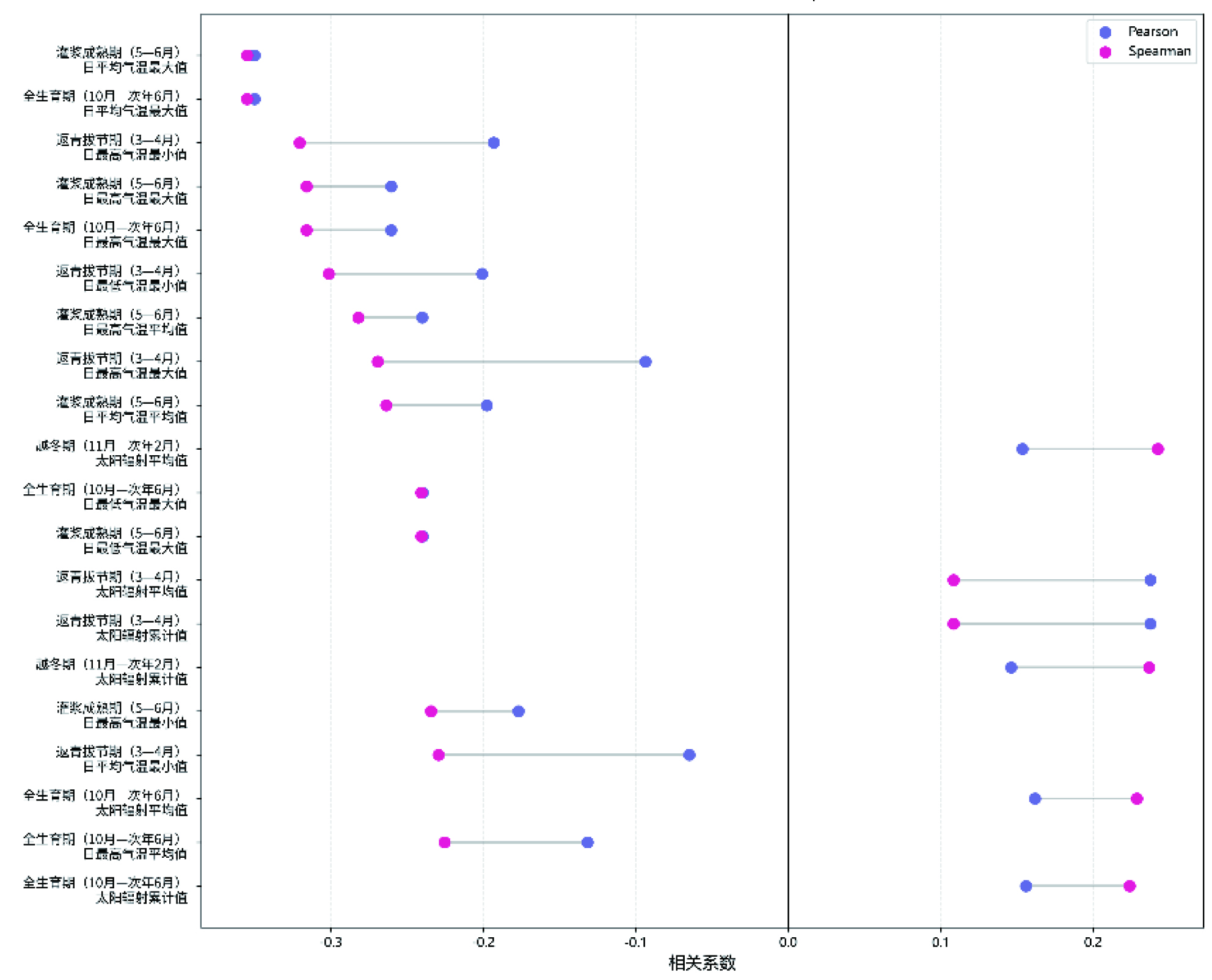
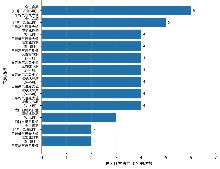
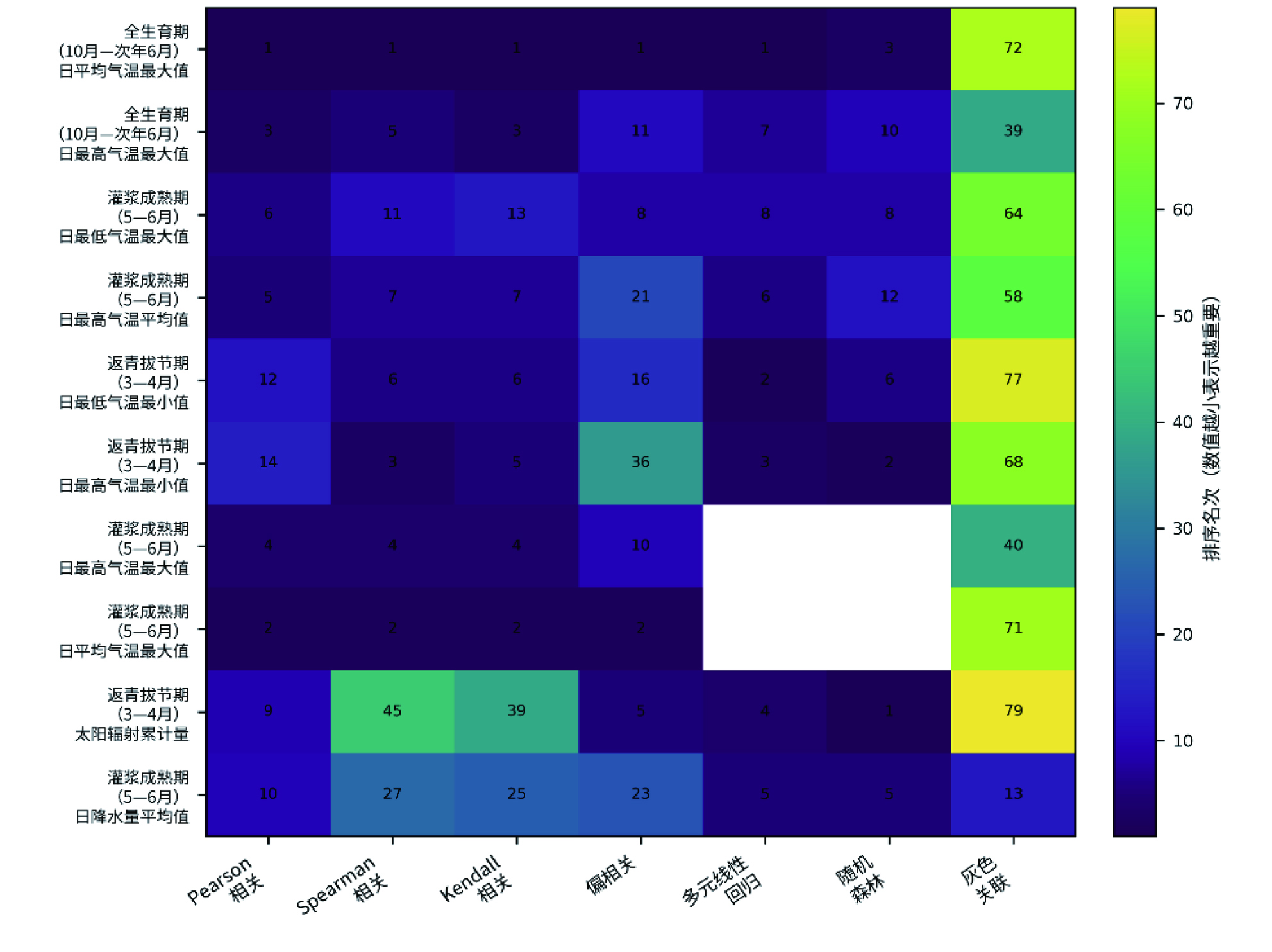
| 气象指标 | 进入前10次数 | 进入前15次数 | 平均排序 |
|---|---|---|---|
| 全生育期(10月—次年6月)日平均气温最大值 | 6 | 6 | 11.43 |
| 全生育期(10月—次年6月)日最高气温最大值 | 5 | 6 | 11.14 |
| 灌浆成熟期(5—6月)日最低气温最大值 | 4 | 6 | 16.86 |
| 灌浆成熟期(5—6月)日最高气温平均值 | 4 | 5 | 16.57 |
| 返青拔节期(3—4月)日最低气温最小值 | 4 | 5 | 17.86 |
| 返青拔节期(3—4月)日最高气温最小值 | 4 | 5 | 18.71 |
| 灌浆成熟期(5—6月)日最高气温最大值 | 4 | 4 | 12.40 |
| 灌浆成熟期(5—6月)日平均气温最大值 | 4 | 4 | 15.80 |
| 气象指标 | 进入前10次数 | 进入前15次数 | 平均排序 |
|---|---|---|---|
| 全生育期(10月—次年6月)日平均气温最大值 | 6 | 6 | 11.43 |
| 全生育期(10月—次年6月)日最高气温最大值 | 5 | 6 | 11.14 |
| 灌浆成熟期(5—6月)日最低气温最大值 | 4 | 6 | 16.86 |
| 灌浆成熟期(5—6月)日最高气温平均值 | 4 | 5 | 16.57 |
| 返青拔节期(3—4月)日最低气温最小值 | 4 | 5 | 17.86 |
| 返青拔节期(3—4月)日最高气温最小值 | 4 | 5 | 18.71 |
| 灌浆成熟期(5—6月)日最高气温最大值 | 4 | 4 | 12.40 |
| 灌浆成熟期(5—6月)日平均气温最大值 | 4 | 4 | 15.80 |

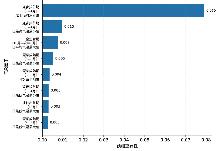
| 变量 | 重要性均值 | 重要性标准差 |
|---|---|---|
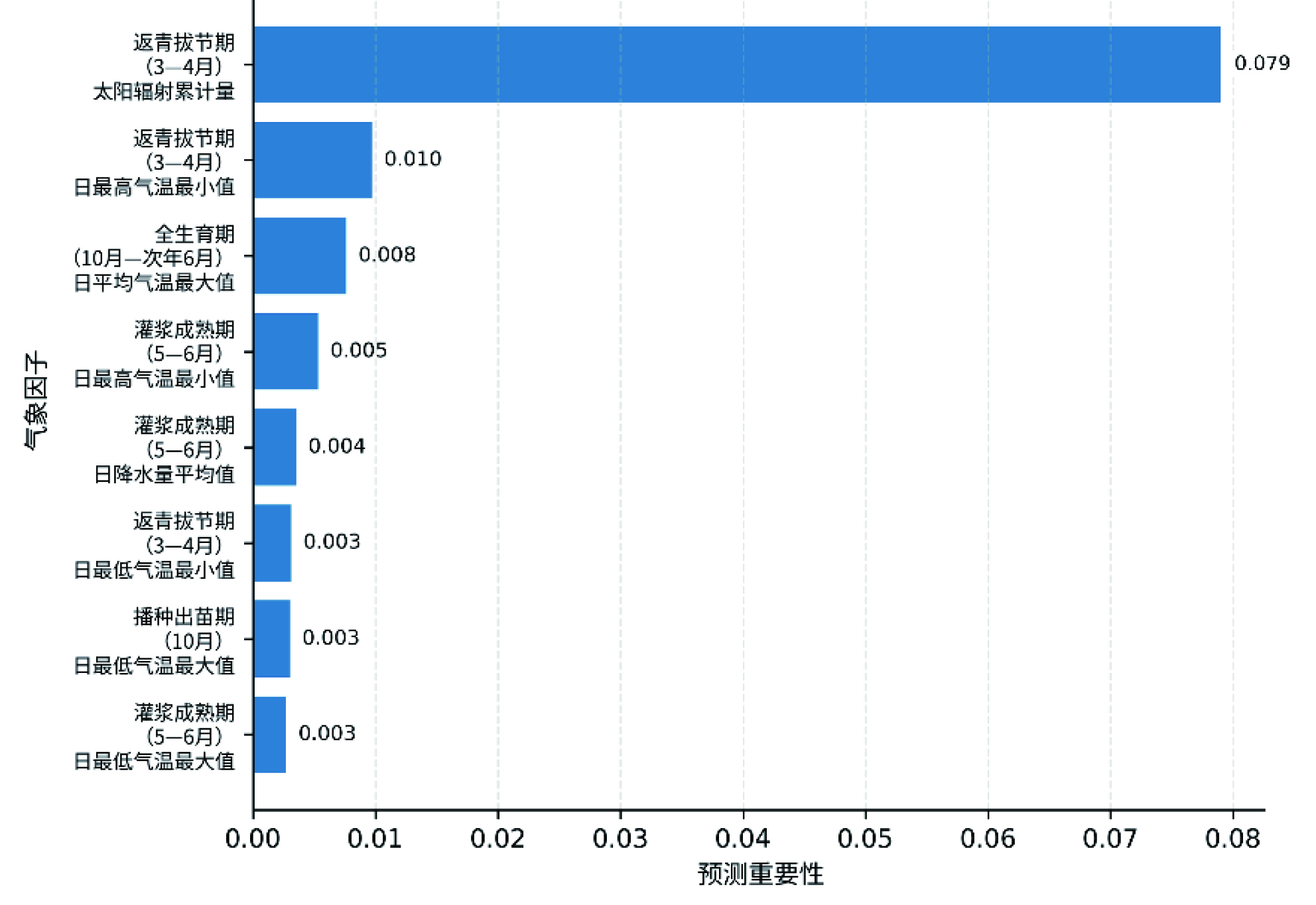
| 返青拔节期(3—4月)太阳辐射累计量 | 0.0790 | 0.0151 |
| 返青拔节期(3—4月)日最高气温最小值 | 0.0097 | 0.0036 |
| 全生育期(10月—次年6月)日平均气温最大值 | 0.0076 | 0.0025 |
| 灌浆成熟期(5—6月)日最高气温最小值 | 0.0053 | 0.0017 |
| 灌浆成熟期(5—6月)日降水量平均值 | 0.0035 | 0.0012 |
| 返青拔节期(3—4月)日最低气温最小值 | 0.0031 | 0.0014 |
| 播种出苗期(10月)日最低气温最大值 | 0.0030 | 0.0007 |
| 灌浆成熟期(5—6月)日最低气温最大值 | 0.0027 | 0.0008 |
| 变量 | 重要性均值 | 重要性标准差 |
|---|---|---|
| 返青拔节期(3—4月)太阳辐射累计量 | 0.0790 | 0.0151 |
| 返青拔节期(3—4月)日最高气温最小值 | 0.0097 | 0.0036 |
| 全生育期(10月—次年6月)日平均气温最大值 | 0.0076 | 0.0025 |
| 灌浆成熟期(5—6月)日最高气温最小值 | 0.0053 | 0.0017 |
| 灌浆成熟期(5—6月)日降水量平均值 | 0.0035 | 0.0012 |
| 返青拔节期(3—4月)日最低气温最小值 | 0.0031 | 0.0014 |
| 播种出苗期(10月)日最低气温最大值 | 0.0030 | 0.0007 |
| 灌浆成熟期(5—6月)日最低气温最大值 | 0.0027 | 0.0008 |


| 县区 | KNN均值 | KNN最小 | KNN最大 | RF均值 | RF最小 | RF最大 |
|---|---|---|---|---|---|---|
| 武山县 | 3.096 | 2.993 | 3.223 | 3.057 | 2.871 | 3.220 |
| 甘谷县 | 3.118 | 2.992 | 3.245 | 3.067 | 2.909 | 3.217 |
| 秦安县 | 2.921 | 2.864 | 2.965 | 2.829 | 2.732 | 2.942 |
| 秦州区 | 3.032 | 2.828 | 3.241 | 3.487 | 3.339 | 3.602 |
| 麦积区 | 3.012 | 2.865 | 3.184 | 3.259 | 3.159 | 3.370 |
| 县区 | KNN均值 | KNN最小 | KNN最大 | RF均值 | RF最小 | RF最大 |
|---|---|---|---|---|---|---|
| 武山县 | 3.096 | 2.993 | 3.223 | 3.057 | 2.871 | 3.220 |
| 甘谷县 | 3.118 | 2.992 | 3.245 | 3.067 | 2.909 | 3.217 |
| 秦安县 | 2.921 | 2.864 | 2.965 | 2.829 | 2.732 | 2.942 |
| 秦州区 | 3.032 | 2.828 | 3.241 | 3.487 | 3.339 | 3.602 |
| 麦积区 | 3.012 | 2.865 | 3.184 | 3.259 | 3.159 | 3.370 |
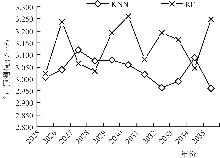
| 县区 | KNN 2025 | KNN 2030 | KNN 2035 | RF 2025 | RF 2030 | RF 2035 |
|---|---|---|---|---|---|---|
| 武山县 | 3.099 | 3.100 | 3.062 | 2.871 | 3.220 | 3.154 |
| 甘谷县 | 3.139 | 3.054 | 3.129 | 2.909 | 3.217 | 3.202 |
| 秦安县 | 2.924 | 2.949 | 2.921 | 2.732 | 2.927 | 2.914 |
| 秦州区 | 2.967 | 3.046 | 2.828 | 3.402 | 3.600 | 3.602 |
| 麦积区 | 2.900 | 3.139 | 2.865 | 3.202 | 3.337 | 3.370 |
| 县区 | KNN 2025 | KNN 2030 | KNN 2035 | RF 2025 | RF 2030 | RF 2035 |
|---|---|---|---|---|---|---|
| 武山县 | 3.099 | 3.100 | 3.062 | 2.871 | 3.220 | 3.154 |
| 甘谷县 | 3.139 | 3.054 | 3.129 | 2.909 | 3.217 | 3.202 |
| 秦安县 | 2.924 | 2.949 | 2.921 | 2.732 | 2.927 | 2.914 |
| 秦州区 | 2.967 | 3.046 | 2.828 | 3.402 | 3.600 | 3.602 |
| 麦积区 | 2.900 | 3.139 | 2.865 | 3.202 | 3.337 | 3.370 |
| [1] |
IPCC. Climate Change 2023: Synthesis report[M]. Geneva: Intergovernmental panel on climate change, 2023.
|
| [2] |
doi: 10.1016/j.eja.2023.127066 URL |
| [3] |
doi: 10.3389/fpls.2022.829580 URL |
| [4] |
|
| [5] |
徐亚楠, 吴玥, 柳斌辉, 等. 干热风对冬小麦不同穗粒位粒重的影响效应[J]. 中国农业气象, 2021, 42(7):583-595.
|
| [6] |
金丽惠, 杨海超, 王校益, 等. 增温背景下不同土壤对冬小麦产量品质影响评价[J]. 中国农业气象, 2024, 45(3):293-307.
|
| [7] |
陈佳俊, 史晓亮, 丁皓, 等. 基于DSSAT模型的关中地区冬小麦单产模拟及其影响因子[J]. 中国农业气象, 2023, 44(9):805-819.
|
| [8] |
王英楠. 基于随机森林的极端气候事件对黄淮海地区小麦产量的影响[J]. 地理科学研究, 2022, 11(3):372-385.
|
| [9] |
doi: 10.1038/s41597-022-01393-4 pmid: 35654862 |
| [10] |
doi: 10.1016/j.softx.2022.101267 URL |
| [11] |
doi: 10.3390/atmos16030263 URL |
| [12] |
张红妮, 李祥科, 张洪芬, 等. 陇东塬区春季气候变化对冬小麦产量的影响评估[J]. 中国农学通报, 2024, 40(11):78-83.
doi: 10.11924/j.issn.1000-6850.casb2023-0413 |
| [13] |
张诗祥, 马晓璐, 施红霞, 等. 甘肃省冬小麦干旱时空分布特征研究[J]. 气候变化研究快报, 2022, 11(6):943-956.
|
| [14] |
吴门新, 赵运成, 李祎君, 等. 2024年春季气象条件对农业生产的影响[J]. 中国农业气象, 2024, 45(8):938-941.
|
| [15] |
doi: 10.3390/agronomy14040839 URL |
| [1] | LI Ke, CHEN Geng, JIA Hong, SUN Xue. Characteristics of Grain Filling in Winter Wheat at Different Sowing Dates and Their Relationship with Meteorological Factors [J]. Chinese Agricultural Science Bulletin, 2026, 42(8): 165-173. |
| [2] | WEN Jianchuan, LAI Zhengrong, WU Lyu, RUAN Lingli, WU Biliang, LIANG Ping. Meteorological Forecast of Rice Blast Risk Level in Qiandongnan Prefecture [J]. Chinese Agricultural Science Bulletin, 2026, 42(7): 171-175. |
| [3] | WANG Jun, ZUO Xi, QIU Jingtao, YANG Wuguang, QIAN Chencheng. Differences Analysis of Agronomic Traits and Yield of Different Wheat Varieties Under Late-Sowing Conditions [J]. Chinese Agricultural Science Bulletin, 2026, 42(2): 25-31. |
| [4] | LI Yali, LU Guoliang, WU Zhenghu, GUO Fei, ZHANG Xisheng, LIU An. Effects of Different Amendments on Yield and Nutrient Uptake of Winter Wheat and Soil Nutrients [J]. Chinese Agricultural Science Bulletin, 2026, 42(2): 128-132. |
| [5] | LIU Xuefeng, XIN Haifeng, HUANG Yadong, WANG Hongmei, LYU Jilong, LI Pingfang. Screening of 60 Winter Wheat Varieties in Huanghuaihai Wheat Region Based on Principal Component and Cluster Analysis [J]. Chinese Agricultural Science Bulletin, 2026, 42(17): 11-22. |
| [6] | SUN Xiangwei, LIU Jia, WANG Min, HONG Ruiqi, CHEN Xiaoping, GAO Feixiang. Construction of Oil Sunflower Yield Model Based on Meteorological Factors [J]. Chinese Agricultural Science Bulletin, 2026, 42(14): 84-89. |
| [7] | LIU Guizhen, CHEN Peng, ZHANG Guangxiu, ZHANG Liusheng, ZHANG Xiangfen, LIU Haijing, ZHOU Ning. Evaluation of New Summer Maize Varieties with High and Stable Yield in Henan Province and Research on Factors Affecting Yield [J]. Chinese Agricultural Science Bulletin, 2026, 42(13): 12-21. |
| [8] | LIU Yingxia, GUO Haiyang, GUO Chunhui, GAO Junjie, ZHU Huaiwei, HUANG Tianwen. Evaluation of Suitable Sowing Date of Late Rice Based on Climate Suitability Model: A Case Study of Zhaoqing, Guangdong [J]. Chinese Agricultural Science Bulletin, 2026, 42(13): 161-169. |
| [9] | GONG Jia, WU Fang, ZHANG Ziqiang, YUAN Changhong. Forecast Model for Full-Bloom Stage of Rapeseed Based on Random Forest Algorithm [J]. Chinese Agricultural Science Bulletin, 2026, 42(12): 23-28. |
| [10] | ZHANG Fangli, CHEN Xin, ZHANG Runhua, MENG Cuili, LIU Kequn, GONG Linxin, HUANG Xingxue, ZHOU Guolin, LI Yiyang. Regional Quality Differences of Hongshan Vegetable Shoots and Response Characteristics of Key Meteorological Factors [J]. Chinese Agricultural Science Bulletin, 2026, 42(12): 127-135. |
| [11] | TIAN Cuiling, TIAN Jialiang. Effect of Spraying Alginate Enhancing Solution at Different Growth Stages on Photosynthetic Characteristics and Yield of Winter Wheat [J]. Chinese Agricultural Science Bulletin, 2025, 41(9): 25-31. |
| [12] | XIA Yan, LIU Kaiwen, YE Pei, DENG Yanjun, XIAO Xiao, GENG Yifeng, WU Qixia. Study on Meteorological Suitability of Winter Wheat in Jianghan Plain Based on Optimized Sowing Date [J]. Chinese Agricultural Science Bulletin, 2025, 41(4): 102-107. |
| [13] | FAN Peng, WANG Guobing, YANG Jianbo, WANG Lei, YANG Xihui, YANG Qingwei. Characteristics of Yield Ratios of Winter Wheat and Summer Maize Cultivated Land in Henan and Their Relationship with Cultivated Land Grade and Terrain [J]. Chinese Agricultural Science Bulletin, 2025, 41(36): 108-118. |
| [14] | HU Juan, GUO Tao, XU Hongbin, HAO Rui, WANG Bin. Effect of Meteorological Factors on Population Quantity of Macrosiphum Avenae [J]. Chinese Agricultural Science Bulletin, 2025, 41(33): 88-95. |
| [15] | JIA Yuanyuan, WANG Ying, XIA Junbo, TIAN Xin, LI Haibo, GONG Zihui, LI Lu. Effects of Sowing Date Adjustment on Maize Yield and Meteorological Adaptability in Hohhot City [J]. Chinese Agricultural Science Bulletin, 2025, 41(32): 95-101. |
| Viewed | ||||||
|
Full text |
|
|||||
|
Abstract |
|
|||||
