欢迎访问《中国农学通报》,

中国农学通报 ›› 2026, Vol. 42 ›› Issue (21): 120-131.doi: 10.11924/j.issn.1000-6850.casb2025-0961
何智宏1( ), 李京璟1, 何丽霞1(), 徐晶晶1, 张晶晶1, 杨国州1, 李睿1, 瞿丹1, 刘子昕1, 唐小亚1, 高斌斌1, 赵萍1, 杨育川2
收稿日期:2025-12-02
修回日期:2026-03-20
出版日期:2026-11-10
发布日期:2026-11-10
通讯作者:
作者简介:何智宏,女,1988年出生,甘肃定西人,硕士,研究方向:林木遗传育种。通信地址:730046 甘肃省兰州市城关区枣树沟9号 甘肃省林业科技推广站,Tel:0931-8342845,E-mail:912146494@qq.com。
基金资助:
HE Zhihong1(), LI Jingjing1, HE Lixia1(), XU Jingjing1, ZHANG Jingjing1, YANG Guozhou1, LI Rui1, QU Dan1, LIU Zixin1, TANG Xiaoya1, GAO Binbin1, ZHAO Ping1, YANG Yuchuan2
Received:2025-12-02
Revised:2026-03-20
Published:2026-11-10
Online:2026-11-10
摘要:
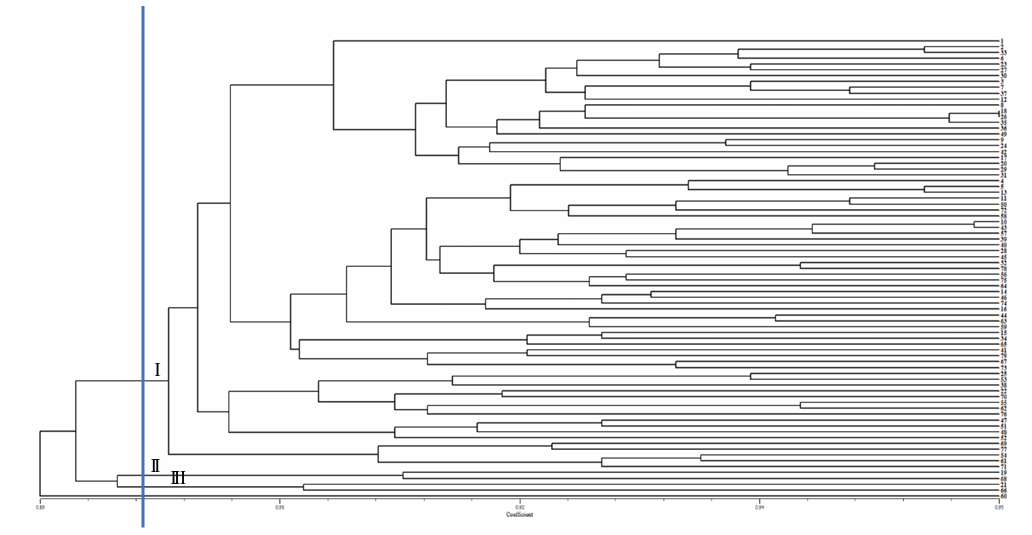
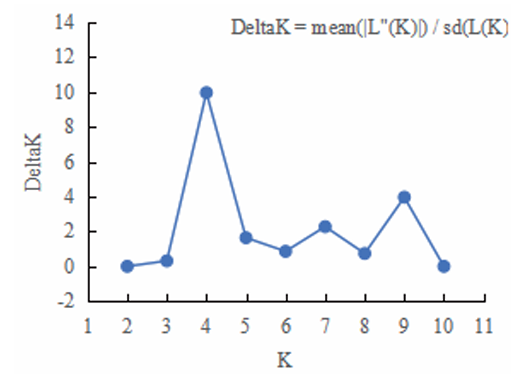
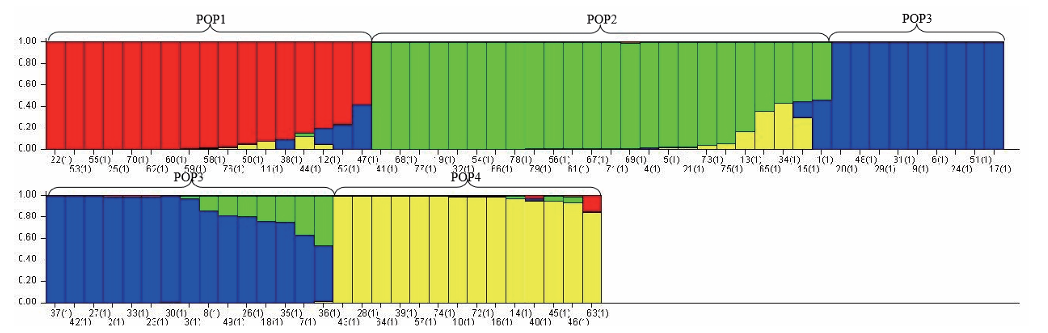
为探究牡丹种质资源的遗传多样性并挖掘与关键观赏性状相关联的分子标记,本研究以79份牡丹野生种质及栽培品种为试材,采用30对SSR分子标记进行全基因组扫描,系统评估其遗传多样性、群体遗传结构,并开展观赏性状的全基因组关联分析。结果表明,30对SSR标记共检测出869个等位变异,变化范围为13~49个,基因多样性指数变化幅度为0.7182~0.9462,平均值为0.8737,多态性信息含量(PIC)变化幅度为0.7047~0.9436,遗传相似系数(GS)变异范围为0.3583~0.9500,平均值为0.6542,表明供试群体具有高度遗传异质性;基于遗传距离的聚类分析与群体遗传结构分析均将种质资源划分为4个遗传类群,揭示其显著的亚群分化特征;根据广义线性模型(GLM)关联分析,发现13个标记与植株株形、当年生枝长度、花型、雌蕊数量等10个表型性状极显著相关联(P<0.01),表型变异解释率介于0.3735~0.7254,其中,解释率最大的标记是Ps067,为0.7254,与雄蕊花药颜色相关;解释率最小的标记是Ps029,为0.3735,与雌蕊数量相关。本研究首次开展了牡丹野生种与栽培品种表型性状与分子标记的关联分析,发现了13个分子标记与10个牡丹表型性状极显著相关联,可为杂交亲本选配、等位基因挖掘及分子标记辅助育种提供理论支持,助力观赏特性牡丹新品种的定向培育。
中图分类号:
何智宏, 李京璟, 何丽霞, 徐晶晶, 张晶晶, 杨国州, 李睿, 瞿丹, 刘子昕, 唐小亚, 高斌斌, 赵萍, 杨育川. 牡丹种质资源SSR分子标记遗传多样性及其表型性状关联分析[J]. 中国农学通报, 2026, 42(21): 120-131.
HE Zhihong, LI Jingjing, HE Lixia, XU Jingjing, ZHANG Jingjing, YANG Guozhou, LI Rui, QU Dan, LIU Zixin, TANG Xiaoya, GAO Binbin, ZHAO Ping, YANG Yuchuan. Genetic Diversity of Tree Peony Germplasm Resources Based on SSR Markers and Association Analysis of Phenotypic Traits[J]. Chinese Agricultural Science Bulletin, 2026, 42(21): 120-131.
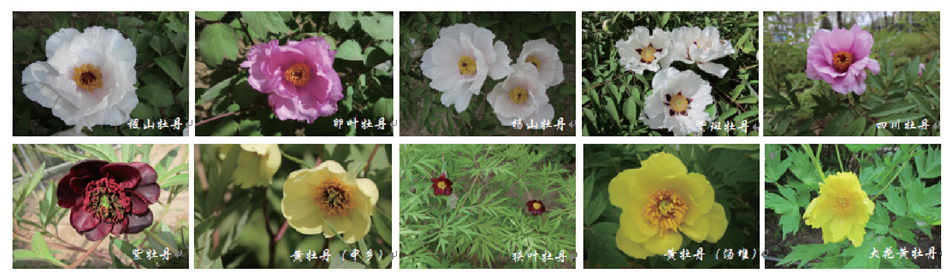
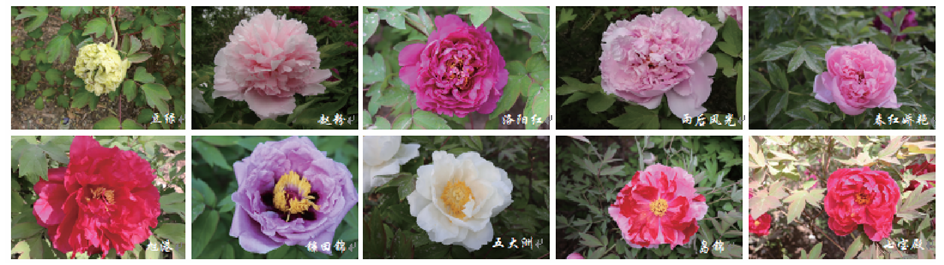
| 编号 | 牡丹材料 | 引种地或来源地 | 类型 | 编号 | 牡丹材料 | 引种地或来源地 | 类型 |
|---|---|---|---|---|---|---|---|
| 1 | 紫斑牡丹(文县居群) | 甘肃文县 | 野生种 | 41 | ‘黄水晶’ | 甘肃兰州 | 新品种 |
| 2 | 大花黄牡丹 | 西藏米林县 | 野生种 | 42 | ‘靓妆’ | 甘肃兰州 | 新品种 |
| 3 | 杨山牡丹 | 河南嵩县 | 野生种 | 43 | ‘杈紫嫣红’ | 甘肃兰州 | 新品种 |
| 4 | 黄牡丹(格咱居群) | 云南中甸县 | 野生种 | 44 | ‘洮玉’ | 甘肃兰州 | 新品种 |
| 5 | 黄牡丹(中乡居群) | 云南中甸县 | 野生种 | 45 | ‘云鄂粉’ | 甘肃兰州 | 新品种 |
| 6 | 狭叶牡丹 | 四川雅江县 | 野生种 | 46 | ‘金墨相映’ | 甘肃兰州 | 新品种 |
| 7 | 紫牡丹(玉龙雪山居群) | 云南丽江市 | 野生种 | 47 | ‘甘林黄’ | 甘肃兰州 | 新品种 |
| 8 | 紫斑牡丹(保康居群) | 湖北保康县 | 野生种 | 48 | ‘娇艳’ | 甘肃兰州 | 新品种 |
| 9 | 稷山牡丹 | 山西稷山县 | 野生种 | 49 | ‘粉脂绣球’ | 甘肃兰州 | 新品种 |
| 10 | 黄牡丹(哈拉居群) | 云南中甸县 | 野生种 | 50 | ‘陇原风采’ | 甘肃兰州 | 新品种 |
| 11 | 黄牡丹(林芝居群) | 西藏林芝县 | 野生种 | 51 | ‘洮绢’ | 甘肃兰州 | 新品种 |
| 12 | 紫斑牡丹(舟曲居群) | 甘肃舟曲县 | 野生种 | 52 | ‘凤楼’ | 甘肃兰州 | 新品种 |
| 13 | 黄牡丹(明永冰川居群) | 云南德钦县 | 野生种 | 53 | ‘玉龙双艳’ | 甘肃兰州 | 新品种 |
| 14 | 紫斑牡丹(成县) | 甘肃成县 | 野生种 | 54 | ‘波心’ | 甘肃兰州 | 新品种 |
| 15 | 卵叶牡丹(神农架居群) | 湖北神农架林区 | 野生种 | 55 | ‘紫荷韵’ | 甘肃兰州 | 新品种 |
| 16 | 四川牡丹(迭部居群) | 甘肃迭部县 | 野生种 | 56 | ‘红荷韵’ | 甘肃兰州 | 新品种 |
| 17 | ‘银粉金鳞’ | 河南洛阳 | 中原牡丹品种 | 57 | ‘紫韵轮回’ | 甘肃兰州 | 新品种 |
| 18 | ‘五洲红’ | 河南洛阳 | 中原牡丹品种 | 58 | ‘紫珊瑚’ | 甘肃兰州 | 新品种 |
| 19 | ‘豆绿’ | 河南洛阳 | 中原牡丹品种 | 59 | ‘余霞散绮’ | 甘肃兰州 | 新品种 |
| 20 | ‘赵粉’ | 河南洛阳 | 中原牡丹品种 | 60 | ‘金樽’ | 甘肃兰州 | 新品种 |
| 21 | ‘洛阳红’ | 河南洛阳 | 中原牡丹品种 | 61 | ‘丝路花语’ | 甘肃兰州 | 新品种 |
| 22 | ‘盛丹炉’ | 河南洛阳 | 中原牡丹品种 | 62 | ‘紫云雀’ | 甘肃兰州 | 新品种 |
| 23 | ‘木兰换装’ | 山东菏泽 | 中原牡丹品种 | 63 | ‘皎洁’ | 甘肃兰州 | 新品种 |
| 24 | ‘墨润绝伦’ | 山东菏泽 | 中原牡丹品种 | 64 | ‘小叶丽堇’ | 甘肃兰州 | 新品种 |
| 25 | ‘迎日红’ | 山东菏泽 | 中原牡丹品种 | 65 | ‘桃绫’ | 甘肃兰州 | 新品种 |
| 26 | ‘锦绣球’ | 山东菏泽 | 中原牡丹品种 | 66 | ‘绉罗裙’ | 甘肃兰州 | 新品种 |
| 27 | ‘蝶恋花’ | 山东菏泽 | 中原牡丹品种 | 67 | ‘棕斑紫罗兰’ | 甘肃兰州 | 新品种 |
| 28 | ‘花王’ | 河南洛阳 | 国外牡丹品种 | 68 | ‘桃夭’ | 甘肃兰州 | 新品种 |
| 29 | ‘雨后风光’ | 山东菏泽 | 中原牡丹品种 | 69 | ‘甘二乔’ | 甘肃兰州 | 新品种 |
| 30 | ‘春红娇艳’ | 山东菏泽 | 中原牡丹品种 | 70 | ‘白蝶’ | 甘肃兰州 | 新品种 |
| 31 | ‘贵妃插翠’ | 山东菏泽 | 中原牡丹品种 | 71 | ‘甘林4号’ | 甘肃兰州 | 新品种 |
| 32 | ‘旭港’ | 河南洛阳 | 国外牡丹品种 | 72 | ‘粉面桃花’ | 甘肃兰州 | 新品种 |
| 33 | ‘七宝殿’ | 河南洛阳 | 国外牡丹品种 | 73 | ‘包容’ | 甘肃兰州 | 新品种 |
| 34 | ‘五大洲’ | 河南洛阳 | 国外牡丹品种 | 74 | ‘紫金闪耀’ | 甘肃兰州 | 新品种 |
| 35 | ‘魏花’ | 河南洛阳 | 中原牡丹品种 | 75 | ‘淡然’ | 甘肃兰州 | 新品种 |
| 36 | ‘岛锦’ | 河南洛阳 | 国外牡丹品种 | 76 | ‘紫锦缎’ | 甘肃兰州 | 新品种 |
| 37 | ‘镰田锦’ | 河南洛阳 | 国外牡丹品种 | 77 | ‘红袖’ | 甘肃兰州 | 新品种 |
| 38 | ‘落日熔金’ | 甘肃兰州 | 新品种 | 78 | ‘天鹅绒’ | 甘肃兰州 | 新品种 |
| 39 | ‘旭日红楼’ | 甘肃兰州 | 新品种 | 79 | ‘丹心’ | 甘肃兰州 | 新品种 |
| 40 | ‘梦幻’ | 甘肃兰州 | 新品种 |
| SSR标记 | 正向引物序列 | 反向引物序列 |
|---|---|---|
| Ps001 | TCGGTGACCTGGCTGTTG | CCCTCCTCCCACTTTGTT |
| Ps003 | GCAAAGACAACAGCCTCG | CTCACCATCCAATCCCAC |
| Ps004 | AGTCGCCTCCTACACCTC | TCCGTAAAGCCCACAATAC |
| Ps005 | ATGTCCAAACTGGCAATA | CCCTCCCTCAACACTTAC |
| Ps006 | TGACCACAAGAAGCCAACT | AGGAAGCGACGAGAAACT |
| Ps008 | CGGCAAAACAAAGAGGAT | ATGGGAGCGTAAGGAACATG |
| Ps009 | GTGCTTAGCCTCTAATCTG | CTTTGCTCCAAGTCTGTC |
| Ps012 | TTTTATGGGTCCTGTTGC | GAAGAGTAAGCCTTTGTCG |
| Ps015 | CCCATGATGATTTTCAATTCCTA | AGGTCACATATACTTGCTCAGCC |
| Ps016 | CCCATGATGATTTTCAATTCCTA | CCCAAGATAAAAGAGAAAAGGTCA |
| Ps022 | CGCCAAATAAAAGTCTAAAACCC | GGGTTTAATTTGAGGAGATGGAG |
| Ps023 | ACTTTCTCCGCTGAAGCAGTTA | CTTGGAAGGGTAGCGGTATTATT |
| Ps024 | GAAGAAGAAGGAGACCTACACCC | CCTCAATCCACAGATTCAAACTT |
| Ps025 | CCATGCCTCTATTCATCTCTCAA | TTGCTTCGTCAAGGAAATTACAG |
| Ps029 | CAATCATCAAACCCTTACTTCCA | AGAAGAATCTGAAAGGGATTTGC |
| Ps030 | TTTACAATCTCGGTAGGTTGGTG | CGAGAGGAAAAATGATCTTCGAT |
| Ps031 | GGAATGGCGGCAACT | TGGCAATACTACTGGACAGG |
| Ps047 | CTGCCATTTCTTGCCTTCTTTGT | TCTACCCTGCCAACAGCACATAC |
| Ps049 | CTCCTGTGCAAGATAACATCCTC | GACAACACTCTGGACTCCATCTT |
| Ps051 | CCCATGATGATTTTCAATTCCTA | AGGTCACATATACTTGCTCAGCC |
| Ps053 | CCCATGATGATTTTCAATTCCTA | CCCAAGATAAAAGAGAAAAGGTCA |
| Ps058 | ACTTTCTCCGCTGAAGCAGTTA | CTTGGAAGGGTAGCGGTATTATT |
| Ps059 | GAAGAAGAAGGAGACCTACACCC | CCTCAATCCACAGATTCAAACTT |
| Ps061 | TTGGGTGTTTTTGAGGCATATAG | CACACAGTATCAAACACCTGCTG |
| Ps063 | CCACCAAACCAAACAACAATTAC | ATTACTCGCTGCAGACGTTAGTT |
| Ps067 | CAATCATCAAACCCTTACTTCCA | AGAAGAATCTGAAAGGGATTTGC |
| Ps068 | TTTACAATCTCGGTAGGTTGGTG | CGAGAGGAAAAATGATCTTCGAT |
| Ps071 | GAGACCACCGAGTCACAG | TCAGAGCATGTCCGAAAC |
| Ps074 | CTCCACCCGTATCACTCATC | CGTCTCCTCCATCAACCT |
| Ps080 | CTGCCATTTCTTGCCTTCTTTGT | TCTACCCTGCCAACAGCACATAC |
| 标记 | 基因型数目 | 等位基因数目 | 基因多样性指数 | 杂合度 | 多态性信息含量指数 |
|---|---|---|---|---|---|
| Ps001 | 42.0000 | 36.0000 | 0.9311 | 0.2025 | 0.9278 |
| Ps003 | 27.0000 | 26.0000 | 0.9462 | 0.0127 | 0.9436 |
| Ps004 | 31.0000 | 27.0000 | 0.9356 | 0.1519 | 0.9320 |
| Ps005 | 21.0000 | 14.0000 | 0.8486 | 0.1646 | 0.8320 |
| Ps006 | 17.0000 | 17.0000 | 0.8949 | 0.0506 | 0.8856 |
| Ps008 | 32.0000 | 29.0000 | 0.8493 | 0.1392 | 0.8405 |
| Ps009 | 39.0000 | 32.0000 | 0.9257 | 0.2152 | 0.9213 |
| Ps012 | 19.0000 | 16.0000 | 0.8027 | 0.0759 | 0.7801 |
| Ps015 | 31.0000 | 28.0000 | 0.9292 | 0.0759 | 0.9251 |
| Ps016 | 27.0000 | 24.0000 | 0.8520 | 0.0759 | 0.8422 |
| Ps022 | 36.0000 | 28.0000 | 0.9164 | 0.2405 | 0.9109 |
| Ps023 | 21.0000 | 15.0000 | 0.7182 | 0.1139 | 0.7047 |
| Ps024 | 21.0000 | 17.0000 | 0.7778 | 0.1139 | 0.7531 |
| Ps025 | 20.0000 | 14.0000 | 0.8301 | 0.1266 | 0.8116 |
| Ps029 | 16.0000 | 15.0000 | 0.7430 | 0.0506 | 0.7075 |
| Ps030 | 30.0000 | 23.0000 | 0.9138 | 0.1392 | 0.9075 |
| Ps031 | 49.0000 | 31.0000 | 0.9232 | 0.5570 | 0.9187 |
| Ps047 | 24.0000 | 16.0000 | 0.8542 | 0.2532 | 0.8386 |
| Ps049 | 27.0000 | 17.0000 | 0.8398 | 0.3038 | 0.8239 |
| Ps051 | 23.0000 | 14.0000 | 0.8875 | 0.2532 | 0.8770 |
| Ps053 | 23.0000 | 19.0000 | 0.8137 | 0.0886 | 0.8004 |
| Ps058 | 42.0000 | 24.0000 | 0.9337 | 0.3797 | 0.9299 |
| Ps059 | 26.0000 | 17.0000 | 0.8722 | 0.2405 | 0.8599 |
| Ps061 | 38.0000 | 24.0000 | 0.9166 | 0.3671 | 0.9108 |
| Ps063 | 37.0000 | 24.0000 | 0.8908 | 0.2911 | 0.8840 |
| Ps067 | 38.0000 | 29.0000 | 0.9382 | 0.1519 | 0.9353 |
| Ps068 | 38.0000 | 27.0000 | 0.9306 | 0.3165 | 0.9265 |
| Ps071 | 25.0000 | 23.0000 | 0.9211 | 0.0633 | 0.9160 |
| Ps074 | 13.0000 | 10.0000 | 0.7665 | 0.0506 | 0.7434 |
| Ps080 | 36.0000 | 21.0000 | 0.9075 | 0.3797 | 0.9008 |
| Mean | 28.9667 | 21.9000 | 0.8737 | 0.1882 | 0.8630 |
| 标记 | 植株株形 | 当年生 枝长度 | 2年生 枝花枝数 | 花枝侧花数 | 花型 | 雄蕊瓣化瓣 | 雄蕊花丝 主色 | 雄蕊花药 颜色 | 雌蕊数量 | 雌蕊花盘 质地 |
|---|---|---|---|---|---|---|---|---|---|---|
| Ps016 | 0.5385 | |||||||||
| Ps023 | 0.4468 | |||||||||
| Ps071 | 0.4606 | |||||||||
| Ps059 | 0.5106 | |||||||||
| Ps003 | 0.5136 | |||||||||
| Ps049 | 0.7117 | 0.6071 | ||||||||
| Ps006 | 0.427 | 0.3757 | ||||||||
| Ps080 | 0.6943 | 0.7086 | ||||||||
| Ps008 | 0.6742 | |||||||||
| Ps067 | 0.7254 | |||||||||
| Ps025 | 0.4637 | |||||||||
| Ps029 | 0.3735 | |||||||||
| Ps053 | 0.45 |
| [1] |
李嘉珏. 中国牡丹品种图志(西北、西南、江南卷)[M]. 北京: 中国林业出版社,2006:1-42.
|
| [2] |
|
| [3] |
杨坤梅, 杨璧嘉, 胡梦露, 等. 不同地域来源牡丹的亲缘关系分析[J]. 西北农林科技大学学报:自然科学版, 2023, 51(2):118-127.
|
| [4] |
|
| [5] |
doi: 10.1101/gad.14.10.1261 URL |
| [6] |
钟原, 成仿云, 吴静. 牡丹(Paeonia sect. Moutan)分子标记研究进展[J]. 分子植物育种, 2016, 14(6):1559-1567.
|
| [7] |
陈赢男, 韦素云, 曲冠正, 等. 现代林木育种关键核心技术研究现状与展望[J]. 南京林业大学学报:自然科学版, 2022, 46(6):1-9.
|
| [8] |
doi: 10.1007/s00299-011-1164-1 pmid: 21987120 |
| [9] |
李莹莹. 基于CDDP标记的牡丹遗传多样性分析及分子身份证构建[D]. 泰安: 山东农业大学,2013:1-103.
|
| [10] |
doi: 10.1371/journal.pone.0034955 URL |
| [11] |
任秀霞, 张盈, 薛璟祺, 等. 滇牡丹天然居群的遗传多样性分析[J]. 植物遗传资源学报, 2015, 16(4):772-780.
doi: 10.13430/j.cnki.jpgr.2015.04.014 |
| [12] |
doi: 10.1007/s11032-014-0144-x URL |
| [13] |
张旻桓, 姚奕平, 黄宇, 等. 基于SSR标记的江南牡丹品种群遗传多样性及亲缘关系[J]. 中南林业科技大学学报, 2023, 43(1):164-172.
|
| [14] |
赖勇, 王鹏喜, 范贵强, 等. 大麦SSR标记遗传多样性及其与农艺性状关联分析[J]. 中国农业科学, 2013, 46(2):233-242.
|
| [15] |
doi: 10.1007/s00122-013-2257-8 pmid: 24408378 |
| [16] |
doi: 10.1186/s12870-014-0311-6 URL |
| [17] |
doi: 10.1007/s00122-014-2435-3 pmid: 25490985 |
| [18] |
doi: 10.1111/nph.12072 pmid: 23278184 |
| [19] |
doi: 10.1186/s12870-015-0499-0 URL |
| [20] |
江锡兵, 汤丹, 龚榜初, 等. 基于SSR标记的板栗地方品种遗传多样性与关联分析[J]. 园艺学报, 2015, 42(12):2478-2488.
doi: 10.16420/j.issn.0513-353x.2015-0484 |
| [21] |
彭芳芳, 龙治坚, 魏召新, 等. 樱桃种质SCoT分子标记与叶片表型性状关联分析[J]. 园艺学报, 2021, 48(2):325-335.
doi: 10.16420/j.issn.0513-353x.2020-0262 |
| [22] |
刘慧民, 朱玉涛, 车代弟, 等. 绣线菊18份材料观赏性状与RAPD标记的关联分析[J]. 园艺学报, 2010, 37(7):1125-1131.
|
| [23] |
doi: 10.1007/s11032-011-9620-8 URL |
| [24] |
吴静. 利用关联作图解析紫斑牡丹重要性状的等位遗传变异[D]. 北京: 北京林业大学,2016:1-167.
|
| [25] |
郭鑫. 栽培紫斑牡丹的遗传多样性及重要性状关联分析[D]. 北京: 北京林业大学,2021:1-134.
|
| [26] |
王佩佩. 油用牡丹主要相关性状与SSR标记的关联分析[D]. 郑州: 河南农业大学,2018:1-44.
|
| [27] |
北京林业大学, 国家林业局科技发展中心, 河南洛阳隋唐城遗址植物园管理处. GB/T32345-2015,植物新品种特异性、一致性、稳定性测试指南牡丹[S]. 北京: 中国标准出版社,2016:1-18.
|
| [28] |
李筱婷, 陈卓君, 许文涛, 等. 一种适于PCR扩增的植物基因组快速提取新方法[J]. 农业生物技术学报, 2010, 18(2):394-399.
|
| [29] |
王晋, 王世红, 赖勇, 等. 大麦SSR标记遗传多样性及群体遗传结构分析[J]. 核农学报, 2014, 28(2):177-185.
doi: 10.11869/j.issn.100-8551.2014.02.0177 |
| [30] |
杨文娟, 司二静, 潘娇, 等. 大麦条纹病抗性鉴定及与SSR标记的关联分析[J]. 植物遗传资源学报, 2024, 25(8):1283-1296.
|
| [31] |
doi: 10.1093/bioinformatics/bti282 pmid: 15705655 |
| [32] |
|
| [33] |
|
| [34] |
doi: 10.1007/s10592-007-9499-4 URL |
| [35] |
丘立杭, 罗含敏, 陈荣发, 等. 基于RNA-Seq的甘蔗主茎和分蘖茎转录组建立及初步分析[J]. 基因组学与应用生物学, 2018, 37(3):1271-1279.
|
| [36] |
李莹莹. 分子标记在牡丹遗传多样性分析与品种鉴定中的应用[J]. 生物技术, 2014, 24(3):87-91.
|
| [37] |
pmid: 6247908 |
| [38] |
张琳, 王佩佩, 韩雅祯, 等. 油用牡丹主要相关性状与SSR分子标记的关联分析[J]. 东北林业大学学报, 2019, 47(3):31-37.
|
| [39] |
吴静, 成仿云, 庞利铮, 等. 紫斑牡丹表型性状与SSR分子标记的关联分析[J]. 北京林业大学学报, 2016, 38(8):80-87.
|
| [1] | 刘强力, 敖曼, 关义新, 韩可, 陈松, 陈鑫, 白玉梅, 陈志远, 崔震海. 热源种质驱动温带玉米遗传改良的研究进展[J]. 中国农学通报, 2026, 42(8): 1-10. |
| [2] | 范雅倩, 冯培, 孙琪, 池晨猛, 李林, 王云帆, 刘志君, 伦明宇, 沈延京, 田恒玖. 基于高通量测序技术的北京松山国家级自然保护区野猪种群的遗传多样性研究[J]. 中国农学通报, 2026, 42(20): 139-147. |
| [3] | 孙天琦, 周蕾, 徐林贵, 孙晓波, 陈勇, 隋春. 菘蓝基因组SSR位点分析及分子标记开发[J]. 中国农学通报, 2026, 42(2): 50-56. |
| [4] | 谢雨欣, 汪佳怡, 冯震, 李飞飞, 赵树琪, 李黎贝. 湖北陆地棉品种的表型性状分析及综合评价[J]. 中国农学通报, 2026, 42(12): 68-77. |
| [5] | 王淑婷, 秦家范, 刘忠玲, 李小艳, 韩聚东, 褚莹莹, 孙晓娟. 华北夏谷区谷子农艺性状与产量的综合分析[J]. 中国农学通报, 2026, 42(11): 24-31. |
| [6] | 曾端香, 于宁, 杜娟, 曾瑶, 王莲英. 瓶内接种AM真菌对牡丹组培苗生长发育的影响[J]. 中国农学通报, 2025, 41(7): 55-60. |
| [7] | 王心怡, 郭可为, 康仲英, 康建慧, 张贵敏, 袁涛. 牡丹和伊藤杂种复色品种的花色分类[J]. 中国农学通报, 2025, 41(6): 65-72. |
| [8] | 赵芳, 高运青, 高韶斌, 郑丽珍, 李姝彤, 尚启兵, 徐东旭, 关翔宇. 河北省绿豆种质资源主要农艺性状、经济性状遗传多样性分析及综合评价[J]. 中国农学通报, 2025, 41(5): 23-29. |
| [9] | 曹军, 王茂森, 王国铸, 赵杰, 王建明, 郑思思, 陶弢, 赵怡宁, 张才喜, 纠松涛. 梨SSR指纹图谱身份证的研究进展与展望[J]. 中国农学通报, 2025, 41(4): 25-30. |
| [10] | 李静, 李海霞, 李正华, 郭成博, 王艳敏, 孙培琳, 白卉. 丁香种质资源表型性状遗传多样性分析[J]. 中国农学通报, 2025, 41(4): 74-83. |
| [11] | 龙丽冰, 梁伟, 余果, 覃政豪, 黄荣韶, 姚绍嫦. 广西肉桂叶表型多样性分析及优异种质筛选[J]. 中国农学通报, 2025, 41(34): 63-73. |
| [12] | 彭翠英, 梁军生, 廖德志, 王旭军. 基于2种DNA条形码序列的多花黄精居群遗传多样性分析[J]. 中国农学通报, 2025, 41(33): 67-73. |
| [13] | 黄礼佳, 张招娟, 郭玉春, 张鑫. 14个彩色马铃薯品种主要性状表现及其SSR遗传多样性分析[J]. 中国农学通报, 2025, 41(32): 17-22. |
| [14] | 刘建华, 徐银萍, 火克仓. 基于灰色关联分析的功能性青稞新品系评价研究[J]. 中国农学通报, 2025, 41(31): 1-6. |
| [15] | 徐宇, 许志强, 严维辉, 李佳佳, 黄鸿兵, 李旭光, 刘远柱, 潘建林. 基于全基因组SNP变异分析江苏克氏原螯虾7个天然群体的遗传多样性特征[J]. 中国农学通报, 2025, 41(17): 144-151. |
| 阅读次数 | ||||||
|
全文 |
|
|||||
|
摘要 |
|
|||||
