Welcome to Chinese Agricultural Science Bulletin,

Chinese Agricultural Science Bulletin ›› 2026, Vol. 42 ›› Issue (21): 120-131.doi: 10.11924/j.issn.1000-6850.casb2025-0961
Previous Articles Next Articles
HE Zhihong1( ), LI Jingjing1, HE Lixia1(), XU Jingjing1, ZHANG Jingjing1, YANG Guozhou1, LI Rui1, QU Dan1, LIU Zixin1, TANG Xiaoya1, GAO Binbin1, ZHAO Ping1, YANG Yuchuan2
Received:2025-12-02
Revised:2026-03-20
Online:2026-11-10
Published:2026-11-10
CLC Number:
HE Zhihong, LI Jingjing, HE Lixia, XU Jingjing, ZHANG Jingjing, YANG Guozhou, LI Rui, QU Dan, LIU Zixin, TANG Xiaoya, GAO Binbin, ZHAO Ping, YANG Yuchuan. Genetic Diversity of Tree Peony Germplasm Resources Based on SSR Markers and Association Analysis of Phenotypic Traits[J]. Chinese Agricultural Science Bulletin, 2026, 42(21): 120-131.
Add to citation manager EndNote|Ris|BibTeX
URL: https://www.casb.org.cn/EN/10.11924/j.issn.1000-6850.casb2025-0961
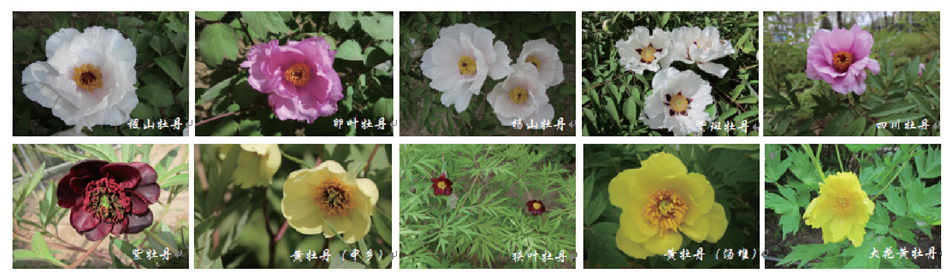
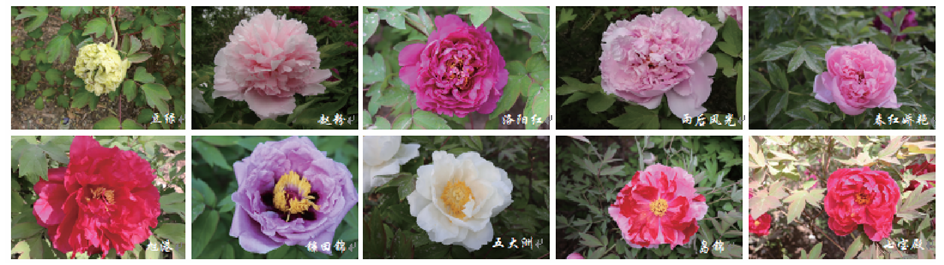
| 编号 | 牡丹材料 | 引种地或来源地 | 类型 | 编号 | 牡丹材料 | 引种地或来源地 | 类型 |
|---|---|---|---|---|---|---|---|
| 1 | 紫斑牡丹(文县居群) | 甘肃文县 | 野生种 | 41 | ‘黄水晶’ | 甘肃兰州 | 新品种 |
| 2 | 大花黄牡丹 | 西藏米林县 | 野生种 | 42 | ‘靓妆’ | 甘肃兰州 | 新品种 |
| 3 | 杨山牡丹 | 河南嵩县 | 野生种 | 43 | ‘杈紫嫣红’ | 甘肃兰州 | 新品种 |
| 4 | 黄牡丹(格咱居群) | 云南中甸县 | 野生种 | 44 | ‘洮玉’ | 甘肃兰州 | 新品种 |
| 5 | 黄牡丹(中乡居群) | 云南中甸县 | 野生种 | 45 | ‘云鄂粉’ | 甘肃兰州 | 新品种 |
| 6 | 狭叶牡丹 | 四川雅江县 | 野生种 | 46 | ‘金墨相映’ | 甘肃兰州 | 新品种 |
| 7 | 紫牡丹(玉龙雪山居群) | 云南丽江市 | 野生种 | 47 | ‘甘林黄’ | 甘肃兰州 | 新品种 |
| 8 | 紫斑牡丹(保康居群) | 湖北保康县 | 野生种 | 48 | ‘娇艳’ | 甘肃兰州 | 新品种 |
| 9 | 稷山牡丹 | 山西稷山县 | 野生种 | 49 | ‘粉脂绣球’ | 甘肃兰州 | 新品种 |
| 10 | 黄牡丹(哈拉居群) | 云南中甸县 | 野生种 | 50 | ‘陇原风采’ | 甘肃兰州 | 新品种 |
| 11 | 黄牡丹(林芝居群) | 西藏林芝县 | 野生种 | 51 | ‘洮绢’ | 甘肃兰州 | 新品种 |
| 12 | 紫斑牡丹(舟曲居群) | 甘肃舟曲县 | 野生种 | 52 | ‘凤楼’ | 甘肃兰州 | 新品种 |
| 13 | 黄牡丹(明永冰川居群) | 云南德钦县 | 野生种 | 53 | ‘玉龙双艳’ | 甘肃兰州 | 新品种 |
| 14 | 紫斑牡丹(成县) | 甘肃成县 | 野生种 | 54 | ‘波心’ | 甘肃兰州 | 新品种 |
| 15 | 卵叶牡丹(神农架居群) | 湖北神农架林区 | 野生种 | 55 | ‘紫荷韵’ | 甘肃兰州 | 新品种 |
| 16 | 四川牡丹(迭部居群) | 甘肃迭部县 | 野生种 | 56 | ‘红荷韵’ | 甘肃兰州 | 新品种 |
| 17 | ‘银粉金鳞’ | 河南洛阳 | 中原牡丹品种 | 57 | ‘紫韵轮回’ | 甘肃兰州 | 新品种 |
| 18 | ‘五洲红’ | 河南洛阳 | 中原牡丹品种 | 58 | ‘紫珊瑚’ | 甘肃兰州 | 新品种 |
| 19 | ‘豆绿’ | 河南洛阳 | 中原牡丹品种 | 59 | ‘余霞散绮’ | 甘肃兰州 | 新品种 |
| 20 | ‘赵粉’ | 河南洛阳 | 中原牡丹品种 | 60 | ‘金樽’ | 甘肃兰州 | 新品种 |
| 21 | ‘洛阳红’ | 河南洛阳 | 中原牡丹品种 | 61 | ‘丝路花语’ | 甘肃兰州 | 新品种 |
| 22 | ‘盛丹炉’ | 河南洛阳 | 中原牡丹品种 | 62 | ‘紫云雀’ | 甘肃兰州 | 新品种 |
| 23 | ‘木兰换装’ | 山东菏泽 | 中原牡丹品种 | 63 | ‘皎洁’ | 甘肃兰州 | 新品种 |
| 24 | ‘墨润绝伦’ | 山东菏泽 | 中原牡丹品种 | 64 | ‘小叶丽堇’ | 甘肃兰州 | 新品种 |
| 25 | ‘迎日红’ | 山东菏泽 | 中原牡丹品种 | 65 | ‘桃绫’ | 甘肃兰州 | 新品种 |
| 26 | ‘锦绣球’ | 山东菏泽 | 中原牡丹品种 | 66 | ‘绉罗裙’ | 甘肃兰州 | 新品种 |
| 27 | ‘蝶恋花’ | 山东菏泽 | 中原牡丹品种 | 67 | ‘棕斑紫罗兰’ | 甘肃兰州 | 新品种 |
| 28 | ‘花王’ | 河南洛阳 | 国外牡丹品种 | 68 | ‘桃夭’ | 甘肃兰州 | 新品种 |
| 29 | ‘雨后风光’ | 山东菏泽 | 中原牡丹品种 | 69 | ‘甘二乔’ | 甘肃兰州 | 新品种 |
| 30 | ‘春红娇艳’ | 山东菏泽 | 中原牡丹品种 | 70 | ‘白蝶’ | 甘肃兰州 | 新品种 |
| 31 | ‘贵妃插翠’ | 山东菏泽 | 中原牡丹品种 | 71 | ‘甘林4号’ | 甘肃兰州 | 新品种 |
| 32 | ‘旭港’ | 河南洛阳 | 国外牡丹品种 | 72 | ‘粉面桃花’ | 甘肃兰州 | 新品种 |
| 33 | ‘七宝殿’ | 河南洛阳 | 国外牡丹品种 | 73 | ‘包容’ | 甘肃兰州 | 新品种 |
| 34 | ‘五大洲’ | 河南洛阳 | 国外牡丹品种 | 74 | ‘紫金闪耀’ | 甘肃兰州 | 新品种 |
| 35 | ‘魏花’ | 河南洛阳 | 中原牡丹品种 | 75 | ‘淡然’ | 甘肃兰州 | 新品种 |
| 36 | ‘岛锦’ | 河南洛阳 | 国外牡丹品种 | 76 | ‘紫锦缎’ | 甘肃兰州 | 新品种 |
| 37 | ‘镰田锦’ | 河南洛阳 | 国外牡丹品种 | 77 | ‘红袖’ | 甘肃兰州 | 新品种 |
| 38 | ‘落日熔金’ | 甘肃兰州 | 新品种 | 78 | ‘天鹅绒’ | 甘肃兰州 | 新品种 |
| 39 | ‘旭日红楼’ | 甘肃兰州 | 新品种 | 79 | ‘丹心’ | 甘肃兰州 | 新品种 |
| 40 | ‘梦幻’ | 甘肃兰州 | 新品种 |
| SSR标记 | 正向引物序列 | 反向引物序列 |
|---|---|---|
| Ps001 | TCGGTGACCTGGCTGTTG | CCCTCCTCCCACTTTGTT |
| Ps003 | GCAAAGACAACAGCCTCG | CTCACCATCCAATCCCAC |
| Ps004 | AGTCGCCTCCTACACCTC | TCCGTAAAGCCCACAATAC |
| Ps005 | ATGTCCAAACTGGCAATA | CCCTCCCTCAACACTTAC |
| Ps006 | TGACCACAAGAAGCCAACT | AGGAAGCGACGAGAAACT |
| Ps008 | CGGCAAAACAAAGAGGAT | ATGGGAGCGTAAGGAACATG |
| Ps009 | GTGCTTAGCCTCTAATCTG | CTTTGCTCCAAGTCTGTC |
| Ps012 | TTTTATGGGTCCTGTTGC | GAAGAGTAAGCCTTTGTCG |
| Ps015 | CCCATGATGATTTTCAATTCCTA | AGGTCACATATACTTGCTCAGCC |
| Ps016 | CCCATGATGATTTTCAATTCCTA | CCCAAGATAAAAGAGAAAAGGTCA |
| Ps022 | CGCCAAATAAAAGTCTAAAACCC | GGGTTTAATTTGAGGAGATGGAG |
| Ps023 | ACTTTCTCCGCTGAAGCAGTTA | CTTGGAAGGGTAGCGGTATTATT |
| Ps024 | GAAGAAGAAGGAGACCTACACCC | CCTCAATCCACAGATTCAAACTT |
| Ps025 | CCATGCCTCTATTCATCTCTCAA | TTGCTTCGTCAAGGAAATTACAG |
| Ps029 | CAATCATCAAACCCTTACTTCCA | AGAAGAATCTGAAAGGGATTTGC |
| Ps030 | TTTACAATCTCGGTAGGTTGGTG | CGAGAGGAAAAATGATCTTCGAT |
| Ps031 | GGAATGGCGGCAACT | TGGCAATACTACTGGACAGG |
| Ps047 | CTGCCATTTCTTGCCTTCTTTGT | TCTACCCTGCCAACAGCACATAC |
| Ps049 | CTCCTGTGCAAGATAACATCCTC | GACAACACTCTGGACTCCATCTT |
| Ps051 | CCCATGATGATTTTCAATTCCTA | AGGTCACATATACTTGCTCAGCC |
| Ps053 | CCCATGATGATTTTCAATTCCTA | CCCAAGATAAAAGAGAAAAGGTCA |
| Ps058 | ACTTTCTCCGCTGAAGCAGTTA | CTTGGAAGGGTAGCGGTATTATT |
| Ps059 | GAAGAAGAAGGAGACCTACACCC | CCTCAATCCACAGATTCAAACTT |
| Ps061 | TTGGGTGTTTTTGAGGCATATAG | CACACAGTATCAAACACCTGCTG |
| Ps063 | CCACCAAACCAAACAACAATTAC | ATTACTCGCTGCAGACGTTAGTT |
| Ps067 | CAATCATCAAACCCTTACTTCCA | AGAAGAATCTGAAAGGGATTTGC |
| Ps068 | TTTACAATCTCGGTAGGTTGGTG | CGAGAGGAAAAATGATCTTCGAT |
| Ps071 | GAGACCACCGAGTCACAG | TCAGAGCATGTCCGAAAC |
| Ps074 | CTCCACCCGTATCACTCATC | CGTCTCCTCCATCAACCT |
| Ps080 | CTGCCATTTCTTGCCTTCTTTGT | TCTACCCTGCCAACAGCACATAC |
| 标记 | 基因型数目 | 等位基因数目 | 基因多样性指数 | 杂合度 | 多态性信息含量指数 |
|---|---|---|---|---|---|
| Ps001 | 42.0000 | 36.0000 | 0.9311 | 0.2025 | 0.9278 |
| Ps003 | 27.0000 | 26.0000 | 0.9462 | 0.0127 | 0.9436 |
| Ps004 | 31.0000 | 27.0000 | 0.9356 | 0.1519 | 0.9320 |
| Ps005 | 21.0000 | 14.0000 | 0.8486 | 0.1646 | 0.8320 |
| Ps006 | 17.0000 | 17.0000 | 0.8949 | 0.0506 | 0.8856 |
| Ps008 | 32.0000 | 29.0000 | 0.8493 | 0.1392 | 0.8405 |
| Ps009 | 39.0000 | 32.0000 | 0.9257 | 0.2152 | 0.9213 |
| Ps012 | 19.0000 | 16.0000 | 0.8027 | 0.0759 | 0.7801 |
| Ps015 | 31.0000 | 28.0000 | 0.9292 | 0.0759 | 0.9251 |
| Ps016 | 27.0000 | 24.0000 | 0.8520 | 0.0759 | 0.8422 |
| Ps022 | 36.0000 | 28.0000 | 0.9164 | 0.2405 | 0.9109 |
| Ps023 | 21.0000 | 15.0000 | 0.7182 | 0.1139 | 0.7047 |
| Ps024 | 21.0000 | 17.0000 | 0.7778 | 0.1139 | 0.7531 |
| Ps025 | 20.0000 | 14.0000 | 0.8301 | 0.1266 | 0.8116 |
| Ps029 | 16.0000 | 15.0000 | 0.7430 | 0.0506 | 0.7075 |
| Ps030 | 30.0000 | 23.0000 | 0.9138 | 0.1392 | 0.9075 |
| Ps031 | 49.0000 | 31.0000 | 0.9232 | 0.5570 | 0.9187 |
| Ps047 | 24.0000 | 16.0000 | 0.8542 | 0.2532 | 0.8386 |
| Ps049 | 27.0000 | 17.0000 | 0.8398 | 0.3038 | 0.8239 |
| Ps051 | 23.0000 | 14.0000 | 0.8875 | 0.2532 | 0.8770 |
| Ps053 | 23.0000 | 19.0000 | 0.8137 | 0.0886 | 0.8004 |
| Ps058 | 42.0000 | 24.0000 | 0.9337 | 0.3797 | 0.9299 |
| Ps059 | 26.0000 | 17.0000 | 0.8722 | 0.2405 | 0.8599 |
| Ps061 | 38.0000 | 24.0000 | 0.9166 | 0.3671 | 0.9108 |
| Ps063 | 37.0000 | 24.0000 | 0.8908 | 0.2911 | 0.8840 |
| Ps067 | 38.0000 | 29.0000 | 0.9382 | 0.1519 | 0.9353 |
| Ps068 | 38.0000 | 27.0000 | 0.9306 | 0.3165 | 0.9265 |
| Ps071 | 25.0000 | 23.0000 | 0.9211 | 0.0633 | 0.9160 |
| Ps074 | 13.0000 | 10.0000 | 0.7665 | 0.0506 | 0.7434 |
| Ps080 | 36.0000 | 21.0000 | 0.9075 | 0.3797 | 0.9008 |
| Mean | 28.9667 | 21.9000 | 0.8737 | 0.1882 | 0.8630 |
| 标记 | 植株株形 | 当年生 枝长度 | 2年生 枝花枝数 | 花枝侧花数 | 花型 | 雄蕊瓣化瓣 | 雄蕊花丝 主色 | 雄蕊花药 颜色 | 雌蕊数量 | 雌蕊花盘 质地 |
|---|---|---|---|---|---|---|---|---|---|---|
| Ps016 | 0.5385 | |||||||||
| Ps023 | 0.4468 | |||||||||
| Ps071 | 0.4606 | |||||||||
| Ps059 | 0.5106 | |||||||||
| Ps003 | 0.5136 | |||||||||
| Ps049 | 0.7117 | 0.6071 | ||||||||
| Ps006 | 0.427 | 0.3757 | ||||||||
| Ps080 | 0.6943 | 0.7086 | ||||||||
| Ps008 | 0.6742 | |||||||||
| Ps067 | 0.7254 | |||||||||
| Ps025 | 0.4637 | |||||||||
| Ps029 | 0.3735 | |||||||||
| Ps053 | 0.45 |
| [1] |
李嘉珏. 中国牡丹品种图志(西北、西南、江南卷)[M]. 北京: 中国林业出版社,2006:1-42.
|
| [2] |
|
| [3] |
杨坤梅, 杨璧嘉, 胡梦露, 等. 不同地域来源牡丹的亲缘关系分析[J]. 西北农林科技大学学报:自然科学版, 2023, 51(2):118-127.
|
| [4] |
|
| [5] |
doi: 10.1101/gad.14.10.1261 URL |
| [6] |
钟原, 成仿云, 吴静. 牡丹(Paeonia sect. Moutan)分子标记研究进展[J]. 分子植物育种, 2016, 14(6):1559-1567.
|
| [7] |
陈赢男, 韦素云, 曲冠正, 等. 现代林木育种关键核心技术研究现状与展望[J]. 南京林业大学学报:自然科学版, 2022, 46(6):1-9.
|
| [8] |
doi: 10.1007/s00299-011-1164-1 pmid: 21987120 |
| [9] |
李莹莹. 基于CDDP标记的牡丹遗传多样性分析及分子身份证构建[D]. 泰安: 山东农业大学,2013:1-103.
|
| [10] |
doi: 10.1371/journal.pone.0034955 URL |
| [11] |
任秀霞, 张盈, 薛璟祺, 等. 滇牡丹天然居群的遗传多样性分析[J]. 植物遗传资源学报, 2015, 16(4):772-780.
doi: 10.13430/j.cnki.jpgr.2015.04.014 |
| [12] |
doi: 10.1007/s11032-014-0144-x URL |
| [13] |
张旻桓, 姚奕平, 黄宇, 等. 基于SSR标记的江南牡丹品种群遗传多样性及亲缘关系[J]. 中南林业科技大学学报, 2023, 43(1):164-172.
|
| [14] |
赖勇, 王鹏喜, 范贵强, 等. 大麦SSR标记遗传多样性及其与农艺性状关联分析[J]. 中国农业科学, 2013, 46(2):233-242.
|
| [15] |
doi: 10.1007/s00122-013-2257-8 pmid: 24408378 |
| [16] |
doi: 10.1186/s12870-014-0311-6 URL |
| [17] |
doi: 10.1007/s00122-014-2435-3 pmid: 25490985 |
| [18] |
doi: 10.1111/nph.12072 pmid: 23278184 |
| [19] |
doi: 10.1186/s12870-015-0499-0 URL |
| [20] |
江锡兵, 汤丹, 龚榜初, 等. 基于SSR标记的板栗地方品种遗传多样性与关联分析[J]. 园艺学报, 2015, 42(12):2478-2488.
doi: 10.16420/j.issn.0513-353x.2015-0484 |
| [21] |
彭芳芳, 龙治坚, 魏召新, 等. 樱桃种质SCoT分子标记与叶片表型性状关联分析[J]. 园艺学报, 2021, 48(2):325-335.
doi: 10.16420/j.issn.0513-353x.2020-0262 |
| [22] |
刘慧民, 朱玉涛, 车代弟, 等. 绣线菊18份材料观赏性状与RAPD标记的关联分析[J]. 园艺学报, 2010, 37(7):1125-1131.
|
| [23] |
doi: 10.1007/s11032-011-9620-8 URL |
| [24] |
吴静. 利用关联作图解析紫斑牡丹重要性状的等位遗传变异[D]. 北京: 北京林业大学,2016:1-167.
|
| [25] |
郭鑫. 栽培紫斑牡丹的遗传多样性及重要性状关联分析[D]. 北京: 北京林业大学,2021:1-134.
|
| [26] |
王佩佩. 油用牡丹主要相关性状与SSR标记的关联分析[D]. 郑州: 河南农业大学,2018:1-44.
|
| [27] |
北京林业大学, 国家林业局科技发展中心, 河南洛阳隋唐城遗址植物园管理处. GB/T32345-2015,植物新品种特异性、一致性、稳定性测试指南牡丹[S]. 北京: 中国标准出版社,2016:1-18.
|
| [28] |
李筱婷, 陈卓君, 许文涛, 等. 一种适于PCR扩增的植物基因组快速提取新方法[J]. 农业生物技术学报, 2010, 18(2):394-399.
|
| [29] |
王晋, 王世红, 赖勇, 等. 大麦SSR标记遗传多样性及群体遗传结构分析[J]. 核农学报, 2014, 28(2):177-185.
doi: 10.11869/j.issn.100-8551.2014.02.0177 |
| [30] |
杨文娟, 司二静, 潘娇, 等. 大麦条纹病抗性鉴定及与SSR标记的关联分析[J]. 植物遗传资源学报, 2024, 25(8):1283-1296.
|
| [31] |
doi: 10.1093/bioinformatics/bti282 pmid: 15705655 |
| [32] |
|
| [33] |
|
| [34] |
doi: 10.1007/s10592-007-9499-4 URL |
| [35] |
丘立杭, 罗含敏, 陈荣发, 等. 基于RNA-Seq的甘蔗主茎和分蘖茎转录组建立及初步分析[J]. 基因组学与应用生物学, 2018, 37(3):1271-1279.
|
| [36] |
李莹莹. 分子标记在牡丹遗传多样性分析与品种鉴定中的应用[J]. 生物技术, 2014, 24(3):87-91.
|
| [37] |
pmid: 6247908 |
| [38] |
张琳, 王佩佩, 韩雅祯, 等. 油用牡丹主要相关性状与SSR分子标记的关联分析[J]. 东北林业大学学报, 2019, 47(3):31-37.
|
| [39] |
吴静, 成仿云, 庞利铮, 等. 紫斑牡丹表型性状与SSR分子标记的关联分析[J]. 北京林业大学学报, 2016, 38(8):80-87.
|
| [1] | LIU Qiangli, AO Man, GUAN Yixin, HAN Ke, CHEN Song, CHEN Xin, BAI Yumei, CHEN Zhiyuan, CUI Zhenhai. Research Progress on Genetic Improvement of Temperate Maize Utilizing Tropical Maize Germplasm [J]. Chinese Agricultural Science Bulletin, 2026, 42(8): 1-10. |
| [2] | LIAO Yuanyuan, ZHENG Zhangyun, ZHANG Zitao, CHEN Li, XIA Chuanlin, REN Jiequn, TAN Lixin. Analysis of Phenotypic and Leaf Nutritional Traits of 42 Mulberry Germplasm Resources [J]. Chinese Agricultural Science Bulletin, 2026, 42(4): 105-116. |
| [3] | FAN Yaqian, FENG Pei, SUN Qi, CHI Chenmeng, LI Lin, WANG Yunfan, LIU Zhijun, LUN Mingyu, SHEN Yanjing, TIAN Hengjiu. Genetic Diversity of Wild Boar Population (Sus scrofa) in Songshan Nature Reserve of Beijing Based on High-throughput Sequencing Technology [J]. Chinese Agricultural Science Bulletin, 2026, 42(20): 139-147. |
| [4] | WANG Jun, ZUO Xi, QIU Jingtao, YANG Wuguang, QIAN Chencheng. Differences Analysis of Agronomic Traits and Yield of Different Wheat Varieties Under Late-Sowing Conditions [J]. Chinese Agricultural Science Bulletin, 2026, 42(2): 25-31. |
| [5] | SUN Tianqi, ZHOU Lei, XU Lingui, SUN Xiaobo, CHEN Yong, SUI Chun. Analysis of SSR Loci and Development of Molecular Markers in Isatis indigotica Genome [J]. Chinese Agricultural Science Bulletin, 2026, 42(2): 50-56. |
| [6] | XIE Yuxin, WANG Jiayi, FENG Zhen, LI Feifei, ZHAO Shuqi, LI Libei. Phenotypic Trait Analysis and Comprehensive Evaluation of Upland Cotton in Hubei Province [J]. Chinese Agricultural Science Bulletin, 2026, 42(12): 68-77. |
| [7] | ZENG Duanxiang, YU Ning, DU Juan, ZENG Yao, WANG Lianying. Effects of Arbuscular Mycorrhiza Fungi Inoculated in Vitro on Growth and Development of Tree Peony Vitroplantlets [J]. Chinese Agricultural Science Bulletin, 2025, 41(7): 55-60. |
| [8] | WANG Xinyi, GUO Kewei, KANG Zhongying, KANG Jianhui, ZHANG Guimin, YUAN Tao. Flower Color Classification of Hybrid Multicolor Varieties of Peony and Itoh Hybrid Peony [J]. Chinese Agricultural Science Bulletin, 2025, 41(6): 65-72. |
| [9] | ZHAO Fang, GAO Yunqing, GAO Shaobin, ZHENG Lizhen, LI Shutong, SHANG Qibing, XU Dongxu, GUAN Xiangyu. Genetic Diversity Analysis and Comprehensive Evaluation of Main Agronomic and Economic Characters of Mung Bean Germplasm Resources in Hebei Province [J]. Chinese Agricultural Science Bulletin, 2025, 41(5): 23-29. |
| [10] | LI Jing, LI Haixia, LI Zhenghua, GUO Chengbo, WANG Yanmin, SUN Peilin, BAI Hui. Genetic Diversity Analysis of Syringa Germplasm Resources on Phenotypic Traits [J]. Chinese Agricultural Science Bulletin, 2025, 41(4): 74-83. |
| [11] | LONG Libing, LIANG Wei, YU Guo, QIN Zhenghao, HUANG Rongshao, YAO Shaochang. Phenotypic Diversity Analysis of Guangxi Cinnamomum cassia Leaves and Screening for Excellent Germplasm [J]. Chinese Agricultural Science Bulletin, 2025, 41(34): 63-73. |
| [12] | PENG Cuiying, LIANG Junsheng, LIAO Dezhi, WANG Xujun. Genetic Diversity Analysis of Populations of Polygonatum cyrtonema Hua Based on Two Types of DNA Barcode Sequences [J]. Chinese Agricultural Science Bulletin, 2025, 41(33): 67-73. |
| [13] | HUANG Lijia, ZHANG Zhaojuan, GUO Yuchun, ZHANG Xin. Analysis of Main Characters and SSR Genetic Diversity of 14 Color Potato Varieties [J]. Chinese Agricultural Science Bulletin, 2025, 41(32): 17-22. |
| [14] | XU Yu, XU Zhiqiang, YAN Weihui, LI Jiajia, HUANG Hongbing, LI Xuguang, LIU Yuanzhu, PAN Jianlin. Genetic Diversity Analysis of Seven Natural Populations of Procambarus clarkii from Jiangsu Province Based on Whole-Genome SNP Variations [J]. Chinese Agricultural Science Bulletin, 2025, 41(17): 144-151. |
| [15] | YE Kaimei, CHEN Wei, REN Minggang, WU Jiali, HE Dazhi, NIU Lili. Phenotypic Genetic Diversity Analysis and Comprehensive Evaluation of 18 Millet Germplasm [J]. Chinese Agricultural Science Bulletin, 2025, 41(17): 38-44. |
| Viewed | ||||||
|
Full text |
|
|||||
|
Abstract |
|
|||||
