欢迎访问《中国农学通报》,

中国农学通报 ›› 2026, Vol. 42 ›› Issue (13): 135-142.doi: 10.11924/j.issn.1000-6850.casb2025-1017

• 资源·环境·生态·土壤·气象 • 上一篇    下一篇

科尔沁沙地不同利用方式对土壤特性的影响研究

高维亚(), 陈幸宝, 萨如拉(), 邰继承, 张艳婷, 王慧淼   

  1. 内蒙古民族大学, 内蒙古通辽 028000
  • 收稿日期:2025-12-21 修回日期:2026-04-23 出版日期:2026-07-15 发布日期:2026-07-09
  • 通讯作者:
    萨如拉,女,1982年出生,内蒙古通辽人,博士,研究方向:盐碱地改良。通信地址:028000 内蒙古自治区通辽市科尔沁区西拉木伦大街996号 内蒙古民族大学草业学院,Tel:0475-8316322,E-mail:
  • 作者简介:

    高维亚,男,2006年出生,内蒙古兴安盟人,本科在读,研究方向:农业资源与环境。通信地址:028000 内蒙古自治区通辽市科尔沁区西拉木伦大街996号 内蒙古民族大学草业学院,Tel:0475-8316322,E-mail:

  • 基金资助:
    国家自然基金项目“合成耐盐菌群构建及其增强青贮玉米抗盐促生机制研究”(32560506); 内蒙古自治区自然科学基金项目“米豆间作促进氮磷高效吸收利用的生物学机制”(2024LHMS03059); 大学生创新创业训练计划项目“免耕-轮作-秸秆粪肥还田协同提升粮食产量和黑土耕地地力研究”(202510136007); 内蒙古自治区科技计划项目“麦豆绿肥填闲配合氮肥减量条件下玉米生产和改土效应研究与示范”(2025YFDZ0119)

Effects of Different Land Use Types on Soil Properties in Horqin Sandy Land

GAO Weiya(), CHEN Xingbao, SA Rula(), TAI Jicheng, ZHANG Yanting, WANG Huimiao   

  1. Inner Mongolia Minzu University, Tongliao, Inner Mongolia 028000
  • Received:2025-12-21 Revised:2026-04-23 Published:2026-07-15 Online:2026-07-09

摘要:

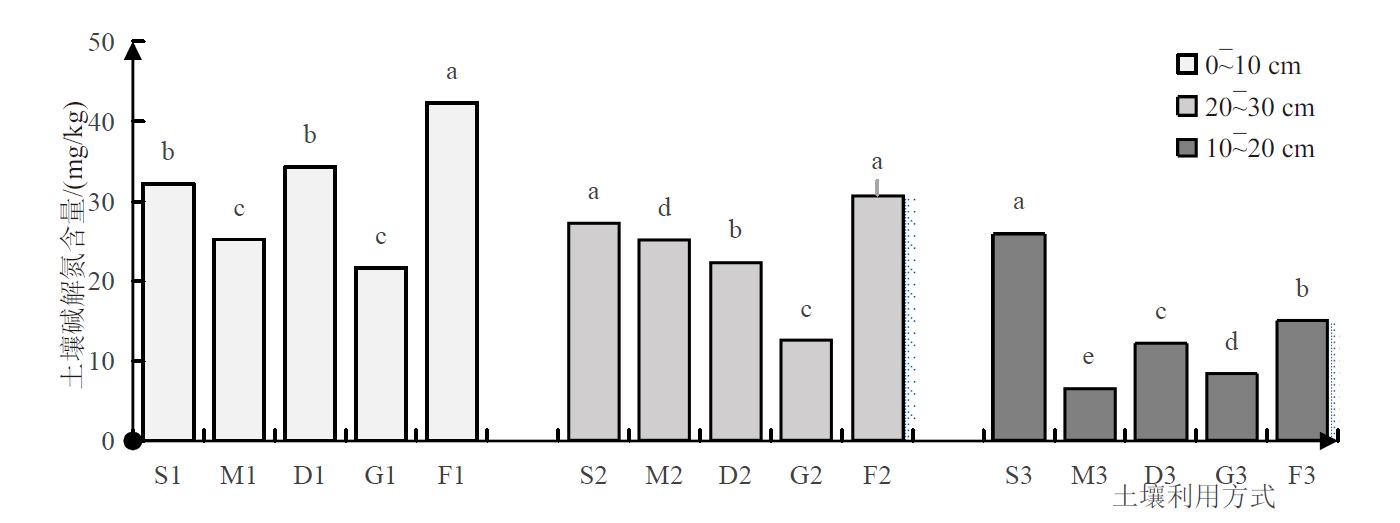
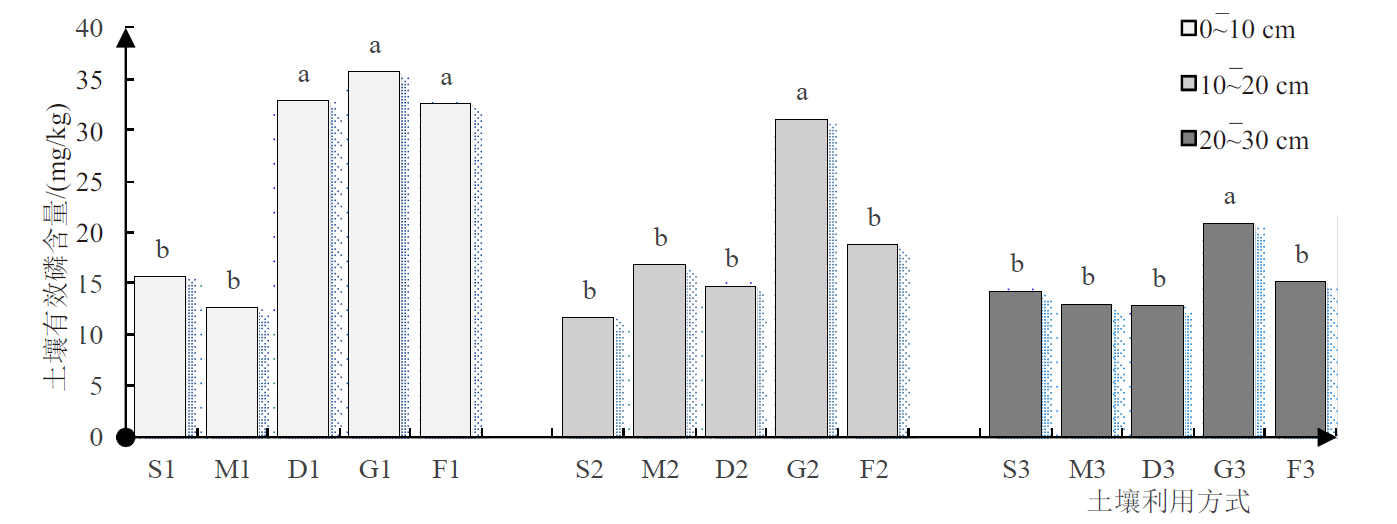
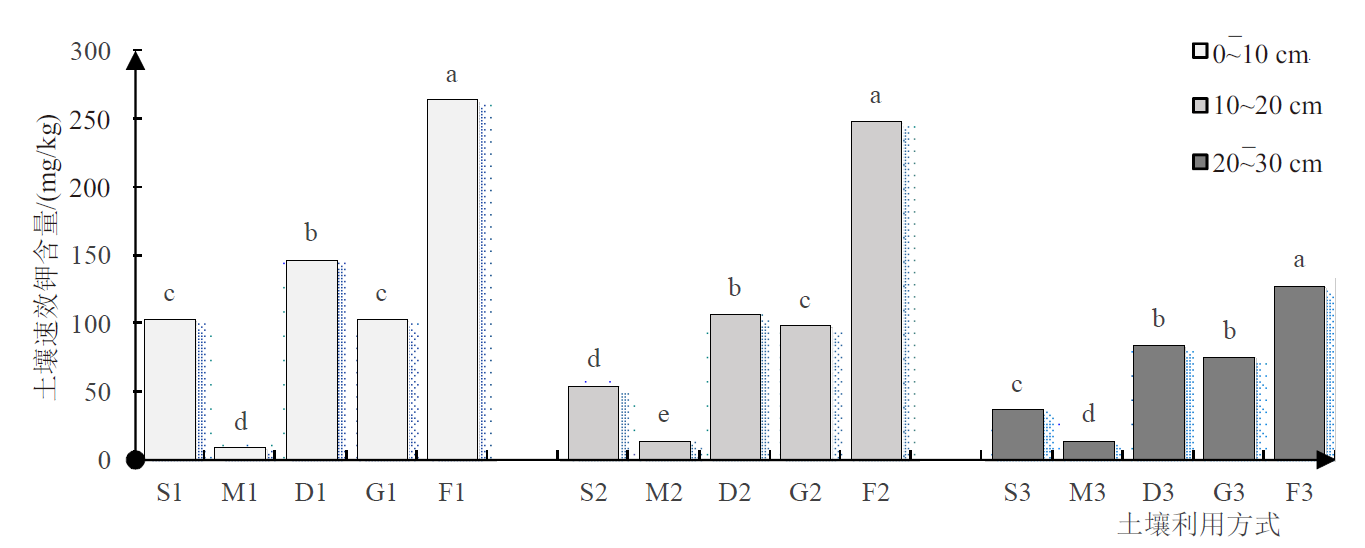
探明科尔沁沙地不同土地利用方式对土壤化学性质及酶活性的影响,评估其生态系统功能差异,为该区域土地资源优化管理与生态恢复提供科学依据。以兴安盟科尔沁右翼中旗境内的科尔沁沙地为研究区,在玉米收获期,分别选取小叶锦鸡儿灌木林(S)、自然草地(M)、鸡心果林地(D)、地被花卉地(G)、玉米农田(F)5种典型利用方式为研究对象,按0~10、10~20、20~30 cm分层采集土壤样品,系统测定其土壤碱解氮、有效磷、速效钾、pH、电导率、交换性钠等化学指标以及蔗糖酶、脲酶、纤维素酶、碱性磷酸酶和过氧化氢酶活性。结果表明,土地利用方式显著改变了土壤特性。土壤肥力方面,由于人为施肥,农田(F)碱解氮和速效钾含量处于最高水平,较自然草地(M)高143.4%,较灌木林(S)高230.5%。小叶锦鸡儿灌木林(S)展现出显著的固氮生态功能,其碱解氮含量较自然草地(M)、花卉地(G)分别高140.1%、99.5%。土壤酶活性方面,林地(D)和花卉地(G)的碳磷循环相关酶活性突出,两者蔗糖酶活性较农田(F)、灌木林(S)平均高99.1%、127.6%;林地(D)和花卉地(G)的蔗糖酶和磷酸酶活性突出,林地(D)的蔗糖酶活性较农田(F)、灌木林(S)分别高100.0%、134.5%,花卉地(G)的蔗糖酶活性较农田(F)、灌木林(S)分别高88.3%、120.7%,林地(D)的磷酸酶活性较农田(F)、灌木林(S)分别高114.3%、88.4%,花卉地(G)的磷酸酶活性较农田(F)、灌木林(S)分别高138.2%、109.4%。与之相反,农田(F)的氮循环酶活性最高,其脲酶活性较M和S分别高459.5%、314.8%。在养分贫瘠的背景下,自然草地(M)深层土壤(M3)的纤维素酶活性异常升高,是农田表层(F1)的5.8倍。综上,科尔沁沙地不同土地利用方式导致土壤生态功能的显著分异。农田管理虽能快速提升土壤氮钾养分,但依赖于外部投入;小叶锦鸡儿灌木林在自然状态下维持氮素的能力突出;林地和花卉地则更有利于培育健康、活跃的土壤生物化学循环。因此,在生态恢复中应优先考虑豆科灌木与乔灌草结合的模式,需重点关注退化草地的恢复治理。

关键词: 科尔沁沙地, 土地利用类型, 土壤化学性质, 土壤酶活性

Abstract:

To elucidate the effects of different land use types on soil chemical properties and enzyme activities in the Horqin sandy land, and assess the resulting disparities in ecosystem functions, providing a scientific basis for optimizing land resource management and facilitating ecological restoration in the region. The investigation was conducted within the Horqin sandy land located in Right Wing, Middle Banner of Horqin, Xing’an League, during the maize harvest period, and soil samples were systematically collected from 5 representative land use types: Caragana microphylla shrubland (S), natural grassland (M), Malus ‘Jinxiu’ forest land (D), ground cover flower land (G), and maize farmland (F). Sampling was stratified into depths of 0-10, 10-20, and 20-30 cm. A comprehensive set of analyses was performed to determine key soil chemical properties, including alkaline hydrolysis nitrogen, available phosphorus, available potassium, pH, electrical conductivity, and exchangeable sodium, as well as the activities of sucrase, urease, cellulase, alkaline phosphatase, and catalase enzymes. The results demonstrated that: land use types significantly altered soil characteristics. In terms of soil fertility, maize farmland (F), benefiting from anthropogenic fertilization, exhibited the highest concentrations of alkaline hydrolysis nitrogen and available potassium, exceeding those in natural grassland (M) by 143.4% and C. microphylla shrubland (S) by 230.5%, respectively. C. microphylla shrubland (S) displayed a pronounced nitrogen-fixing ecological function, with its alkaline hydrolysis nitrogen content surpassing that of natural grassland (M) and ground cover flower land (G) by 140.1% and 99.5%, respectively. Regarding soil enzyme activities, forest land (D) and ground cover flower land (G) showed notably higher activities of enzymes associated with carbon and phosphorus cycling. The average sucrase activity in D and G was 99.1% and 127.6% higher than in maize farmland (F) and C. microphylla shrubland (S), respectively; the alkaline phosphatase activity in ground cover flower land (G) was 138.2% higher than in maize farmland (F). In contrast, maize farmland (F) exhibited the highest nitrogen cycle enzyme activity, with its urease activity exceeding that in natural grassland (M) and C. microphylla shrubland (S) by 459.5% and 314.8%, respectively. In the nutrient-impoverished natural grassland (M), the cellulase activity in the deepest soil layer (M3) increased anomalously, reaching a level of 5.8 times that of the surface layer in maize farmland (F). In conclusion, different land use types in the Horqin sandy land lead to significant differentiation in soil ecological functions. While farmland management can rapidly enhance nitrogen and potassium levels, it remains dependent on external inputs. C. microphylla shrubland demonstrates a superior capacity for maintaining nitrogen under natural conditions, whereas forest land and ground cover flower land are more conducive to foster a healthy and active soil biochemical cycle. Therefore, ecological restoration efforts should prioritize models integrating leguminous shrubs with trees, shrubs, and grasses, while special attention is required for the restoration and management of degraded grasslands.

Key words: Horqin sandy land, land use type, soil chemical properties, soil enzyme activity

中图分类号: