欢迎访问《中国农学通报》,

中国农学通报 ›› 2026, Vol. 42 ›› Issue (2): 120-127.doi: 10.11924/j.issn.1000-6850.casb2025-0500

• 资源·环境·生态·土壤·气象 • 上一篇    下一篇

有机肥施用对水稻产量及土壤理化性质的影响

谷雨1(), 陈鸽1, 刘琼峰1, 周峻宇1, 谢坚1, 杨曾平1, 饶中秀1, 梁万栋2, 张丽娜2, 盛浩2, 吴海勇1()   

  1. 1 湖南省耕地与农业环境生态研究所, 长沙 410125
    2 湖南农业大学资源学院, 长沙 410128
  • 收稿日期:2025-06-18 修回日期:2025-08-15 出版日期:2026-01-25 发布日期:2026-01-22
  • 通讯作者:
    吴海勇,男,1984年出生,湖南郴州人,副研究员,硕士,研究方向:土壤肥力与土壤生态学。通信地址:410125 湖南省耕地与农业环境生态研究所,E-mail:
  • 作者简介:

    谷雨,女,1986年出生,湖南长沙人,助理研究员,博士,主要从事土壤资源利用方面的研究。通信地址:410125 湖南省耕地与农业环境生态研究所,E-mail:

  • 基金资助:
    湖南省重点研发计划项目“变更耕地地力快速提升关键技术研究与应用”(2023NK2026); 湖南省自然科学基金重大项目“重金属多介质传输源头阻断与精准修复机理”(2021JC0001); 国家自然科学基金联合基金项目“氮磷多途径原位成矿阻控农田镉污染的基础研究”(U21A20294); 湖南省农业科技创新资金项目“冬闲杂草还田对土壤有机碳组分的影响及其固碳机制研究”(2024CX103); 湖南省第三次全国土壤普查项目“外业调查采样质控和数据入库审核”(STPZK2023-14)

Effects of Organic Fertilizer Application on Rice Yield and Soil Physicochemical Properties

GU Yu1(), CHEN Ge1, LIU Qiongfeng1, ZHOU Junyu1, XIE Jian1, YANG Zengping1, RAO Zhongxiu1, LIANG Wandong2, ZHANG Li’na2, SHENG Hao2, WU Haiyong1()   

  1. 1 Hunan Institute of Agricultural Soil and Eco-Environment, Changsha 410125
    2 College of Resources, Hunan Agricultural University, Changsha 410128
  • Received:2025-06-18 Revised:2025-08-15 Published:2026-01-25 Online:2026-01-22

摘要:

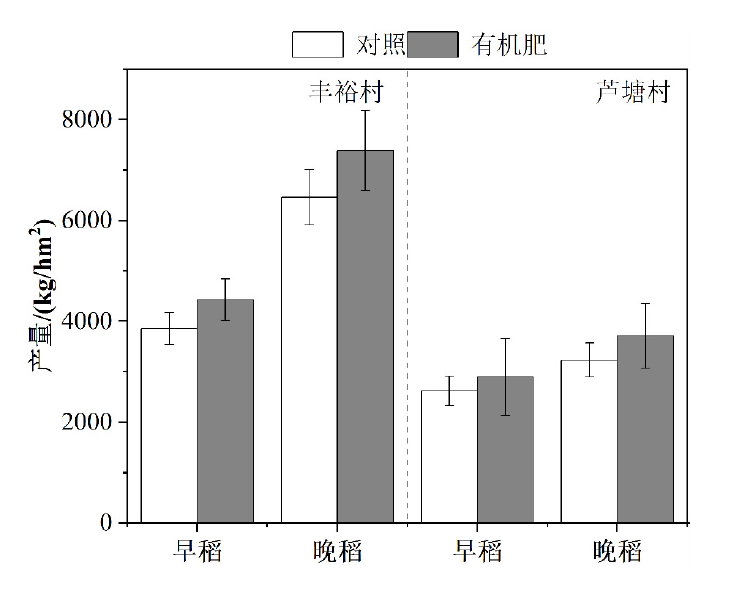
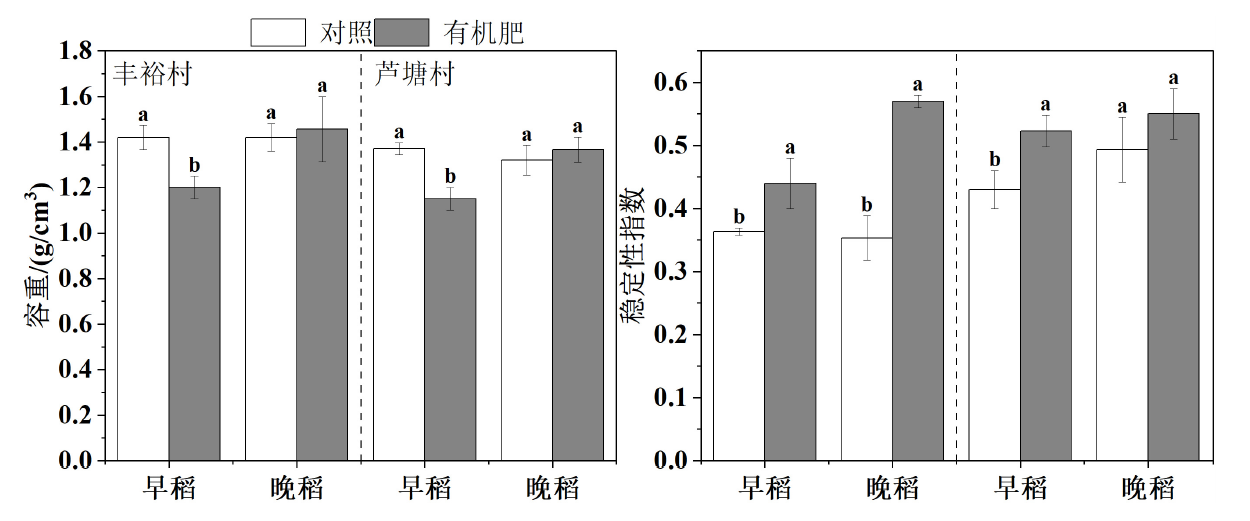
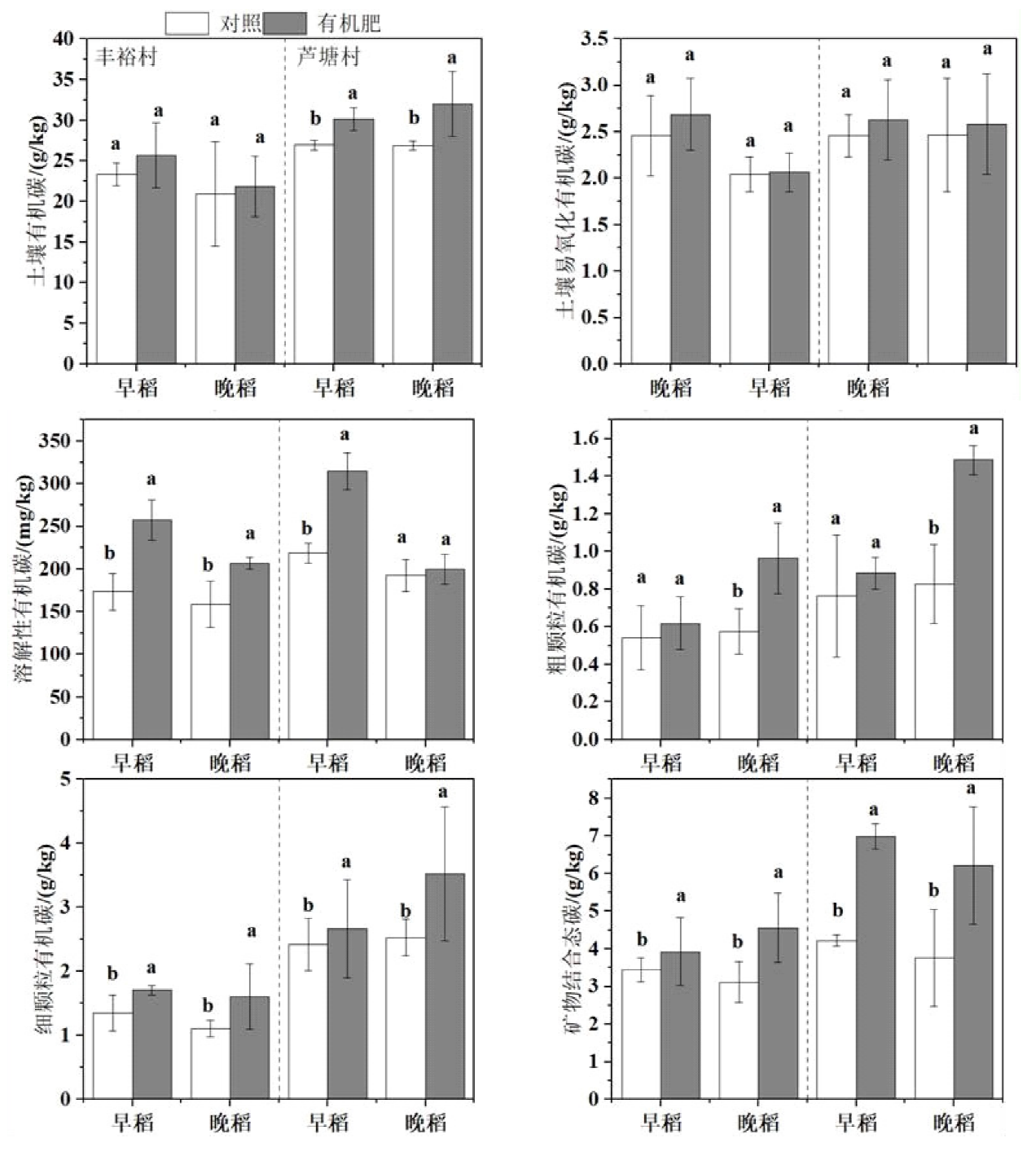
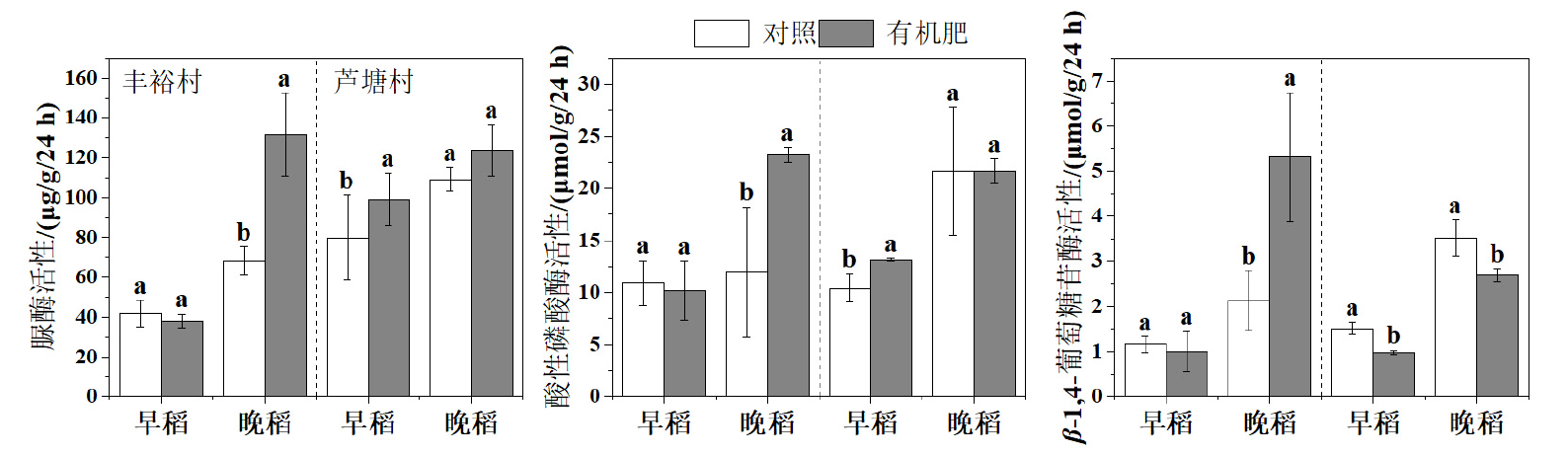
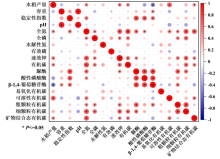
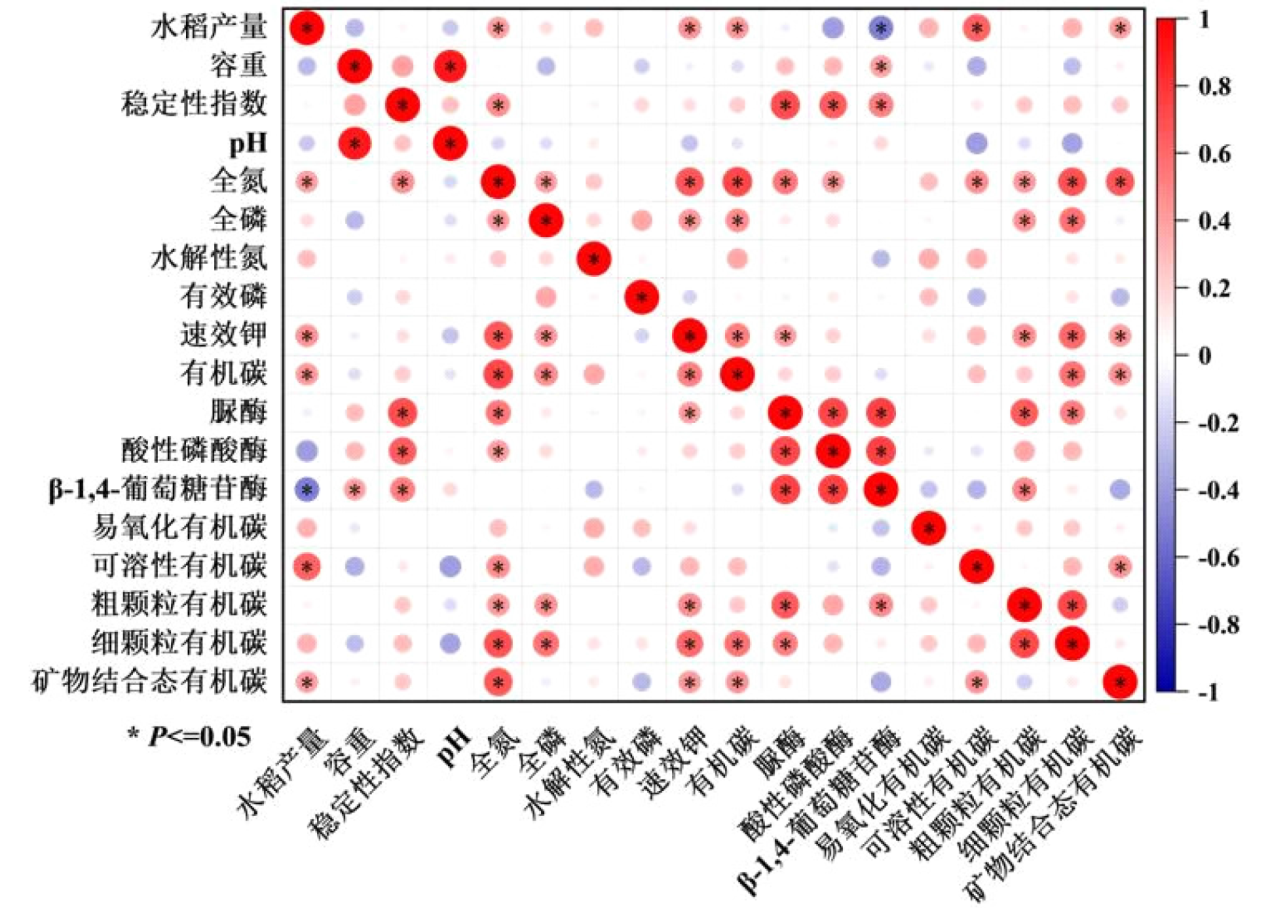
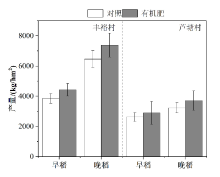
为探究鸡粪发酵商品有机肥施用在双季稻种植模式中对水稻产量及土壤理化性质的调控作用,本研究于湘东浏阳市某河砂泥田开展大田配对试验,设置施常规化肥(CK)与鸡粪发酵商品有机肥4.50 t/(hm²·季)处理,系统分析了连续施用有机肥对水稻产量、土壤理化性质及酶活性的影响。结果表明,与对照田块相比,施有机肥处理虽未显著提高双季稻产量(增幅介于11%~15%),但显著改善了土壤物理结构:早稻季土壤容重降低15%~16%,土壤团聚体稳定性显著提高21%~61%(P<0.05)。土壤各碳组分含量均有增加趋势,芦塘村早、晚稻季土壤总有机碳含量分别显著提高12%和19%,活性有机碳组分含量(溶解性有机碳、颗粒有机碳)增幅达29%~67%,矿物结合态有机碳含量提升14%~65%。速效养分含量的增幅呈现时空异质性:芦塘村早稻季全氮和碱解氮含量分别显著增加26%和21%,丰裕村晚稻季碱解氮和速效钾含量分别提升21%和11%(P<0.05)。土壤酶活性对有机肥施用的响应因试验地点与稻季而异,丰裕村晚稻季脲酶、酸性磷酸酶和β-1,4-葡萄糖苷酶活性显著提高93%~149%,而芦塘村早、晚稻季β-1,4-葡萄糖苷酶活性降低23%~35%。相关分析表明,水稻产量与土壤有机碳、速效钾及矿物结合态碳含量呈显著正相关(Pearson相关系数为0.420~0.634),但与β-1,4-葡萄糖苷酶活性呈显著负相关(Pearson相关系数为-0.506)。综上,鸡粪发酵商品有机肥通过改善土壤物理结构、提高土壤有机碳含量及酶活性,对双季稻区地力培育具有正向积极作用,但其效果受土壤本底及稻季的影响。

关键词: 土壤团聚体稳定性, 酶活性, 碳组分, 土壤养分, 土壤性质

Abstract:

To explore the regulatory effects of applying commercial organic fertilizer from fermented chicken manure on rice yield and soil physicochemical properties in a double-cropping rice system, a paired field experiment was conducted in sandy loam paddy fields derived from river alluvium in eastern Hunan Province. The treatments consisted of conventional chemical fertilizer and commercial organic fertilizer from fermented chicken manure (4.5 t/hm2 per season). The effects of continuous organic fertilizer application on rice yield, soil physicochemical properties, and enzyme activities were systematically analyzed. The results showed that, compared with the control plots, although the organic fertilizer treatment did not significantly increase double-cropping rice yield (the increase range between 11%-15%), it significantly improved the soil physical structure: the soil bulk density decreased by 15%-16% in early rice season, and the stability of soil aggregates was significantly increased by 21%-61% (P<0.05). The contents of various soil carbon components showed an increasing trend. In Lutang Village, the total soil organic carbon content was significantly increased by 12% and 19% in early and late rice seasons, respectively; the contents of active organic carbon components (dissolved organic carbon and particulate organic carbon) increased by 29%-67%, and the mineral-bound organic carbon content increased by 14%-65%. The increase in available nutrient content showed spatiotemporal heterogeneity. In Lutang Village, the total nitrogen and alkali-hydrolyzable nitrogen contents were significantly increased by 26% and 21%, respectively, in the early rice season; in Fengyu Village, the alkali-hydrolyzable nitrogen and available potassium contents were increased by 21% and 11%, respectively, in the late rice season (P<0.05). The response of soil enzyme activity to organic fertilizer application varied with the experimental site and rice season. In Fengyu Village, the activities of urease, acid phosphatase, and β-1,4-glucosidase were significantly increased by 93%-149% in the late rice season, while in Lutang Village, β-1,4-glucosidase activity was decreased by 23%-35% in both early and late rice seasons. Correlation analysis showed that rice yield was significantly positively correlated with soil organic carbon, available potassium, and mineral-bound carbon (Pearson correlation coefficient was 0.420-0.634), but was significantly negatively correlated with β-1,4-glucosidase activity (Pearson correlation coefficient was -0.506). In conclusion, commercial organic fertilizer from fermented chicken manure positively enhances soil fertility in double-cropping rice systems by improving soil physical structure, increasing soil organic carbon content, and modulating enzyme activities, though its effects are influenced by native soil properties and rice season.

Key words: soil aggregate stability, enzyme activity, carbon composition, soil nutrients, soil properties