欢迎访问《中国农学通报》,

中国农学通报 ›› 2026, Vol. 42 ›› Issue (16): 100-109.doi: 10.11924/j.issn.1000-6850.casb2026-0047
王亚楠1,2( ), 李涛3, 何世昊1, 帕丽努尔·艾外力1, 王嘉丰1, 王鑫1, 李志元1(), 秦勇1
收稿日期:2026-01-15
修回日期:2026-06-01
出版日期:2026-08-25
发布日期:2026-08-20
通讯作者:
作者简介:王亚楠,女,1994年出生,河南漯河人,讲师,硕士,研究方向为园艺作物栽培与分子育种。通信地址:830052 新疆维吾尔自治区乌鲁木齐市农大东路311号,Tel:0991-8763007,E-mail:18299122160@163.com。
基金资助:
WANG Yanan1,2(), LI Tao3, HE Shihao1, PALINUR·Aiwaili1, WANG Jiafeng1, WANG Xin1, LI Zhiyuan1(), QIN Yong1
Received:2026-01-15
Revised:2026-06-01
Published:2026-08-25
Online:2026-08-20
摘要:
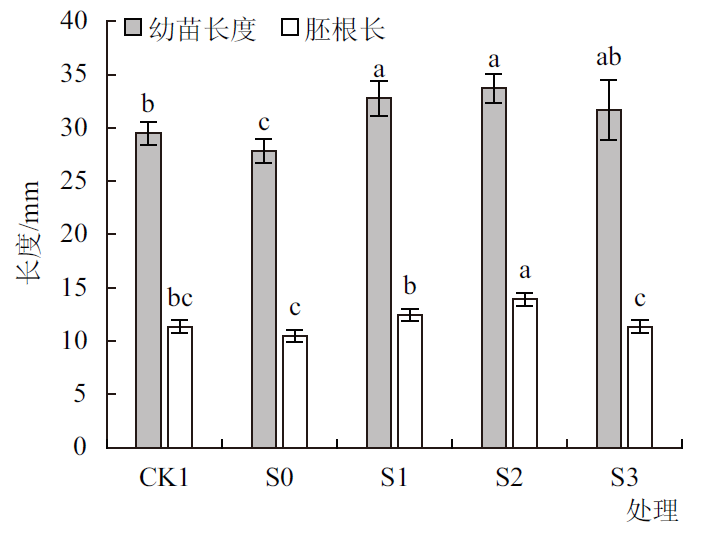
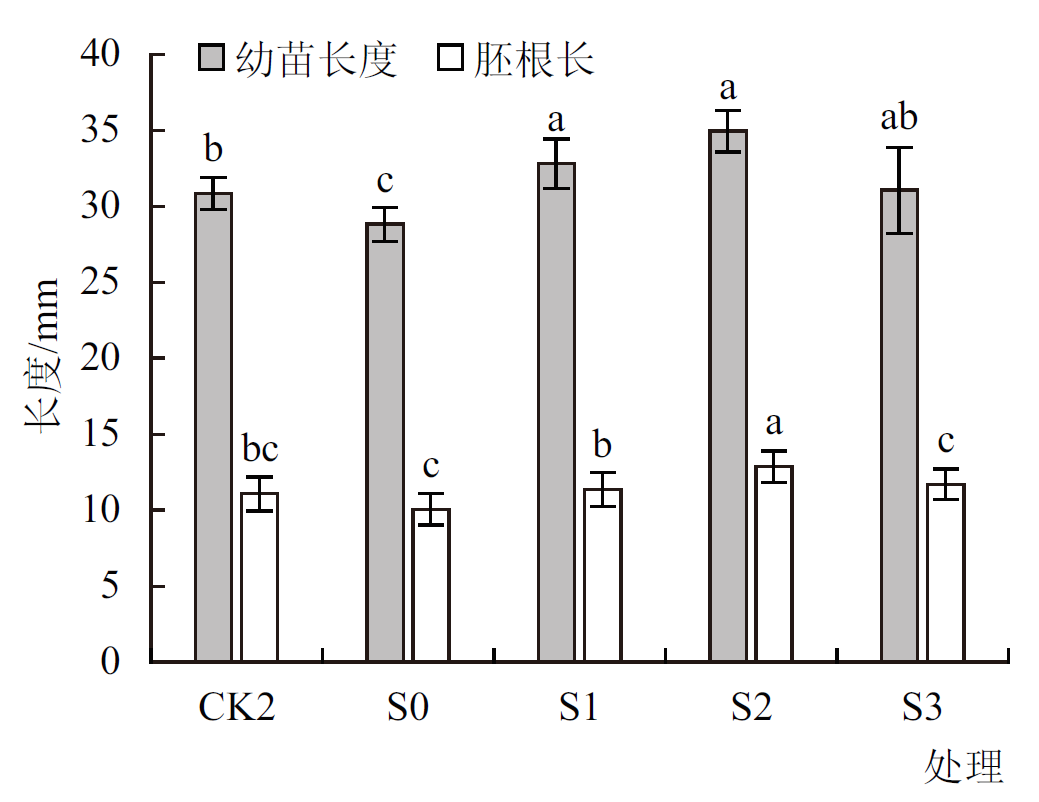
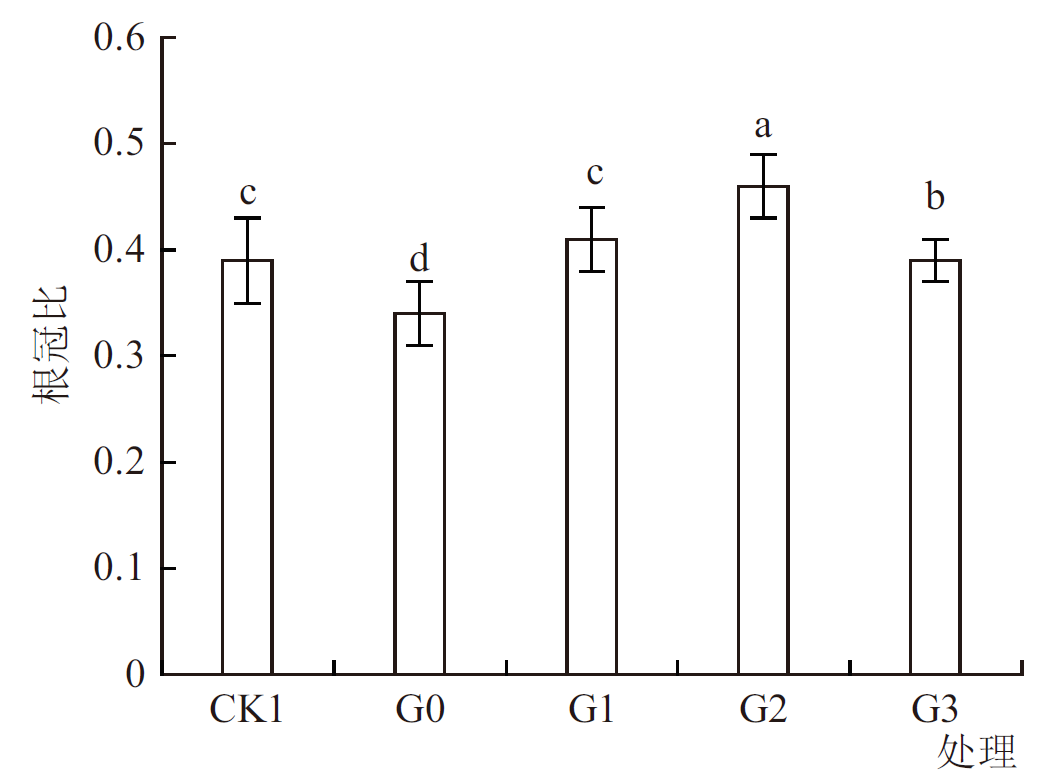
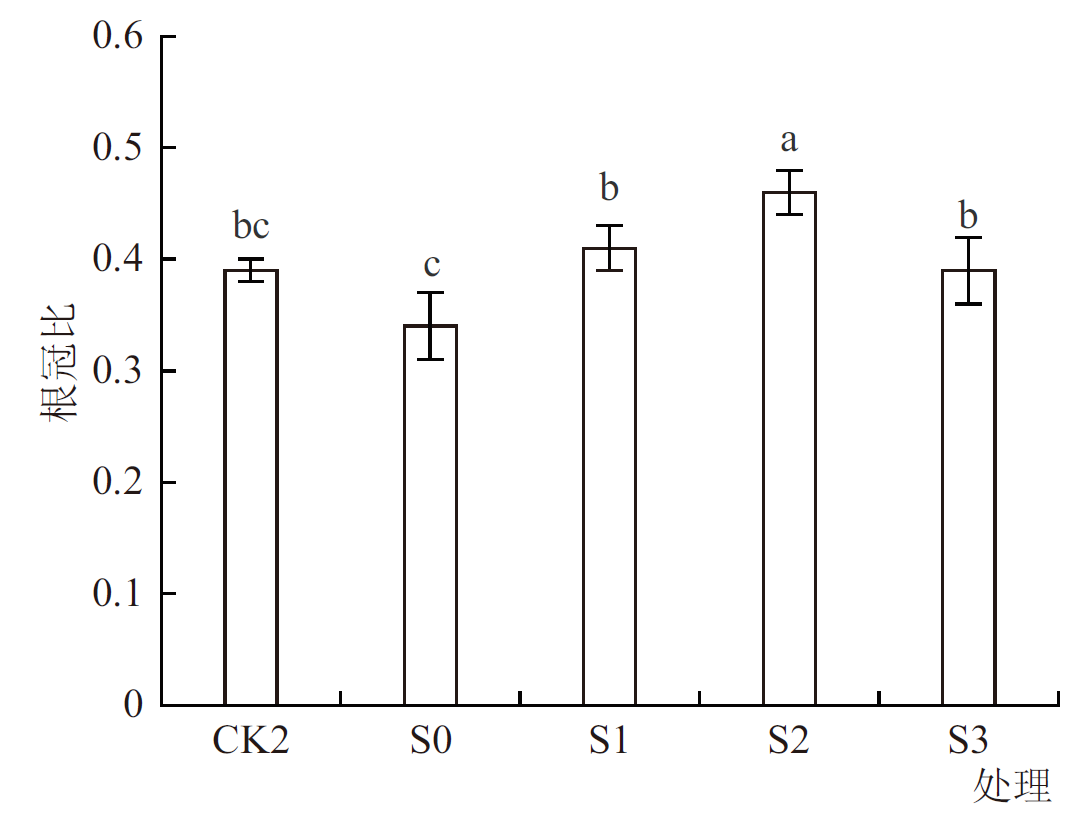
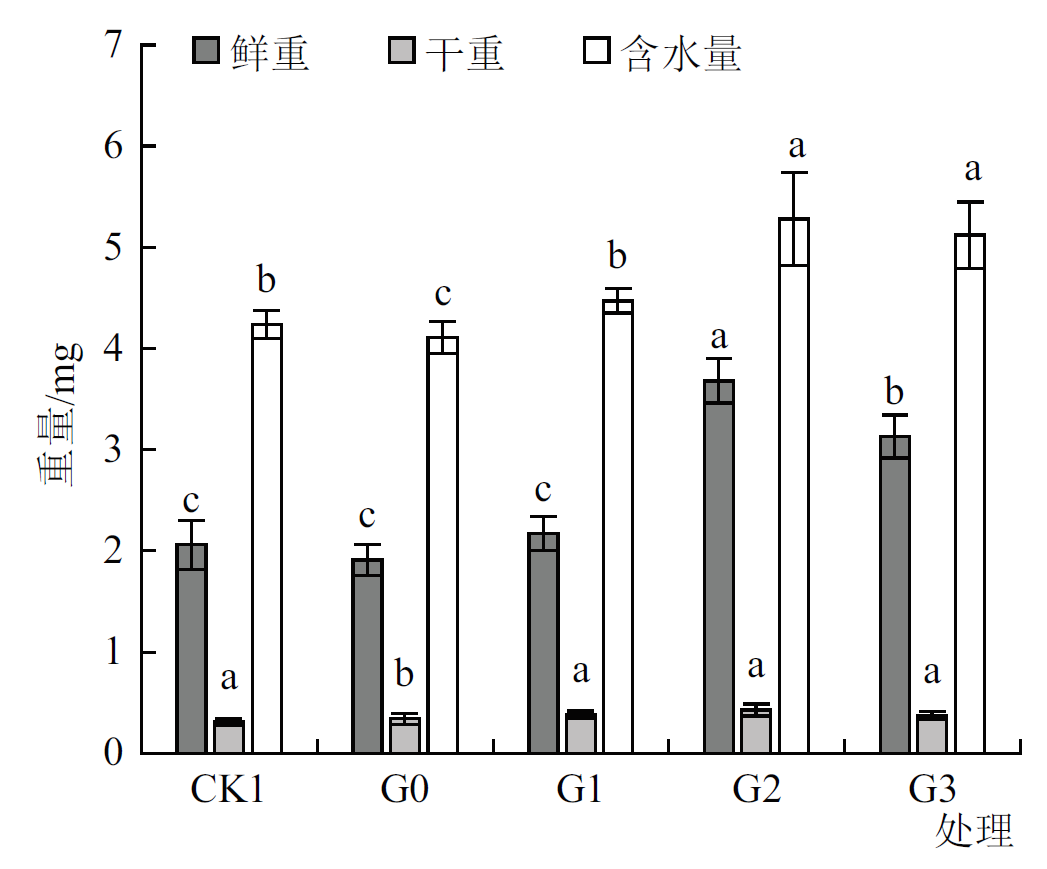
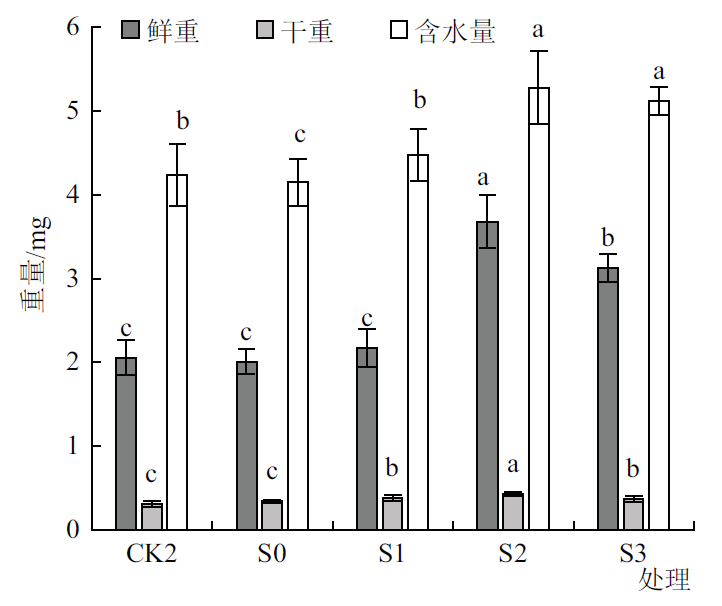
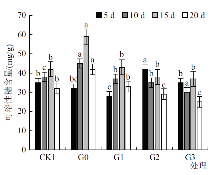
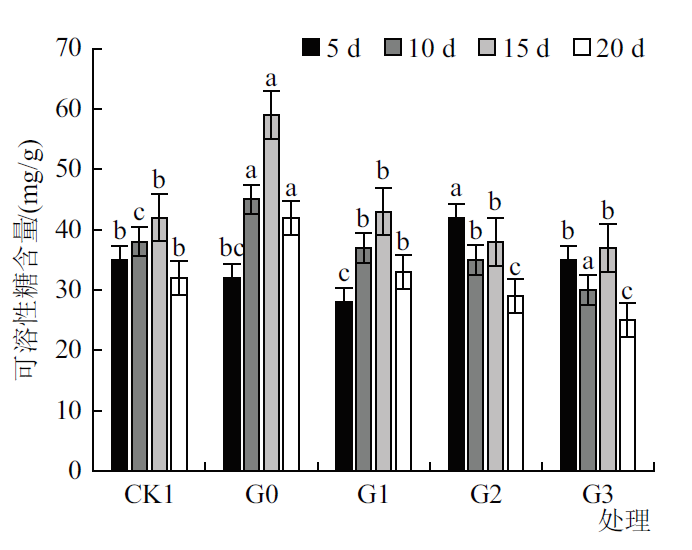
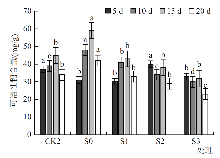
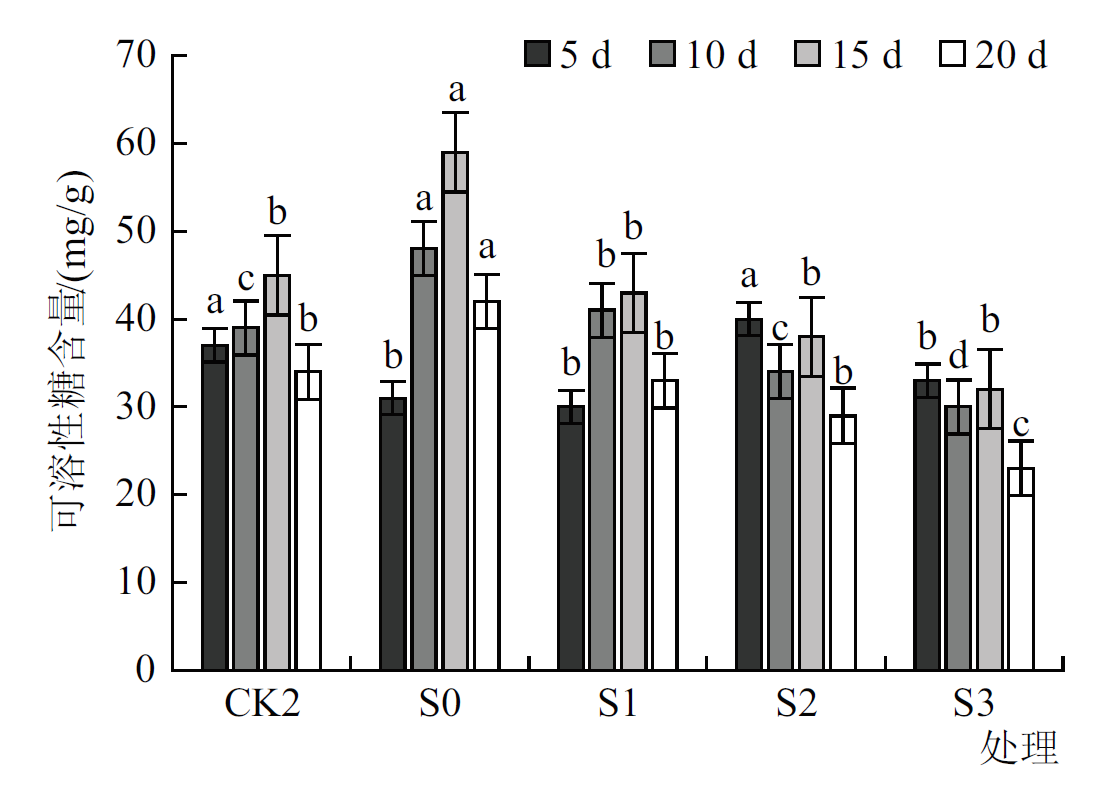
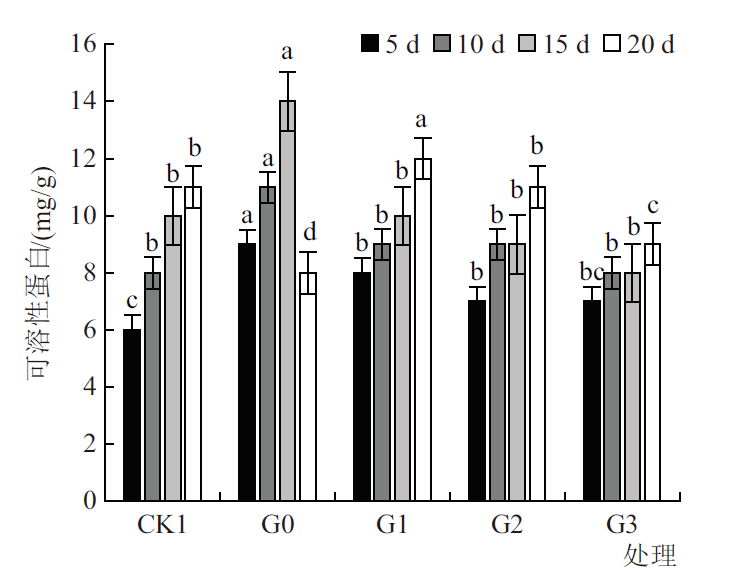
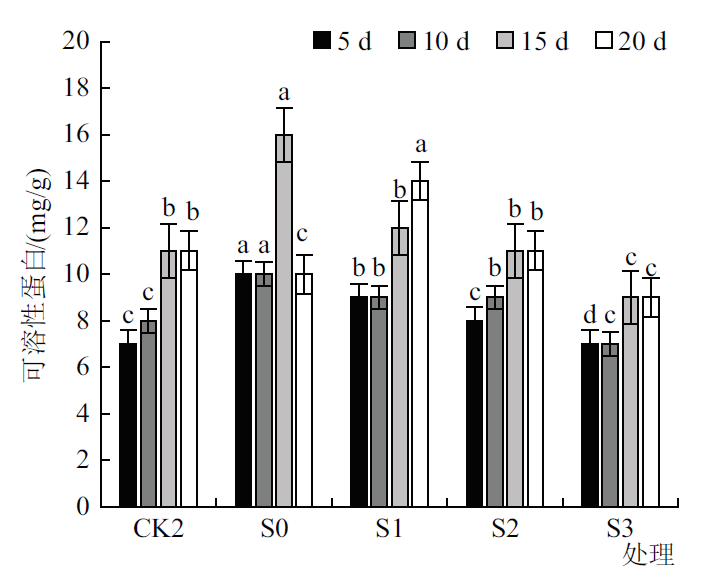
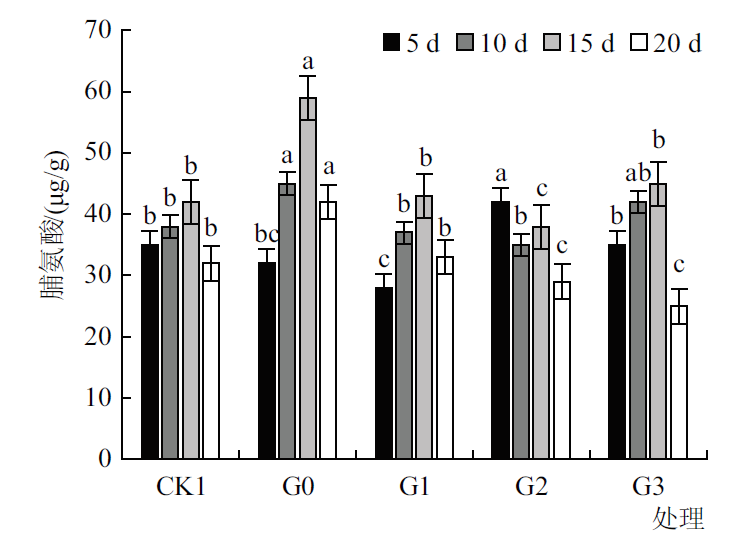
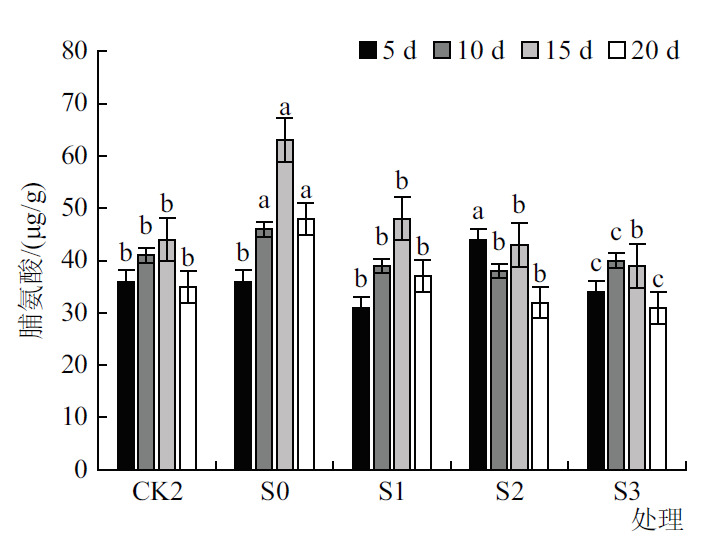
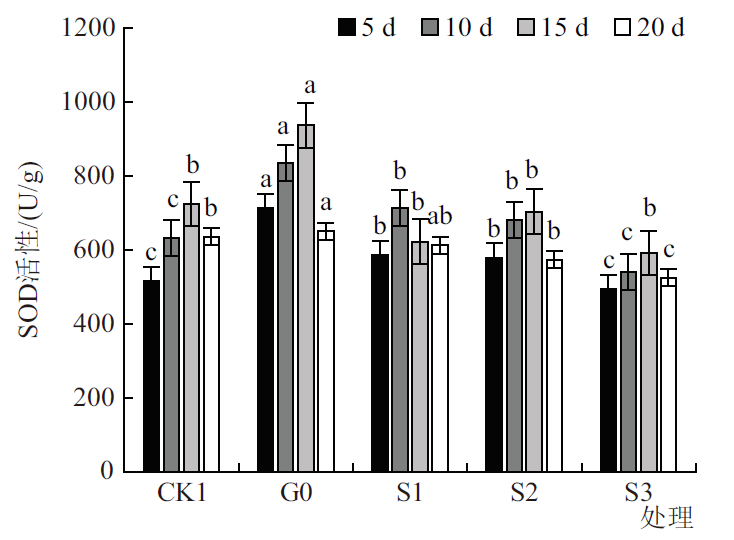
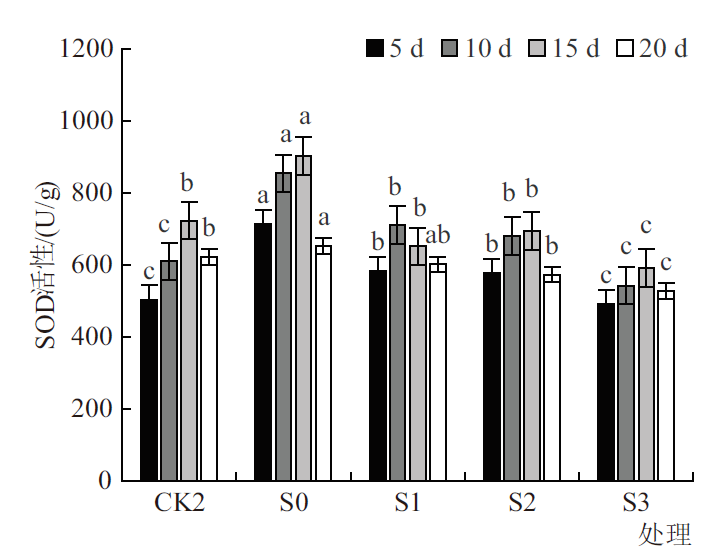
探究赤霉素(GA3)与水杨酸(SA)在盐胁迫条件下对万寿菊种子萌发与幼苗生长的调控效应,为盐碱地万寿菊栽培中植物激素的应用提供理论依据。以色素万寿菊为试材,采用盆栽灌根模拟植株盐胁迫(80 mmol/L)生长环境,设置清水和盐胁迫处理,并通过种子浸种+幼苗期外源喷施赤霉素(GA3,100、200、400 mg/L)和水杨酸(SA,200、400、600 mg/L),系统研究其对万寿菊种子萌发、幼苗生长和生理特性的影响。结果表明,200 mg/L赤霉素处理(G2)使盐胁迫下的万寿菊种子发芽率大幅增加了45.0%,且发芽势、发芽指数和活力指数分别提高了7.92、1.45、3.23倍,平均发芽时间提前了0.74 d,同时使幼苗胚根长、根冠比分别显著增加了22.3%、27.5%,并增加了植株生物量和含水量。400 mg/L水杨酸处理(S2)使万寿菊在盐胁迫下的发芽势、发芽指数、活力指数分别提高了7.93、1.37、4.47倍,幼苗的长度、胚根长度、根冠比分别增加了6.3%、12.1%和28.4%。而当GA3和SA浓度超过G2和S2时,其促进效应有所减弱。此外,GA3和SA可通过提升可溶性蛋白含量和超氧化物歧化酶(SOD)活性,同时抑制可溶性糖、脯氨酸等渗透调节物质的积累,从而有效缓解盐胁迫对万寿菊种子萌发和幼苗生长的抑制作用。综上,种子浸种和外源喷施GA3和SA有利于促进盐胁迫下万寿菊种子萌发及幼苗的生长,其中200 mg/L的GA3和400 mg/L的SA处理效果最佳。
中图分类号:
王亚楠, 李涛, 何世昊, 帕丽努尔·艾外力, 王嘉丰, 王鑫, 李志元, 秦勇. 赤霉素和水杨酸对盐胁迫下万寿菊种子萌发、幼苗生长及生理的影响[J]. 中国农学通报, 2026, 42(16): 100-109.
WANG Yanan, LI Tao, HE Shihao, PALINUR·Aiwaili, WANG Jiafeng, WANG Xin, LI Zhiyuan, QIN Yong. Effects of Gibberellin and Salicylic Acid on Germination, Seedling Growth and Physiology of Tagetes erecta Under Salt Stress[J]. Chinese Agricultural Science Bulletin, 2026, 42(16): 100-109.
| 处理 | 激素处理水平 |
|---|---|
| CK1 | 清水 |
| G0 | 盐处理 |
| G1 | 盐处理+100 mg/L GA3 |
| G2 | 盐处理+200 mg/L GA3 |
| G3 | 盐处理+400 mg/L GA3 |
| CK2 | 清水 |
| S0 | 盐处理 |
| S1 | 盐处理+200 mg/L SA |
| S2 | 盐处理+400 mg/L SA |
| S3 | 盐处理+600 mg/L SA |
| 处理 | 激素处理水平 |
|---|---|
| CK1 | 清水 |
| G0 | 盐处理 |
| G1 | 盐处理+100 mg/L GA3 |
| G2 | 盐处理+200 mg/L GA3 |
| G3 | 盐处理+400 mg/L GA3 |
| CK2 | 清水 |
| S0 | 盐处理 |
| S1 | 盐处理+200 mg/L SA |
| S2 | 盐处理+400 mg/L SA |
| S3 | 盐处理+600 mg/L SA |
| 处理编号 | 起始萌发日/d | 发芽率/% | 发芽势/% | 发芽指数 | 活力指数 | 平均发芽时间/d |
|---|---|---|---|---|---|---|
| CK1 | 3 | 49.32±2.34b | 5.00±0.38f | 21.36±2.83d | 5.94±0.64e | 10.67±0.37a |
| G0 | 4 | 38.22±3.25d | 4.00±0.45e | 18.34±1.58e | 4.56±0.62f | 9.69±0.12b |
| G1 | 4 | 43.36±4.12c | 22.67±2.45d | 35.94±3.24c | 15.82±1.82c | 9.33±0.14c |
| G2 | 4 | 55.42±3.84a | 35.67±3.22c | 44.86±3.62a | 19.28±1.63b | 8.95±0.13d |
| G3 | 4 | 52.35±4.77ab | 31.33±2.84b | 40.36±4.05b | 13.93±1.23d | 9.13±0.12d |
| CK2 | 3 | 44.57±2.15b | 6.00±0.25f | 22.30±2.58d | 5.58±0.28e | 10.38±0.18a |
| S0 | 4 | 39.26±3.47d | 4.33±0.16e | 19.18±1.49e | 4.72±0.36f | 9.36±0.24c |
| S1 | 4 | 38.76±3.92d | 35.33±3.81b | 37.94±3.28c | 17.45±1.48b | 9.03±0.03d |
| S2 | 4 | 38.39±2.74d | 38.67±2.62a | 45.37±4.81a | 25.81±2.47a | 9.34±0.12c |
| S3 | 4 | 38.12±4.55d | 34.00±3.28b | 42.04±3.92a | 16.42±1.35b | 9.42±0.17c |
| 处理编号 | 起始萌发日/d | 发芽率/% | 发芽势/% | 发芽指数 | 活力指数 | 平均发芽时间/d |
|---|---|---|---|---|---|---|
| CK1 | 3 | 49.32±2.34b | 5.00±0.38f | 21.36±2.83d | 5.94±0.64e | 10.67±0.37a |
| G0 | 4 | 38.22±3.25d | 4.00±0.45e | 18.34±1.58e | 4.56±0.62f | 9.69±0.12b |
| G1 | 4 | 43.36±4.12c | 22.67±2.45d | 35.94±3.24c | 15.82±1.82c | 9.33±0.14c |
| G2 | 4 | 55.42±3.84a | 35.67±3.22c | 44.86±3.62a | 19.28±1.63b | 8.95±0.13d |
| G3 | 4 | 52.35±4.77ab | 31.33±2.84b | 40.36±4.05b | 13.93±1.23d | 9.13±0.12d |
| CK2 | 3 | 44.57±2.15b | 6.00±0.25f | 22.30±2.58d | 5.58±0.28e | 10.38±0.18a |
| S0 | 4 | 39.26±3.47d | 4.33±0.16e | 19.18±1.49e | 4.72±0.36f | 9.36±0.24c |
| S1 | 4 | 38.76±3.92d | 35.33±3.81b | 37.94±3.28c | 17.45±1.48b | 9.03±0.03d |
| S2 | 4 | 38.39±2.74d | 38.67±2.62a | 45.37±4.81a | 25.81±2.47a | 9.34±0.12c |
| S3 | 4 | 38.12±4.55d | 34.00±3.28b | 42.04±3.92a | 16.42±1.35b | 9.42±0.17c |
| 主成分 | 初始特征值 | 提取载荷平方和 | |||||
|---|---|---|---|---|---|---|---|
| 总计 | 方差百分比/% | 累积贡献率/% | 总计 | 方差百分比/% | 累积贡献率/% | ||
| 1 | 9.0643 | 81.673 | 81.673 | 9.0643 | 82.704 | 81.673 | |
| 2 | 1.335 | 9.216 | 92.570 | 1.037 | 9.216 | 92.570 | |
| 3 | 0.492 | 4.265 | 96.463 | ||||
| 4 | 0.174 | 1.327 | 98.082 | ||||
| 5 | 0.119 | 1.096 | 99.294 | ||||
| 6 | 0.039 | 0.436 | 99.583 | ||||
| 7 | 0.027 | 0.267 | 99.983 | ||||
| 8 | 0.0012 | 0.02 | 99.997 | ||||
| 9 | 0 | 0.003 | 99.999 | ||||
| 10 | 0 | 0.001 | 100 | ||||
| 11 | 0 | 0.0000137 | 100 | ||||
| 主成分 | 初始特征值 | 提取载荷平方和 | |||||
|---|---|---|---|---|---|---|---|
| 总计 | 方差百分比/% | 累积贡献率/% | 总计 | 方差百分比/% | 累积贡献率/% | ||
| 1 | 9.0643 | 81.673 | 81.673 | 9.0643 | 82.704 | 81.673 | |
| 2 | 1.335 | 9.216 | 92.570 | 1.037 | 9.216 | 92.570 | |
| 3 | 0.492 | 4.265 | 96.463 | ||||
| 4 | 0.174 | 1.327 | 98.082 | ||||
| 5 | 0.119 | 1.096 | 99.294 | ||||
| 6 | 0.039 | 0.436 | 99.583 | ||||
| 7 | 0.027 | 0.267 | 99.983 | ||||
| 8 | 0.0012 | 0.02 | 99.997 | ||||
| 9 | 0 | 0.003 | 99.999 | ||||
| 10 | 0 | 0.001 | 100 | ||||
| 11 | 0 | 0.0000137 | 100 | ||||
| 处理编号 | 第1主成分 | 第2主成分 | 综合得分 | 综合排名 | |||
|---|---|---|---|---|---|---|---|
| 得分 | 排名 | 得分 | 排名 | ||||
| CK2 | -0.16 | 8 | -0.34 | 8 | -0.5 | 8 | |
| CK1 | -0.14 | 7 | -0.31 | 7 | -0.47 | 7 | |
| G0 | -3.55 | 10 | -2.13 | 9 | -5.68 | 10 | |
| G1 | 1.65 | 4 | 2.94 | 2 | 4.59 | 3 | |
| G2 | 4.09 | 2 | 3.29 | 1 | 7.38 | 2 | |
| G3 | 0.78 | 6 | 0.62 | 6 | 1.4 | 6 | |
| S0 | -0.95 | 9 | -2.19 | 10 | -3.14 | 9 | |
| S1 | 1.84 | 3 | 1.94 | 3 | 3.78 | 4 | |
| S2 | 5.94 | 1 | 1.84 | 4 | 7.78 | 1 | |
| S3 | 0.83 | 5 | 1.64 | 5 | 2.47 | 5 | |
| 处理编号 | 第1主成分 | 第2主成分 | 综合得分 | 综合排名 | |||
|---|---|---|---|---|---|---|---|
| 得分 | 排名 | 得分 | 排名 | ||||
| CK2 | -0.16 | 8 | -0.34 | 8 | -0.5 | 8 | |
| CK1 | -0.14 | 7 | -0.31 | 7 | -0.47 | 7 | |
| G0 | -3.55 | 10 | -2.13 | 9 | -5.68 | 10 | |
| G1 | 1.65 | 4 | 2.94 | 2 | 4.59 | 3 | |
| G2 | 4.09 | 2 | 3.29 | 1 | 7.38 | 2 | |
| G3 | 0.78 | 6 | 0.62 | 6 | 1.4 | 6 | |
| S0 | -0.95 | 9 | -2.19 | 10 | -3.14 | 9 | |
| S1 | 1.84 | 3 | 1.94 | 3 | 3.78 | 4 | |
| S2 | 5.94 | 1 | 1.84 | 4 | 7.78 | 1 | |
| S3 | 0.83 | 5 | 1.64 | 5 | 2.47 | 5 | |
| [1] |
孙晨. 3种植物生长调节剂对百日草及万寿菊生长发育的影响[D]. 长春: 吉林农业大学, 2018.
|
| [2] |
胡文悦. 槲皮万寿菊素对氧化应激肉鸡肉品质、肌肉氧化还原状态和盲肠微生物的影响[D]. 保定: 河北农业大学, 2025.
|
| [3] |
马雪璟, 唐楠, 唐道城, 等. 万寿菊杂交F1代杂种优势及遗传变异分析[J]. 种子, 2024, 43(9):78-85.
|
| [4] |
周膂卓, 常宗强, 吴雨霞. 连古城自然保护区3种盐爪爪属(Kalidium)植物根际土壤细菌群落结构[J]. 中国沙漠, 2025(1):1-10.
|
| [5] |
杨靖, 王欣. ZF-HD、NHX在植物/苹果盐胁迫中的研究进展[J]. 邯郸职业技术学院学报, 2024, 37(4):29-32.
|
| [6] |
孟庆果, 李玲, 高广增, 等. 球毛壳菌ND35对盐胁迫下辣椒幼苗生长和生理特性的影响[J]. 山东农业科学, 2024, 56(12):47-53.
|
| [7] |
刘澳, 张雅婧, 陈己任. 盐胁迫下月季的生长发育及生理生态学研究进展[J]. 农业与技术, 2024, 44(22):117-120.
|
| [8] |
唐红, 薛娜娜, 陶宣霖, 等. 赤霉素和褪黑素对盐碱胁迫下紫斑牡丹幼苗生长及生理特性的影响[J]. 西北农林科技大学学报(自然科学版), 2026(5):1-10.
|
| [9] |
王俊斌, 王海凤, 刘海学. 水杨酸促进盐胁迫条件下水稻种子萌发的机理研究[J]. 华北农学报, 2012, 27(4):223-227.
doi: 10.3969/j.issn.1000-7091.2012.04.043 |
| [10] |
曾成城, 秦芳, 李琴, 等. 外源施硅和水杨酸对盐胁迫下甜瓜幼苗生理特性的影响[J]. 中国瓜菜, 2025, 38(5):125-131.
|
| [11] |
贾述林, 张玉苗, 王凤垚, 等. 水杨酸对盐胁迫下不同饲草种子萌发的影响[J]. 山东农业大学学报(自然科学版), 2025, 56(5):841-848.
|
| [12] |
王静, 蒋倩, 陶田田, 等. 外源钙对盐碱胁迫下万寿菊生长及光合特性的影响[J]. 西北植物学报, 2024, 44(9):1345-1354.
|
| [13] |
韦朝妹, 胡小京, 莫幻. 外源赤霉素对盐胁迫下万寿菊种子萌发与幼苗生长的影响[J]. 北方园艺, 2022(16):69-75.
|
| [14] |
曹智, 郭志英, 林振华, 等. SA和GA3浸种对盐胁迫下青蒿种子萌发及幼苗生长的影响[J]. 北方园艺, 2024(21):76-83.
|
| [15] |
doi: 10.1016/0003-2697(76)90527-3 URL |
| [16] |
doi: 10.1080/01904160903434287 URL |
| [17] |
doi: 10.1007/BF02275480 URL |
| [18] |
doi: 10.1016/j.plantsci.2004.06.027 URL |
| [19] |
许人颖, 罗梓豪, 包心蕊, 等. 新疆17个主推棉花品种萌发期及幼苗期耐盐性鉴定[J]. 中国棉花, 2024, 51(10):25-31.
|
| [20] |
张晓婷, 刘培源, 田媛, 等. 盐胁迫对玉米毛状根植株根系及光合作用的影响[J]. 江苏农业科学, 2020, 48(15):95-99.
|
| [21] |
殷缘, 程爽, 刘定豪, 等. 外源过氧化氢(H2O2)影响非生物胁迫下植物生长与生理代谢机制的研究进展[J]. 生物技术通报, 2025, 41(1):1-13.
doi: 10.13560/j.cnki.biotech.bull.1985.2024-0590 |
| [22] |
宋繁. 宁夏枸杞响应盐胁迫的蛋白质琥珀酰化修饰调控机制研究[D]. 银川: 宁夏大学, 2023.
|
| [23] |
doi: 10.1016/j.tplants.2020.06.008 pmid: 32675014 |
| [24] |
doi: 10.1146/annurev-arplant-050718-100309 pmid: 32017604 |
| [25] |
宁陈宁, 林小兰, 李俊, 等. 采前赤霉素处理对‘石硖’龙眼常温贮藏性的影响[J]. 现代食品科技, 2025, 41(2):153-166.
|
| [1] | 张亚斐, 张成才, 代晓雨, 张小波, 王升, 乔萍, 汪奕衡, 孙嘉惠. 甜茶组培快繁技术体系的建立[J]. 中国农学通报, 2026, 42(9): 138-144. |
| [2] | 李婷婷, 张建成, 迟晓元, 姜骁, 刘晓芹. 花生胚小叶高效离体再生体系的建立与优化[J]. 中国农学通报, 2026, 42(9): 145-154. |
| [3] | 黄英梅, 吴家龙, 梁永鑫, 梁春梅, 张俊涛. 鱼蛋白肥对三角梅的生长和土壤养分的影响[J]. 中国农学通报, 2026, 42(9): 48-58. |
| [4] | 徐名伟, 冯国军, 刘大军, 刘畅, 闫志山, 张泰丰, 徐镝, 杨晓旭. 耐盐促生菌的筛选及对盐胁迫下菜豆生长的影响[J]. 中国农学通报, 2026, 42(9): 59-67. |
| [5] | 刘雪玲, 梁博铨, 姚彬, 杨云海, 展澈, 申时才, 张付斗, 杨韶松, 郑凤萍, 孔燕, 袁静静, 闫培睿, 闫茂鹏, 徐高峰. 油菜根系分泌物对4种农田入侵杂草的化感作用研究[J]. 中国农学通报, 2026, 42(8): 183-190. |
| [6] | 毕言亮, 齐仕涵, 李琼玮, 邹晓霞, 司彤. 种衣剂促进花生种子低温下萌发和幼苗生长的生理机制[J]. 中国农学通报, 2026, 42(8): 44-52. |
| [7] | 徐芬芬, 韩金多. 外源EBR调控大豆幼苗抗旱的根系响应[J]. 中国农学通报, 2026, 42(8): 53-59. |
| [8] | 李国龙, 陆钊华, 姚洁玲, 马留银, 杨德明, 徐建民, 胡志康, 张云东, 熊珊, 李光友. 修枝对桉树107无性系生长及碳汇效益的影响[J]. 中国农学通报, 2026, 42(7): 70-76. |
| [9] | 王剑豪, 彭洋洋, 王思思, 刘海军, 潘梓恒, 李欣阳, 何焕清, 徐江, 肖自添, 廖楠, 刘明. 芦竹基质替代对草菇生长特性及营养积累的影响[J]. 中国农学通报, 2026, 42(7): 85-91. |
| [10] | 程凡一, 周启轩, 兰凌恺, 张若曦, 尹一迪, 侯博寒, 多良玉, 顾嘉庚, 姚奕铎, 张梓烁, 郎徐平. 缺钾胁迫对枸杞幼苗生长及抗氧化特性的影响[J]. 中国农学通报, 2026, 42(7): 92-96. |
| [11] | 彭翠仙, 王灿, 杨玉玲, 李玲, 李桂琳, 孙宏伟, 陶永宏. 不同生长年限野生叠鞘石斛根际土壤微生物群落的结构特征[J]. 中国农学通报, 2026, 42(7): 130-140. |
| [12] | 刘星雨, 徐海军, 王晓飞, 吴青松, 郑歆然, 刘淑霞, 肖宇, 关向军. 北方地区2种黄芪不同生长期药材品质变化分析[J]. 中国农学通报, 2026, 42(7): 30-37. |
| [13] | 张东东, 张本强, 冯俊喜, 张杨, 赵洪东, 魏诚, 刘树伟, 董小卫, 李锡坤. 水分供应对高海拔烟区‘红花大金元’叶片物理特性的影响[J]. 中国农学通报, 2026, 42(7): 38-47. |
| [14] | 赵成坤, 陈亮, 时向东, 李蒙旭, 吕尚举, 曹缠华, 丁松爽, 杨占伟. 氮肥用量对温室栽培茄衣烟株生长发育和烟叶品质的影响[J]. 中国农学通报, 2026, 42(7): 48-54. |
| [15] | 刘世晗, 程林林, 骆丝婷. 古树后续资源健康状况评价与分析——以黄葛树为例[J]. 中国农学通报, 2026, 42(7): 62-69. |
| 阅读次数 | ||||||
|
全文 |
|
|||||
|
摘要 |
|
|||||
