欢迎访问《中国农学通报》,

中国农学通报 ›› 2026, Vol. 42 ›› Issue (1): 159-166.doi: 10.11924/j.issn.1000-6850.casb2025-0440
所属专题: 生物技术
赵珮1( ), 宋长贵1, 谢勇1, 王梅1, 马婧秋1, 吴均1, 黄越1, 何佳洋2(), 王晓静1()
收稿日期:2025-05-30
修回日期:2025-11-05
出版日期:2026-01-15
发布日期:2026-01-15
通讯作者:
作者简介:赵珮,女,1988年出生,甘肃白银人,高级农艺师,硕士研究生,研究方向:蚕桑综合利用与开发、果桑栽培配套技术。通信地址:400700 重庆市北碚区东阳街道上坝路1号 重庆市蚕业科学技术研究院,Tel:023-68276002,E-mail:694661275@qq.com。
基金资助:
ZHAO Pei1(), SONG Changgui1, XIE Yong1, WANG Mei1, MA Jingqiu1, WU Jun1, HUANG Yue1, HE Jiayang2(), WANG Xiaojing1()
Received:2025-05-30
Revised:2025-11-05
Published:2026-01-15
Online:2026-01-15
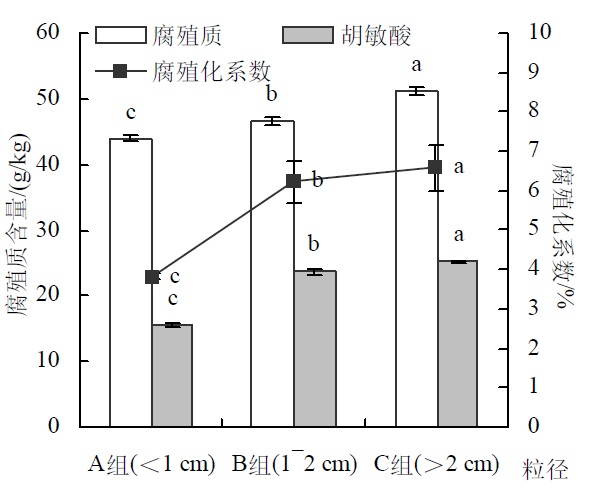
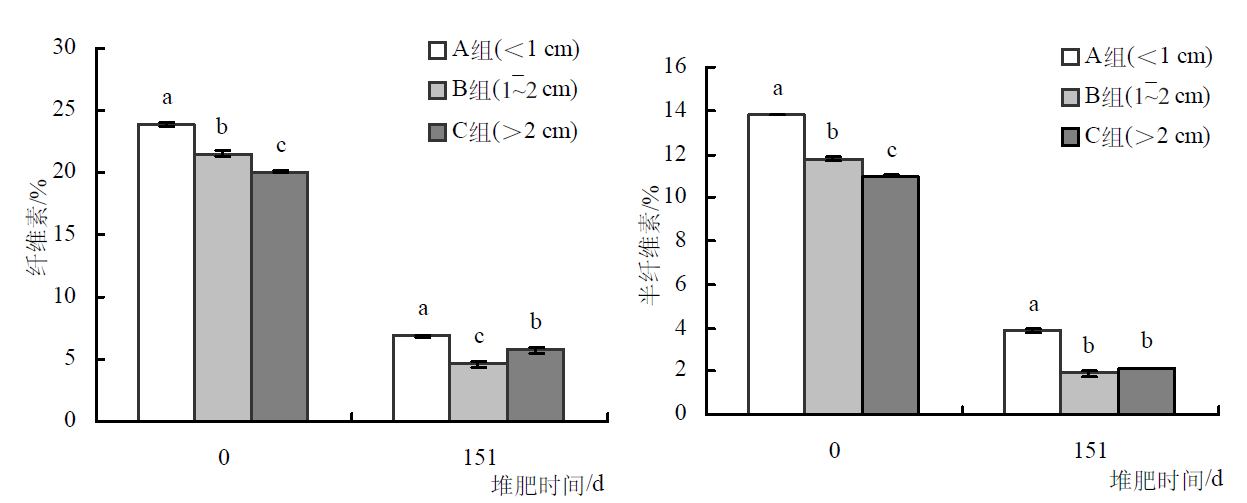
摘要: 为促进蚕桑副产物资源化利用,以等质量混合的桑枝和蚕沙为原料进行堆肥,探讨桑枝初始粒径对堆肥过程及腐熟效果的影响。结果表明,小粒径桑枝(<1 cm)可更好提高堆体积温并维持堆体温度,有效促进有机碳的降解;较大粒径桑枝(>1 cm)的堆体具有适宜的容重,在堆肥过程中能够显著促进半纤维素、纤维素的降解,C/N下降幅度大,从而使有机物质分解更彻底,腐熟效率高。堆肥结束后,其中C组(粒径>2 cm)堆体的腐殖质、速效氮磷钾含量及总磷钾含量均显著高于其他组别,表明其堆肥品质最佳。综合来看,桑枝蚕沙堆体(等质量混合)桑枝碎段控制在2~7 cm有助于(半)纤维素的降解和堆肥品质的提高。
赵珮, 宋长贵, 谢勇, 王梅, 马婧秋, 吴均, 黄越, 何佳洋, 王晓静. 粒径对蚕桑副产物堆肥过程及腐熟效果的影响[J]. 中国农学通报, 2026, 42(1): 159-166.
ZHAO Pei, SONG Changgui, XIE Yong, WANG Mei, MA Jingqiu, WU Jun, HUANG Yue, HE Jiayang, WANG Xiaojing. Effects of Particle Size on Composting Process and Compost Maturity of Sericulture Byproducts[J]. Chinese Agricultural Science Bulletin, 2026, 42(1): 159-166.
| 物料名称 | pH | 碳/% | 全氮/% | 碳氮比 | 有效氮/(mg/kg) | 有效磷/(mg/kg) | 速效钾/(mg/kg) | 含水量/% |
|---|---|---|---|---|---|---|---|---|
| 果桑枝条 | 7.37 | 49.80 | 1.09 | 45.8 | 35.42 | 1.63 | 32.83 | 9.57 |
| 蚕沙 | 10.57 | 24.45 | 2.82 | 8.68 | 89.15 | 29.36 | 103.28 | 68.10 |
| 物料名称 | pH | 碳/% | 全氮/% | 碳氮比 | 有效氮/(mg/kg) | 有效磷/(mg/kg) | 速效钾/(mg/kg) | 含水量/% |
|---|---|---|---|---|---|---|---|---|
| 果桑枝条 | 7.37 | 49.80 | 1.09 | 45.8 | 35.42 | 1.63 | 32.83 | 9.57 |
| 蚕沙 | 10.57 | 24.45 | 2.82 | 8.68 | 89.15 | 29.36 | 103.28 | 68.10 |
| 处理 | 1 d | 39 d | 82 d | 151 d |
|---|---|---|---|---|
| A组(<1 cm) | 22.87±0.5084b | 16.75±0.4600b | 17.03±0.0053b | 12.85±0.0783c |
| B组(1~2 cm) | 28.40±0.0546a | 17.93±0.0484a | 18.10±0.2007a | 14.82±0.2043a |
| C组(>2 cm) | 27.87±0.5112a | 16.61±0.1891b | 16.88±0.0012b | 13.79±0.0448b |
| 处理 | 1 d | 39 d | 82 d | 151 d |
|---|---|---|---|---|
| A组(<1 cm) | 22.87±0.5084b | 16.75±0.4600b | 17.03±0.0053b | 12.85±0.0783c |
| B组(1~2 cm) | 28.40±0.0546a | 17.93±0.0484a | 18.10±0.2007a | 14.82±0.2043a |
| C组(>2 cm) | 27.87±0.5112a | 16.61±0.1891b | 16.88±0.0012b | 13.79±0.0448b |
| 养分 | 时期 | A组(<1 cm) | B组(1~2 cm) | C组(>2 cm) |
|---|---|---|---|---|
| 有机质/(g/kg) | 堆肥前 | 742.73±1.4492b | 753.50±0.6142b | 793.04±0.6322a |
| 堆肥结束 | 698.04±0.4149a | 654.69±0.3933b | 658.55±0.3251b | |
| 全氮/(g/kg) | 堆肥前 | 17.50±0.0388a | 14.47±0.0026b | 14.96±0.0267b |
| 堆肥结束 | 23.19±0.0136a | 20.83±0.0291b | 21.67±0.0007b | |
| 全磷/(g/kg) | 堆肥前 | 5.30±0.1026b | 5.56±0.0054a | 5.46±0.1226a |
| 堆肥结束 | 9.02±0.2696b | 8.56±0.3799b | 11.04±0.2501a | |
| 全钾/(g/kg) | 堆肥前 | 20.74±0.0303a | 16.54±0.0001b | 16.33±0.0267b |
| 堆肥结束 | 17.80±0.0052c | 21.31±0.0264b | 22.93±0.0424a | |
| 总养分/(g/kg) | 堆肥前 | 43.54±0.2223a | 36.57±0.1380b | 36.75±0.1173b |
| 堆肥结束 | 50.01±0.1173b | 50.7±0.0686b | 55.64±0.0188a | |
| 碱解氮/(mg/kg) | 堆肥前 | 69.08±0.0018b | 79.70±0.0035a | 71.44±0.0005b |
| 堆肥结束 | 61.40±0.0421c | 84.43±0.0050b | 93.28±0.0004a | |
| 有效磷/(mg/kg) | 堆肥前 | 12.58±0.0280c | 14.25±0.0019b | 15.36±0.0010a |
| 堆肥结束 | 17.21±0.0239b | 13.23±0.0080c | 24.82±0.0005a | |
| 速效钾/(mg/kg) | 堆肥前 | 78.47±0.0136a | 63.09±0.0206b | 56.64±0.0052c |
| 堆肥结束 | 64.58±0.0486c | 81.45±0.0055b | 87.90±0.0605a | |
| 总速效养分/(g/kg) | 堆肥前 | 160.13±0.0732a | 157.04±0.0463b | 143.44±0.0686c |
| 堆肥结束 | 143.19±0.0970c | 179.11±0.0973b | 206.00±0.0463a |
| 养分 | 时期 | A组(<1 cm) | B组(1~2 cm) | C组(>2 cm) |
|---|---|---|---|---|
| 有机质/(g/kg) | 堆肥前 | 742.73±1.4492b | 753.50±0.6142b | 793.04±0.6322a |
| 堆肥结束 | 698.04±0.4149a | 654.69±0.3933b | 658.55±0.3251b | |
| 全氮/(g/kg) | 堆肥前 | 17.50±0.0388a | 14.47±0.0026b | 14.96±0.0267b |
| 堆肥结束 | 23.19±0.0136a | 20.83±0.0291b | 21.67±0.0007b | |
| 全磷/(g/kg) | 堆肥前 | 5.30±0.1026b | 5.56±0.0054a | 5.46±0.1226a |
| 堆肥结束 | 9.02±0.2696b | 8.56±0.3799b | 11.04±0.2501a | |
| 全钾/(g/kg) | 堆肥前 | 20.74±0.0303a | 16.54±0.0001b | 16.33±0.0267b |
| 堆肥结束 | 17.80±0.0052c | 21.31±0.0264b | 22.93±0.0424a | |
| 总养分/(g/kg) | 堆肥前 | 43.54±0.2223a | 36.57±0.1380b | 36.75±0.1173b |
| 堆肥结束 | 50.01±0.1173b | 50.7±0.0686b | 55.64±0.0188a | |
| 碱解氮/(mg/kg) | 堆肥前 | 69.08±0.0018b | 79.70±0.0035a | 71.44±0.0005b |
| 堆肥结束 | 61.40±0.0421c | 84.43±0.0050b | 93.28±0.0004a | |
| 有效磷/(mg/kg) | 堆肥前 | 12.58±0.0280c | 14.25±0.0019b | 15.36±0.0010a |
| 堆肥结束 | 17.21±0.0239b | 13.23±0.0080c | 24.82±0.0005a | |
| 速效钾/(mg/kg) | 堆肥前 | 78.47±0.0136a | 63.09±0.0206b | 56.64±0.0052c |
| 堆肥结束 | 64.58±0.0486c | 81.45±0.0055b | 87.90±0.0605a | |
| 总速效养分/(g/kg) | 堆肥前 | 160.13±0.0732a | 157.04±0.0463b | 143.44±0.0686c |
| 堆肥结束 | 143.19±0.0970c | 179.11±0.0973b | 206.00±0.0463a |
| [1] |
白雪, 何松涛, 李莉, 等. 广西桑枝蚕沙综合利用工程的实施成效及发展方向[J]. 广西农学报, 2014, 29(6):80-82.
|
| [2] |
袁琳. “虫”变“龙”的启示——广西蚕沙桑枝高效利用面面观[J]. 农家之友, 2014(8):11.
|
| [3] |
张璐. 园林绿化废弃物堆肥化的过程控制及其产品改良与应用研究[D]. 北京: 北京林业大学, 2015.
|
| [4] |
王亮. 城市垃圾好氧堆肥过程的动力学研究[D]. 长沙: 湖南大学,2006:30-35.
|
| [5] |
文昊深. 城市生活垃圾高温好氧堆肥工艺优化研究[D]. 重庆: 重庆大学,2004:35-38.
|
| [6] |
吴均, 黄传书, 刘艳, 赵珮, 等. 几种复合微生物发酵剂发酵废弃桑枝的比较研究[J]. 蚕学通讯, 2019, 39(3):9-14.
|
| [7] |
赵珮, 唐小平, 吴均, 等. 微生物及C/N比对果桑枝条堆肥腐熟的影响[J]. 农业工程, 2020, 10(6):51-56.
|
| [8] |
赵珮, 宋长贵, 吴均, 等. 添加鸡粪和菌剂对桑枝条堆肥腐熟效果及肥力的影响[J]. 蚕学通讯, 2023, 43(1):22-26.
|
| [9] |
李吉进. 畜禽粪便高温堆肥机理与应用研究[D]. 北京: 中国农业大学, 2004.
|
| [10] |
李磊, 王淑琦, 郭小平, 等. 初始粒径和外源添加剂对绿化废弃物堆肥腐熟效果的影响[J]. 环境工程学报, 2020, 14(10):2804-2812.
|
| [11] |
|
| [12] |
|
| [13] |
鲍士旦. 土壤农化分析(第3版)[M]. 北京: 中国农业出版社, 2000.
|
| [14] |
杨冬艳, 王丹, 桑婷, 等. 粉碎粒径对番茄和辣椒秸秆堆肥木质纤维素降解特征的影响[J]. 中国土壤与肥料, 2024(2):210-219.
|
| [15] |
王引权. 葡萄冬剪枝条高温堆制化机理研究[D]. 兰州: 甘肃农业大学, 2005.
|
| [16] |
|
| [17] |
|
| [18] |
doi: 10.1504/IJEWM.2012.044162 URL |
| [19] |
doi: 10.1002/clen.v41.7 URL |
| [20] |
王海候, 何胥, 陶玥玥, 等. 添加不同粒径炭基辅料改善猪粪好氧堆肥质量的效果[J]. 农业工程学报, 2018, 34(9):224-232.
|
| [21] |
顾娟, 齐希光, 李秀芬, 等. 固态微生物菌剂的制备及其在好氧堆肥中的应用[J]. 环境工程学报, 2020, 14(1):253-261.
|
| [22] |
赵珮, 高琴琼, 朱红艳, 等. 桑枝和蚕沙的基础成分测定及堆肥试验[J]. 蚕学通讯, 2024, 44(1):28-34.
|
| [23] |
金龙, 赵由才. 计算机与数学模型在固体废弃物处理与资源化中的应用[M]. 北京: 化学工业出版社, 2006.
|
| [24] |
doi: 10.1016/j.biortech.2011.09.009 pmid: 21978622 |
| [25] |
张高升. 城镇污泥粒径对蚯蚓堆肥的影响[D]. 兰州: 兰州交通大学, 2018
|
| [26] |
马秋颖, 王智, 徐道清, 等. 玉米秸秆收贮高效资源化利用模式分析[J]. 作物学报, 2017, 43(8):1190-1195.
|
| [27] |
张野, 王吉平, 苏天明, 等. 筛选微生物降解木质纤维素的研究进展[J]. 中国生物工程杂志, 2020, 40(6):100-105.
|
| [1] | 张志高, 王闯, 曾文欣, 黄旭民, 章慧芬, 尹冬, 王利兵, 许兴辉, 张红. 不同粪污类型对烟秆好氧发酵过程的影响[J]. 中国农学通报, 2026, 42(9): 68-75. |
| [2] | 张洁, 邵文奇, 马洪波, 陈川, 章安康, 李传哲. 缓释氮肥对江苏水稻产量及肥料利用率的影响[J]. 中国农学通报, 2026, 42(8): 104-109. |
| [3] | 颜宏, 陈太春, 冯志珍, 陈志杰, 徐进, 许西梅, 董振, 付博. 耕作措施对小麦土壤理化性质、微生物群落及产量的影响[J]. 中国农学通报, 2026, 42(8): 110-119. |
| [4] | 麦逸辰, 罗晓亮, 李虹. 酒泉市高原夏菜尾菜堆肥模式探索[J]. 中国农学通报, 2026, 42(8): 128-132. |
| [5] | 李政葵, 夏玉红, 赵莎, 韩天凯, 孙龙, 刘嘉欣, 陈敏. 黄河水滴灌协同土壤调理技术对土壤理化性质及玉米产量的影响[J]. 中国农学通报, 2026, 42(6): 102-110. |
| [6] | 朱谣, 王顺旺, 袁露溢, 李万仙, 李永辉, 王昌梅, 吴凯, 蒋金和, 张无敌, 尹芳. 尾菜沼液灌溉量对食叶草产量品质、土壤酶活性及养分的影响[J]. 中国农学通报, 2026, 42(4): 139-145. |
| [7] | 陈宝珠, 黄继川, 许杨贵, 彭一平, 李珠娴, 梁健仪, 钟文亮, 晏育伟, 涂玉婷. 不同轮作模式对迟菜心种植土壤微生态的影响[J]. 中国农学通报, 2026, 42(2): 93-102. |
| [8] | 陆通, 吉翠梅, 楚秀丽, 刘雅, 谢立生, 周亮亮, 王闯. 不同物料添加对园林废弃物堆肥过程理化性质的影响[J]. 中国农学通报, 2026, 42(12): 103-108. |
| [9] | 冯志珍, 陈太春, 颜宏, 陈志杰, 李英梅, 徐进, 郭欢, 秦涛, 付博. 小麦茎基腐病发病与健康土壤理化性质和微生物群落结构比较分析[J]. 中国农学通报, 2026, 42(12): 109-118. |
| [10] | 张冬敏, 黄婉莉, 陈心怡, 张朝坤, 肖世伟. 毛叶枣-大豆间作模式对毛叶枣土壤养分及果实品质的影响[J]. 中国农学通报, 2026, 42(1): 153-158. |
| [11] | 张苗, 董青君, 谢昶琰, 李青, 李传哲, 孙春梅, 章安康, 陈川. 芡实果皮废弃物好氧堆肥特征及其对小白菜生长的影响[J]. 中国农学通报, 2025, 41(5): 95-102. |
| [12] | 王昕, 朱长宽, 谢云超, 姜瑶, 金冉冉, 张俊鹏. 滴灌水肥一体化技术发展与思考[J]. 中国农学通报, 2025, 41(35): 147-155. |
| [13] | 班彩鑫, 萨如拉, 邰继承, 赵廷超, 李安宁, 武程程, 阿润图雅. 厨余垃圾堆肥对间作土壤酶活性及玉米花生生理特性的影响[J]. 中国农学通报, 2025, 41(33): 74-80. |
| [14] | 吴家龙, 黄雅芸, 梁春梅, 阮燕珠, 许昌超. 农林废弃物堆肥渗沥液替代部分化肥对园林苗木长势和土壤养分的影响[J]. 中国农学通报, 2025, 41(32): 46-53. |
| [15] | 郑萍, 刘佳莉, 何鑫, 王羽萱, 杜洁, 穆立蔷. 自然堆腐条件下园林废弃物高效纤维素降解菌筛选与鉴定[J]. 中国农学通报, 2025, 41(30): 90-96. |
| 阅读次数 | ||||||
|
全文 |
|
|||||
|
摘要 |
|
|||||
