Welcome to Chinese Agricultural Science Bulletin,

Chinese Agricultural Science Bulletin ›› 2026, Vol. 42 ›› Issue (9): 130-137.doi: 10.11924/j.issn.1000-6850.casb2025-0633
Previous Articles Next Articles
YI Yong( ), LI Minhua
Received:2025-07-25
Revised:2026-02-13
Online:2026-05-15
Published:2026-05-15
CLC Number:
YI Yong, LI Minhua. Evaluation Method and Classification of Climate Quality of Myrica rubra[J]. Chinese Agricultural Science Bulletin, 2026, 42(9): 130-137.
Add to citation manager EndNote|Ris|BibTeX
URL: https://www.casb.org.cn/EN/10.11924/j.issn.1000-6850.casb2025-0633
| 取样点 | 纬度/°N | 经度/°E | 海拔/m |
|---|---|---|---|
| 靖州县后山溪 | 26.5829 | 109.6977 | 326 |
| 靖州县铺口 | 26.5387 | 109.5688 | 327 |
| 靖州县坳上 | 26.6578 | 109.5952 | 420 |
| 洪江市罗岩 | 27.1207 | 109.5445 | 232 |
| 洪江市杉木桥 | 27.1123 | 109.6942 | 212 |
| 鹤城区杨村 | 27.5376 | 110.0090 | 234 |
| 鹤城区黄岩 | 27.4343 | 110.0596 | 848 |
| 鹤城区清水井 | 27.6126 | 110.0195 | 256 |
| 中方县花桥 | 27.6728 | 110.1727 | 327 |
| 中方县龙场 | 27.6507 | 110.2451 | 550 |
| 中方县泸阳 | 27.6127 | 110.1835 | 766 |
| 取样点 | 纬度/°N | 经度/°E | 海拔/m |
|---|---|---|---|
| 靖州县后山溪 | 26.5829 | 109.6977 | 326 |
| 靖州县铺口 | 26.5387 | 109.5688 | 327 |
| 靖州县坳上 | 26.6578 | 109.5952 | 420 |
| 洪江市罗岩 | 27.1207 | 109.5445 | 232 |
| 洪江市杉木桥 | 27.1123 | 109.6942 | 212 |
| 鹤城区杨村 | 27.5376 | 110.0090 | 234 |
| 鹤城区黄岩 | 27.4343 | 110.0596 | 848 |
| 鹤城区清水井 | 27.6126 | 110.0195 | 256 |
| 中方县花桥 | 27.6728 | 110.1727 | 327 |
| 中方县龙场 | 27.6507 | 110.2451 | 550 |
| 中方县泸阳 | 27.6127 | 110.1835 | 766 |
| 特级 | 一级 | 二级 | 其他 | ||
|---|---|---|---|---|---|
| 品质等级指数赋值 | 3 | 2 | 1 | 0 | |
| 荸荠杨梅 | SSC/% | SSC≥12.6 | 11.3≤SSC<12.6 | 10.5≤SSC<11.3 | SSC<10.5 |
| TA/% | TA≤1.0 | 1.0<TA≤1.2 | 1.2<TA≤1.5 | TA>1.5 | |
| 东魁杨梅 | SSC/% | SSC≥13.0 | 12.5≤SSC<13.0 | 12.0≤SSC<12.5 | SSC<12.0 |
| TA/% | TA≤1.0 | 1.0<TA≤1.3 | 1.3<TA≤1.5 | TA>1.5 | |
| 特级 | 一级 | 二级 | 其他 | ||
|---|---|---|---|---|---|
| 品质等级指数赋值 | 3 | 2 | 1 | 0 | |
| 荸荠杨梅 | SSC/% | SSC≥12.6 | 11.3≤SSC<12.6 | 10.5≤SSC<11.3 | SSC<10.5 |
| TA/% | TA≤1.0 | 1.0<TA≤1.2 | 1.2<TA≤1.5 | TA>1.5 | |
| 东魁杨梅 | SSC/% | SSC≥13.0 | 12.5≤SSC<13.0 | 12.0≤SSC<12.5 | SSC<12.0 |
| TA/% | TA≤1.0 | 1.0<TA≤1.3 | 1.3<TA≤1.5 | TA>1.5 | |
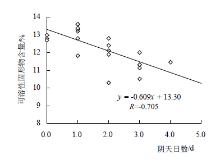
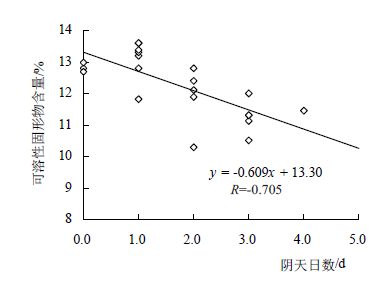
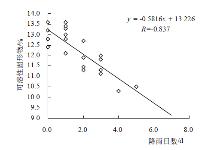
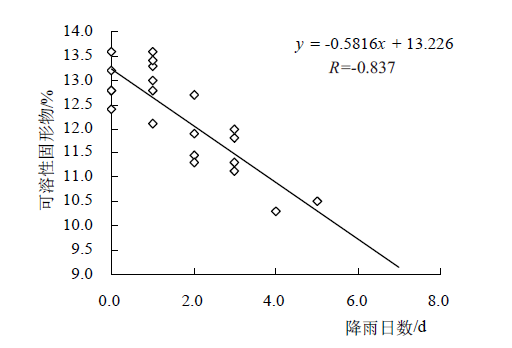
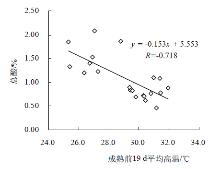
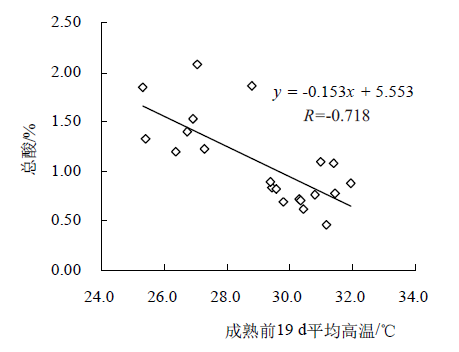
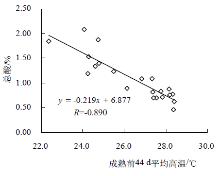
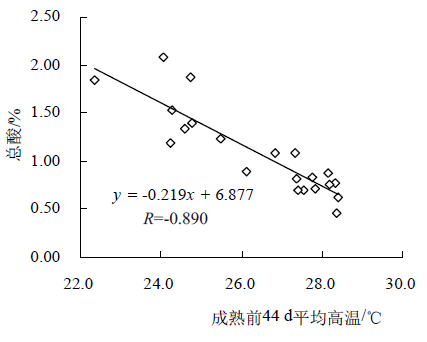
| 品质等级 | 等级赋值 | SSC范围/% | SSC气象指标范围 | TA范围/% | TA气象指标范围 | ||||
|---|---|---|---|---|---|---|---|---|---|
| D5C/d | D9P/d | Tmax19/℃ | Tmax44/℃ | ||||||
| 特级 | 3 | SSC≥12.6 | D5C≤1 | D9P≤1 | TA≤1.0 | Tmax19≥29.8 | Tmax44≥26.8 | ||
| 一级 | 2 | 11.3≤SSC<12.6 | 2≤D5C≤3 | 2≤D9P≤3 | 1.0<TA≤1.2 | 28.5≤Tmax19<29.8 | 25.9≤Tmax44<26.8 | ||
| 二级 | 1 | 10.5≤SSC<11.3 | D5C=4 | 4≤D9P≤5 | 1.2<TA≤1.5 | 26.5≤Tmax19<28.5 | 24.6≤Tmax44<25.9 | ||
| 其他 | 0 | SSC<10.5 | D5C=5 | D9P≥6 | TA>1.5 | Tmax19<26.5 | Tmax44<24.6 | ||
| 品质等级 | 等级赋值 | SSC范围/% | SSC气象指标范围 | TA范围/% | TA气象指标范围 | ||||
|---|---|---|---|---|---|---|---|---|---|
| D5C/d | D9P/d | Tmax19/℃ | Tmax44/℃ | ||||||
| 特级 | 3 | SSC≥12.6 | D5C≤1 | D9P≤1 | TA≤1.0 | Tmax19≥29.8 | Tmax44≥26.8 | ||
| 一级 | 2 | 11.3≤SSC<12.6 | 2≤D5C≤3 | 2≤D9P≤3 | 1.0<TA≤1.2 | 28.5≤Tmax19<29.8 | 25.9≤Tmax44<26.8 | ||
| 二级 | 1 | 10.5≤SSC<11.3 | D5C=4 | 4≤D9P≤5 | 1.2<TA≤1.5 | 26.5≤Tmax19<28.5 | 24.6≤Tmax44<25.9 | ||
| 其他 | 0 | SSC<10.5 | D5C=5 | D9P≥6 | TA>1.5 | Tmax19<26.5 | Tmax44<24.6 | ||
| 品质等级 | 等级赋值 | SSC范围/% | SSC气象指标范围 | TA范围/% | TA气象指标 | |
|---|---|---|---|---|---|---|
| Shour8/h | Tavg30/℃ | Tmax33/℃ | ||||
| 特级 | 3 | SSC≥13.0 | Shour8≥46.8 | TA≤1.0 | Tavg30≥23.9 | Tmax33≥28.7 |
| 一级 | 2 | 12.5≤SSC<13.0 | 27.7≤Shour8<46.8 | 1.0<TA≤1.3 | 22.6≤Tavg30<23.9 | 26.1≤Tmax33<28.7 |
| 二级 | 1 | 12.0≤SSC<12.5 | 8.6≤Shour8<27.7 | 1.3<TA≤1.5 | 21.8≤Tavg30<22.6 | 24.4≤Tmax33<326.1 |
| 其他 | 0 | SSC<12.0 | Shour8<8.6 | TA>1.5 | Tavg30<21.8 | Tmax33<24.4 |
| 品质等级 | 等级赋值 | SSC范围/% | SSC气象指标范围 | TA范围/% | TA气象指标 | |
|---|---|---|---|---|---|---|
| Shour8/h | Tavg30/℃ | Tmax33/℃ | ||||
| 特级 | 3 | SSC≥13.0 | Shour8≥46.8 | TA≤1.0 | Tavg30≥23.9 | Tmax33≥28.7 |
| 一级 | 2 | 12.5≤SSC<13.0 | 27.7≤Shour8<46.8 | 1.0<TA≤1.3 | 22.6≤Tavg30<23.9 | 26.1≤Tmax33<28.7 |
| 二级 | 1 | 12.0≤SSC<12.5 | 8.6≤Shour8<27.7 | 1.3<TA≤1.5 | 21.8≤Tavg30<22.6 | 24.4≤Tmax33<326.1 |
| 其他 | 0 | SSC<12.0 | Shour8<8.6 | TA>1.5 | Tavg30<21.8 | Tmax33<24.4 |
| 模型类别 | 方程 | R值 | F值 |
|---|---|---|---|
| SSC值标准化回归模拟模型 | | 0.903 | 39.976 |
| SSC气候品质评价指数模型 | ISSC=0.30×ID5C+0.7×ID9P | - | - |
| TA值标准化回归模拟模型 | | 0.921 | 50.137 |
| TA气候品质评价指数模型 | ITA=0.71×ITmax44+0.29×ITmax19 | - | - |
| 综合气候品质指数模型 | Iocq=0.6×ISSC+0.4×ITA | - | - |
| 模型类别 | 方程 | R值 | F值 |
|---|---|---|---|
| SSC值标准化回归模拟模型 | | 0.903 | 39.976 |
| SSC气候品质评价指数模型 | ISSC=0.30×ID5C+0.7×ID9P | - | - |
| TA值标准化回归模拟模型 | | 0.921 | 50.137 |
| TA气候品质评价指数模型 | ITA=0.71×ITmax44+0.29×ITmax19 | - | - |
| 综合气候品质指数模型 | Iocq=0.6×ISSC+0.4×ITA | - | - |
| 模型类别 | 方程 | R值 | F值 |
|---|---|---|---|
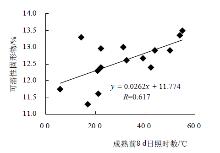
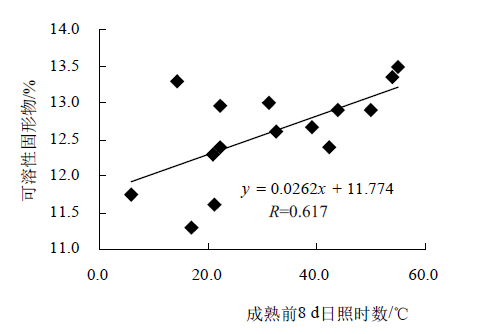
| SSC值标准化回归模型 | | 0.617 | 7.976 |
| SSC气候品质评价指数模型 | ISSC=IShour8 | - | - |
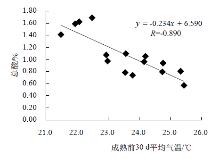
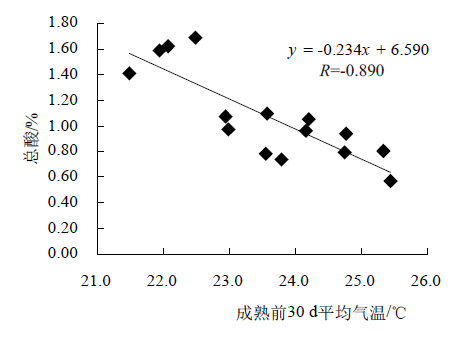
| TA值标准化回归模型 | | 0.889 | 22.721 |
| TA气候品质评价指数模型 | ITA=0.69×ITavg30+0.31×ITmax33 | - | - |
| 综合气候品质指数模型 | Iocq=0.6×ISSC+0.4×ITA | - | - |
| 模型类别 | 方程 | R值 | F值 |
|---|---|---|---|
| SSC值标准化回归模型 | | 0.617 | 7.976 |
| SSC气候品质评价指数模型 | ISSC=IShour8 | - | - |
| TA值标准化回归模型 | | 0.889 | 22.721 |
| TA气候品质评价指数模型 | ITA=0.69×ITavg30+0.31×ITmax33 | - | - |
| 综合气候品质指数模型 | Iocq=0.6×ISSC+0.4×ITA | - | - |
| 序号 | 综合气候品质指数 | 综合气候品质等级 | 综合实际品质指数 | 综合实际品质等级 | 完全符合 |
|---|---|---|---|---|---|
| 1 | 2.4 | 一级 | 2.3 | 一级 | 1 |
| 2 | 3 | 特级 | 3.0 | 特级 | 1 |
| 3 | 3 | 特级 | 3.0 | 特级 | 1 |
| 4 | 2.6 | 特级 | 3.0 | 特级 | 1 |
| 5 | 3 | 特级 | 2.6 | 特级 | 1 |
| 6 | 2.6 | 特级 | 3.0 | 特级 | 1 |
| 7 | 1.8 | 二级 | 1.5 | 二级 | 1 |
| 8 | 1.8 | 二级 | 2.1 | 一级 | 0 |
| 9 | 1.6 | 一级 | 1.5 | 二级 | 0 |
| 10 | 2.2 | 一级 | 2.2 | 一级 | 1 |
| 11 | 1.4 | 二级 | 1.2 | 二级 | 1 |
| 12 | 1.6 | 一级 | 1.6 | 一级 | 1 |
| 13 | 0.6 | 二级 | 0.8 | 二级 | 1 |
| 14 | 2.4 | 一级 | 2.3 | 一级 | 1 |
| 15 | 2.4 | 一级 | 2.8 | 特级 | 0 |
| 16 | 3 | 特级 | 3.0 | 特级 | 1 |
| 17 | 2.4 | 一级 | 2.8 | 特级 | 0 |
| 18 | 3 | 特级 | 3.0 | 特级 | 1 |
| 19 | 2.4 | 一级 | 2.6 | 特级 | 0 |
| 20 | 2.4 | 一级 | 2.4 | 一级 | 1 |
| 21 | 0.8 | 二级 | 1.2 | 二级 | 1 |
| 序号 | 综合气候品质指数 | 综合气候品质等级 | 综合实际品质指数 | 综合实际品质等级 | 完全符合 |
|---|---|---|---|---|---|
| 1 | 2.4 | 一级 | 2.3 | 一级 | 1 |
| 2 | 3 | 特级 | 3.0 | 特级 | 1 |
| 3 | 3 | 特级 | 3.0 | 特级 | 1 |
| 4 | 2.6 | 特级 | 3.0 | 特级 | 1 |
| 5 | 3 | 特级 | 2.6 | 特级 | 1 |
| 6 | 2.6 | 特级 | 3.0 | 特级 | 1 |
| 7 | 1.8 | 二级 | 1.5 | 二级 | 1 |
| 8 | 1.8 | 二级 | 2.1 | 一级 | 0 |
| 9 | 1.6 | 一级 | 1.5 | 二级 | 0 |
| 10 | 2.2 | 一级 | 2.2 | 一级 | 1 |
| 11 | 1.4 | 二级 | 1.2 | 二级 | 1 |
| 12 | 1.6 | 一级 | 1.6 | 一级 | 1 |
| 13 | 0.6 | 二级 | 0.8 | 二级 | 1 |
| 14 | 2.4 | 一级 | 2.3 | 一级 | 1 |
| 15 | 2.4 | 一级 | 2.8 | 特级 | 0 |
| 16 | 3 | 特级 | 3.0 | 特级 | 1 |
| 17 | 2.4 | 一级 | 2.8 | 特级 | 0 |
| 18 | 3 | 特级 | 3.0 | 特级 | 1 |
| 19 | 2.4 | 一级 | 2.6 | 特级 | 0 |
| 20 | 2.4 | 一级 | 2.4 | 一级 | 1 |
| 21 | 0.8 | 二级 | 1.2 | 二级 | 1 |
| 序号 | 综合气候品质指数 | 综合气候品质等级 | 综合实际品质指数 | 综合实际品质等级 | 完全符合 |
|---|---|---|---|---|---|
| 1 | 2.3 | 一级 | 1.8 | 一级 | 1 |
| 2 | 2.9 | 特级 | 2.6 | 特级 | 1 |
| 3 | 2.3 | 一级 | 1.2 | 二级 | 0 |
| 4 | 1.7 | 一级 | 1.2 | 二级 | 0 |
| 5 | 2.4 | 一级 | 1.8 | 一级 | 1 |
| 6 | 0.8 | 二级 | 1.2 | 二级 | 1 |
| 7 | 1.4 | 二级 | 1.4 | 二级 | 1 |
| 8 | 0.8 | 二级 | 2.2 | 一级 | 0 |
| 9 | 1.4 | 二级 | 3 | 特级 | 0 |
| 10 | 1.4 | 二级 | 1.2 | 二级 | 1 |
| 11 | 2.3 | 一级 | 2.4 | 一级 | 1 |
| 12 | 1.8 | 一级 | 1.8 | 一级 | 1 |
| 13 | 2.4 | 一级 | 2.4 | 一级 | 1 |
| 14 | 2.4 | 一级 | 2.6 | 特级 | 0 |
| 15 | 1.5 | 二级 | 0.8 | 二级 | 1 |
| 序号 | 综合气候品质指数 | 综合气候品质等级 | 综合实际品质指数 | 综合实际品质等级 | 完全符合 |
|---|---|---|---|---|---|
| 1 | 2.3 | 一级 | 1.8 | 一级 | 1 |
| 2 | 2.9 | 特级 | 2.6 | 特级 | 1 |
| 3 | 2.3 | 一级 | 1.2 | 二级 | 0 |
| 4 | 1.7 | 一级 | 1.2 | 二级 | 0 |
| 5 | 2.4 | 一级 | 1.8 | 一级 | 1 |
| 6 | 0.8 | 二级 | 1.2 | 二级 | 1 |
| 7 | 1.4 | 二级 | 1.4 | 二级 | 1 |
| 8 | 0.8 | 二级 | 2.2 | 一级 | 0 |
| 9 | 1.4 | 二级 | 3 | 特级 | 0 |
| 10 | 1.4 | 二级 | 1.2 | 二级 | 1 |
| 11 | 2.3 | 一级 | 2.4 | 一级 | 1 |
| 12 | 1.8 | 一级 | 1.8 | 一级 | 1 |
| 13 | 2.4 | 一级 | 2.4 | 一级 | 1 |
| 14 | 2.4 | 一级 | 2.6 | 特级 | 0 |
| 15 | 1.5 | 二级 | 0.8 | 二级 | 1 |
| [1] |
陈方永. 我国杨梅研究现状与发展趋势[J]. 中国南方果树, 2012, 41(5):31-36.
|
| [2] |
李兴军, 吕均良, 李三玉. 中国杨梅研究进展[J]. 四川农业大学学报, 1999, 17(2):224-229.
|
| [3] |
陈志银, 李三玉, 叶明儿, 等. 气候生态因子与杨梅品质关系的研究[J]. 浙江农业大学学报, 1992(2):100-106.
|
| [4] |
陈正道, 娄艳华, 汤婧. 穹顶棚架栽培对杨梅果实品质的影响[J]. 农学学报, 2021, 11(9):68-71.
doi: 10.11923/j.issn.2095-4050.cjas2020-0117 |
| [5] |
王引, 陈方永, 倪海枝, 等. 杨梅大棚栽培关键技术及其对果实品质的影响[J]. 农业科技通讯, 2020(2):168-170.
|
| [6] |
任海英, 甘振, 戚行江, 等. 补光对设施栽培杨梅营养生长和果实品质的影响[J]. 果树学报, 2022, 39(6):1072-1080.
|
| [7] |
任海英, 梁森苗, 郑锡良, 等. 避雨伞对杨梅生长及果实品质的影响[J]. 中国农学通报, 2018, 34(29):37-41.
doi: 10.11924/j.issn.1000-6850.casb17090158 |
| [8] |
孟敏霞. 避雨栽培对杨梅商品果率及果实品质的影响[J]. 浙江柑橘, 2021, 38(2):38-41.
|
| [9] |
康志雄, 骆文坚, 吕爱华, 等. 杨梅栽培气候区划与应用研究[J]. 果树学报, 2002(2):118-122.
|
| [10] |
缪松林, 黄寿波, 梁森苗, 等. 中国杨梅生态区划研究[J]. 浙江农业大学学报, 1995(4):366-372.
|
| [11] |
陈爱莉, 龚伟, 孔芬, 等. 气候变化对杨梅种植适宜区的影响[J]. 扬州大学学报(农业与生命科学版), 2021, 42(4):96-102.
|
| [12] |
金志凤, 姚益平, 樊高峰. 基于GIS的浙江省杨梅栽培气候生态区划[J]. 浙江气象, 2004(3):21-23,42.
|
| [13] |
边超钧, 王连喜, 王亚军, 等. 江苏省杨梅精细化农业气候区划[J]. 江苏农业科学, 2013, 41(11):190-193.
|
| [14] |
霍治国, 江梦圆, 匡昭敏, 等. 国外农产品气候品质评价研究进展[J]. 中国农业资源与区划, 2022, 43(9):34-49.
|
| [15] |
徐擎擎, 李衍彪, 曹伟, 等. 农产品气候品质认证技术研究进展[J]. 热带农业科学, 2022, 42(4):132-135.
|
| [16] |
DB 5202/T 011—2019.地理标志产品岱瓮杨梅[S]. 六盘水市市场监督管理局, 2019.
|
| [17] |
T/ZNZ 129—2022.地理标志产品仙居杨梅[S]. 浙江省农产品质量安全学会, 2022.
|
| [18] |
LY/T 1747—2018.杨梅质量[S]. 国家林业和草原局, 2018.
|
| [19] |
钱皆兵, 陈子敏, 陈俊伟, 等. 乌紫杨梅果实发育和主要品质成分积累特性研究[J]. 浙江农业学报, 2006(3):151-154.
|
| [20] |
李伟, 郜海燕, 陈杭君, 等. 基于主成分分析的不同品种杨梅果实综合品质评价[J]. 中国食品学报, 2017, 17(6):161-171.
|
| [21] |
陈惠, 林晶, 杨凯, 等. 青枣气候品质等级评价模型构建及应用[J]. 应用气象学报, 2021, 32(4):443-455.
|
| [22] |
金志凤, 王治海, 姚益平, 等. 浙江省茶叶气候品质等级评价[J]. 生态学杂志, 2015, 34(5):1456-1463.
|
| [23] |
杨照渠, 陈旦蕊, 苏士法. 东魁杨梅果实生长发育规律初探[J]. 浙江农业科学, 2003(1):9-11.
|
| [24] |
柴春燕, 徐绍清, 房聪玲, 等. 杨梅四大良种生长发育特性比较研究初报[J]. 中国园艺文摘, 2010, 26(2):18-21.
|
| [1] | YUAN Meng, MA Zihan, XIONG Huan, JIANG Aili. Biodegradation of Laminaria japonica and Application of Seaweed Extracts in Agricultural Field [J]. Chinese Agricultural Science Bulletin, 2026, 42(7): 105-112. |
| [2] | DING Lihua, TONG Jianping, WU Qun, WANG Tongliang, GU Zhenhai. Construction and Grading Evaluation of Climate Quality Model for Huyou [J]. Chinese Agricultural Science Bulletin, 2026, 42(6): 127-132. |
| [3] | SONG Zhanhua, HUANG Jie, ZHANG Shiguan, WEI Ailin, ZHONG Yong, LIANG Zhongming, LI Lianhua, NONG Yuan, SONG Yi, GAN Guiyun, HE Bingzhu. Degradation Characteristics of Different Types of Plastic Film and Their Effects on Cherry Tomato Yield and Soil Environment [J]. Chinese Agricultural Science Bulletin, 2026, 42(6): 95-101. |
| [4] | FENG Yichang, JIANG Xin, KONG Xinru, WANG Rui, DONG Shuibo, JI Lidong, YUE Jianmin, LI Yulong. Research Progress on Degradation Technology and Resource Utilization of Agricultural High-Fiber Waste [J]. Chinese Agricultural Science Bulletin, 2026, 42(1): 116-127. |
| [5] | ZHAO Pei, SONG Changgui, XIE Yong, WANG Mei, MA Jingqiu, WU Jun, HUANG Yue, HE Jiayang, WANG Xiaojing. Effects of Particle Size on Composting Process and Compost Maturity of Sericulture Byproducts [J]. Chinese Agricultural Science Bulletin, 2026, 42(1): 159-166. |
| [6] | LI Hongchen, YANG Junjie, CHANG Jianbo, XIA Zongliang. Curing Characteristics and Curing Process of Middle Leaves of New Flue-cured Tobacco Variety ‘YM2020’ [J]. Chinese Agricultural Science Bulletin, 2026, 42(1): 194-199. |
| [7] | GE Jinyuan, HAO Shuai, ZHANG Shengyu, LU Lan. Reason Analysis of Large Difference in Content of Dihydroactinidiolide in Domestic and Imported Paper-making Reconstituted Tobacco [J]. Chinese Agricultural Science Bulletin, 2026, 42(1): 206-210. |
| [8] | TONG Menglu, DING Yuling, JIANG Bingshan, WANG Zichen, PANG Caiwei, ZHOU Qin. Study on Exogenous Ascorbic Acid Alleviating Toxicity of Atrazine to Beet Seedlings and Its Degradation Mechanism [J]. Chinese Agricultural Science Bulletin, 2025, 41(9): 157-164. |
| [9] | YAO Weige, FAN Li, SUN Rui, KANG Jie, GE Jingping. Research Progress on Role of Extracellular Vesicles in Agriculture and Environmental Protection [J]. Chinese Agricultural Science Bulletin, 2025, 41(6): 88-93. |
| [10] | WANG Haoyi, QIAO Wei, LIN Yuying, YANG Haobo, JIE Weiguang. Research Status of Bacterial Degradation of Pesticide Residues in Soybean [J]. Chinese Agricultural Science Bulletin, 2025, 41(6): 126-131. |
| [11] | LIU Zidan, HU Binbin, CHEN Yuchang, ZHANG Jinglin, FEI Lina, LIN Jinquan, CHEN Yi, HE Chenggang, JIANG Yonglei. Analysis of Baking Characteristics of Flue-cured Tobacco Variety ‘NC297’ Introduced from American [J]. Chinese Agricultural Science Bulletin, 2025, 41(4): 134-143. |
| [12] | WANG Yanping, WANG Yaying, WANG Zhichun, QU Xuebin. Climatic Risk Zoning of Soybean Pod Borer Occurrence in Northeastern Inner Mongolia [J]. Chinese Agricultural Science Bulletin, 2025, 41(36): 142-148. |
| [13] | CHEN Mulan, LI Yunxi, ZHA Yangliang, GOU Yaowu, DUAN Hao, WU Qiong, GAO Rui. Research on Evaluation Indicators Design and Zoning of Climatic Quality of Apples in Northern Region of Xianyang [J]. Chinese Agricultural Science Bulletin, 2025, 41(35): 88-96. |
| [14] | DING Jinyang, XIAO Jingjing, LI Zhengquan, JIN Liang, ZHANG Yonghui, ZHANG Libo, HE Liang. Study on Optimal Sowing Periods for Early Rice Based on Climate Analysis: A Case Study of Keqiao, Shaoxing [J]. Chinese Agricultural Science Bulletin, 2025, 41(24): 1-7. |
| [15] | YANG Yang, KE Liping, ZHU Jun, HU Yanyan, GUN Yi. Research on Dynamic Forecasting Model and Suitability Zoning of Rice Meteorological Yield in Zhijin County [J]. Chinese Agricultural Science Bulletin, 2025, 41(23): 64-73. |
| Viewed | ||||||
|
Full text |
|
|||||
|
Abstract |
|
|||||
