Welcome to Chinese Agricultural Science Bulletin,

Chinese Agricultural Science Bulletin ›› 2026, Vol. 42 ›› Issue (17): 189-195.doi: 10.11924/j.issn.1000-6850.casb2026-0199
Previous Articles Next Articles
WU Hao1,2( ), MA Xueyan2, WEN Haibo2, YANG Kaixuan1,2, YUAN Kai1,2, MA Benhe3, PAN Xianhui4, JIN Wu2()
Received:2026-03-17
Revised:2026-06-04
Online:2026-09-09
Published:2026-09-09
CLC Number:
WU Hao, MA Xueyan, WEN Haibo, YANG Kaixuan, YUAN Kai, MA Benhe, PAN Xianhui, JIN Wu. Construction of a High-density Genetic Map and QTL Mapping for Sex and Growth Traits in Bellamya purificata[J]. Chinese Agricultural Science Bulletin, 2026, 42(17): 189-195.
Add to citation manager EndNote|Ris|BibTeX
URL: https://www.casb.org.cn/EN/10.11924/j.issn.1000-6850.casb2026-0199
| Sample ID | Raw reads | clean reads | clean bases/Gb | Q20/% | Q30/% | Clean bases ratio/% | GC/% |
|---|---|---|---|---|---|---|---|
| Female parent ♀ | 259.99 | 259.89 | 38.95 | 98.02 | 93.76 | 99.87 | 34.62 |
| Male parent ♂ | 204.22 | 204.13 | 30.6 | 98.01 | 93.6 | 99.9 | 34.21 |
| Offspring average | 74.34 | 74.31 | 11.14 | 98.04 | 93.73 | 99.87 | 34.63 |
| Sample ID | Raw reads | clean reads | clean bases/Gb | Q20/% | Q30/% | Clean bases ratio/% | GC/% |
|---|---|---|---|---|---|---|---|
| Female parent ♀ | 259.99 | 259.89 | 38.95 | 98.02 | 93.76 | 99.87 | 34.62 |
| Male parent ♂ | 204.22 | 204.13 | 30.6 | 98.01 | 93.6 | 99.9 | 34.21 |
| Offspring average | 74.34 | 74.31 | 11.14 | 98.04 | 93.73 | 99.87 | 34.63 |
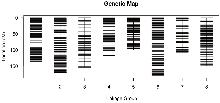

| LG ID | Total Bin Marker | Total Distance(cM) | Average Distance(cM) | Max Gap(cM) | Gaps<5cM(%) |
|---|---|---|---|---|---|
| LG1 | 250 | 136.45 | 0.55 | 6.71 | 99.6 |
| LG2 | 227 | 169.5 | 0.75 | 6.46 | 98.23 |
| LG3 | 150 | 153.79 | 1.03 | 11.13 | 92.62 |
| LG4 | 121 | 117.07 | 0.97 | 13.02 | 97.5 |
| LG5 | 233 | 100.43 | 0.43 | 4.06 | 100 |
| LG6 | 196 | 179.49 | 0.92 | 5.26 | 98.97 |
| LG7 | 90 | 109.31 | 1.21 | 6.95 | 93.26 |
| LG8 | 236 | 149.67 | 0.63 | 9.89 | 98.3 |
| Total | 1503 | 1115.71 | 0.81 | 13.02 | 97.31 |
| LG ID | Total Bin Marker | Total Distance(cM) | Average Distance(cM) | Max Gap(cM) | Gaps<5cM(%) |
|---|---|---|---|---|---|
| LG1 | 250 | 136.45 | 0.55 | 6.71 | 99.6 |
| LG2 | 227 | 169.5 | 0.75 | 6.46 | 98.23 |
| LG3 | 150 | 153.79 | 1.03 | 11.13 | 92.62 |
| LG4 | 121 | 117.07 | 0.97 | 13.02 | 97.5 |
| LG5 | 233 | 100.43 | 0.43 | 4.06 | 100 |
| LG6 | 196 | 179.49 | 0.92 | 5.26 | 98.97 |
| LG7 | 90 | 109.31 | 1.21 | 6.95 | 93.26 |
| LG8 | 236 | 149.67 | 0.63 | 9.89 | 98.3 |
| Total | 1503 | 1115.71 | 0.81 | 13.02 | 97.31 |
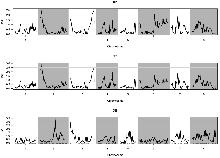
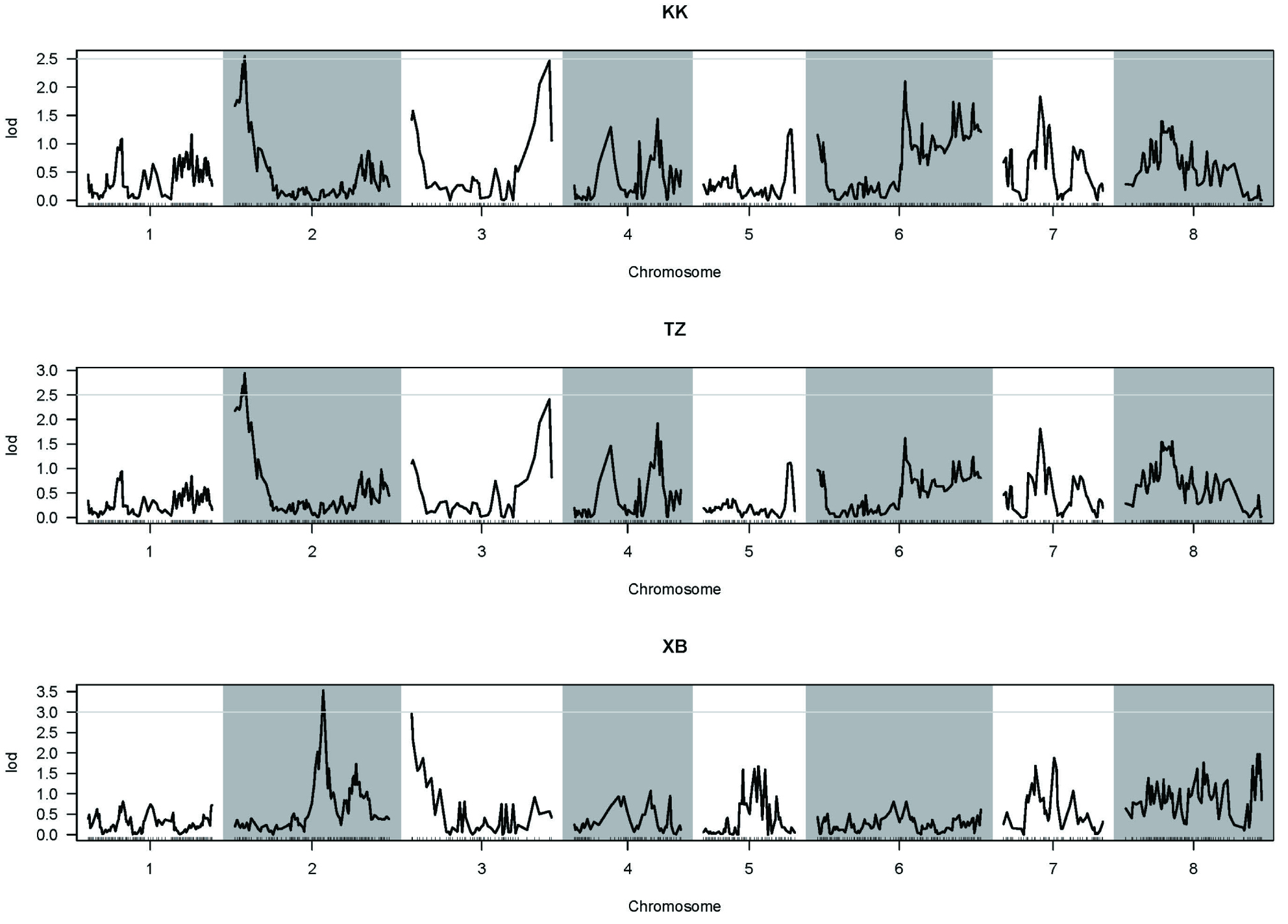
| 性状 | QTL | 连锁群 | LOD | 置信区间(cM) | 加性效应 | 显性效应 | 解释变异 |
|---|---|---|---|---|---|---|---|
| 体重 | TZ.1 | LG2 | 2.943 | 10.721~11.911 | 0.560 | -0.051 | 5.653 |
| TZ.2 | LG2 | 2.680 | 8.339~8.339 | 0.530 | -0.112 | 5.009 | |
| 壳宽 | KK | LG2 | 2.549 | 10.721~10.721 | 1.058 | 0.048 | 5.315 |
| 性别 | XB | LG2 | 3.530 | 97.070~98.261 | 0.089 | -0.564 | 17.320 |
| 性状 | QTL | 连锁群 | LOD | 置信区间(cM) | 加性效应 | 显性效应 | 解释变异 |
|---|---|---|---|---|---|---|---|
| 体重 | TZ.1 | LG2 | 2.943 | 10.721~11.911 | 0.560 | -0.051 | 5.653 |
| TZ.2 | LG2 | 2.680 | 8.339~8.339 | 0.530 | -0.112 | 5.009 | |
| 壳宽 | KK | LG2 | 2.549 | 10.721~10.721 | 1.058 | 0.048 | 5.315 |
| 性别 | XB | LG2 | 3.530 | 97.070~98.261 | 0.089 | -0.564 | 17.320 |
| 基因ID | 连锁群 | 基因名缩写 | 基因功能 |
|---|---|---|---|
| Bpur0048550 | LG2 | DNAH | 轴丝动力蛋白重链 |
| Bpur0048630 | LG2 | SRPK | SP蛋白激酶 |
| Bpur0048560 | LG2 | SLC35 | UDP-糖转运蛋白 |
| Bpur0048590 | LG2 | CDA | 几丁质脱乙酰酶 |
| Bpur0048760/Bpur0048770 | LG2 | B4GALT1 | UDP-半乳糖基转移酶 |
| Bpur0048840/Bpur0048850/Bpur0048860 | LG2 | CGC | 几丁质结合蛋白基因簇 |
| Bpur0048620 | LG2 | NAE | 合成N-酰基乙醇胺类脂质信号分子 |
| Bpur0048670 | LG2 | ELk-3 | ETS家族转录因子 |
| Bpur0048740/Bpur0048430/Bpur0048450 | LG2 | PTPRK | 受体型酪氨酸蛋白磷酸酶κ |
| Bpur0048800 | LG2 | MED20 | 中介体复合物亚基20 |
| Bpur0048720 | LG2 | NMUR1 | 神经调节肽U受体1 |
| Bpur0048870 | LG2 | IKKε/TBK1 | 非典型IKK激酶 |
| Bpur0048810 | LG2 | CDK17 | 细胞周期蛋白依赖性激酶17 |
| Bpur0048880 | LG2 | CRADD/RAIDD | 死亡结构域衔接蛋白 |
| Bpur0048600 | LG2 | AFMID | 犬尿氨酸甲酰胺酶 |
| Bpur0048730 | LG2 | ACY1 | 氨基酸酰化酶-1 |
| Bpur0048830 | LG2 | MRPL2 | 39S线粒体核糖体蛋白L2 |
| Bpur0048890 | LG2 | ACAD9 | 酰基辅酶A脱氢酶家族成员9 |
| Bpur0048900 | LG2 | α-Glu | α-葡萄糖苷酶 |
| Bpur0048820 | LG2 | LSm8 | U6 snRNA相关Sm样蛋白 |
| Bpur0048650 | LG2 | UBC13 | 泛素结合酶 |
| Bpur0048640 | LG2 | NUDT | Nudix水解酶 |
| Bpur0048680 | LG2 | APE2 | AP内切酶2 |
| 基因ID | 连锁群 | 基因名缩写 | 基因功能 |
|---|---|---|---|
| Bpur0048550 | LG2 | DNAH | 轴丝动力蛋白重链 |
| Bpur0048630 | LG2 | SRPK | SP蛋白激酶 |
| Bpur0048560 | LG2 | SLC35 | UDP-糖转运蛋白 |
| Bpur0048590 | LG2 | CDA | 几丁质脱乙酰酶 |
| Bpur0048760/Bpur0048770 | LG2 | B4GALT1 | UDP-半乳糖基转移酶 |
| Bpur0048840/Bpur0048850/Bpur0048860 | LG2 | CGC | 几丁质结合蛋白基因簇 |
| Bpur0048620 | LG2 | NAE | 合成N-酰基乙醇胺类脂质信号分子 |
| Bpur0048670 | LG2 | ELk-3 | ETS家族转录因子 |
| Bpur0048740/Bpur0048430/Bpur0048450 | LG2 | PTPRK | 受体型酪氨酸蛋白磷酸酶κ |
| Bpur0048800 | LG2 | MED20 | 中介体复合物亚基20 |
| Bpur0048720 | LG2 | NMUR1 | 神经调节肽U受体1 |
| Bpur0048870 | LG2 | IKKε/TBK1 | 非典型IKK激酶 |
| Bpur0048810 | LG2 | CDK17 | 细胞周期蛋白依赖性激酶17 |
| Bpur0048880 | LG2 | CRADD/RAIDD | 死亡结构域衔接蛋白 |
| Bpur0048600 | LG2 | AFMID | 犬尿氨酸甲酰胺酶 |
| Bpur0048730 | LG2 | ACY1 | 氨基酸酰化酶-1 |
| Bpur0048830 | LG2 | MRPL2 | 39S线粒体核糖体蛋白L2 |
| Bpur0048890 | LG2 | ACAD9 | 酰基辅酶A脱氢酶家族成员9 |
| Bpur0048900 | LG2 | α-Glu | α-葡萄糖苷酶 |
| Bpur0048820 | LG2 | LSm8 | U6 snRNA相关Sm样蛋白 |
| Bpur0048650 | LG2 | UBC13 | 泛素结合酶 |
| Bpur0048640 | LG2 | NUDT | Nudix水解酶 |
| Bpur0048680 | LG2 | APE2 | AP内切酶2 |
| 基因ID | 连锁群 | 基因名缩写 | 基因功能 |
|---|---|---|---|
| Bpur0071490 | LG2 | DMAP1 | DNA甲基转移酶1相关蛋白1 |
| Bpur0071870/ Bpur0071890 | LG2 | HDAC1 | 组蛋白去乙酰化酶1 |
| Bpur0071900 | LG2 | MTAP | 甲基硫代腺苷磷酸化酶 |
| Bpur0071390 | LG2 | OSMR | Oncostatin M受体 |
| Bpur0071550 | LG2 | RNF146 | E3泛素连接酶RNF146 |
| Bpur0071800 | LG2 | DEPDC1B/EPS15L1 | 含DEP结构域的蛋白,参与Wnt信号通路 |
| Bpur0071810 | LG2 | LAR-PTP | 受体型酪氨酸蛋白磷酸酶 |
| Bpur0071820 | LG2 | PTPRT/PTPκ | 受体型酪氨酸蛋白磷酸酶 |
| Bpur0071840 | LG2 | EPS15 | 表皮生长因子受体底物15 |
| Bpur0071980 | LG2 | OX2R | 食欲素受体2型 |
| Bpur0071910 | LG2 | KLF10/11 | Krüppel样因子10/11 |
| Bpur0071460 | LG2 | ELOF1 | 转录延伸因子1同源物 |
| Bpur0071660 | LG2 | ABCD3 | 过氧化物酶体ABC转运蛋白D家族成员3 |
| Bpur0071750 | LG2 | HADHA | 线粒体三功能酶α亚基 |
| Bpur0071790 | LG2 | OSBPL9/10/11 | 氧固醇结合蛋白相关蛋白 |
| Bpur0071730 | LG2 | NDPK | 核苷二磷酸激酶 |
| Bpur0071470 | LG2 | XPF/ERCC4 | DNA修复内切酶XPF |
| Bpur0071340 | LG2 | FREM1/2 | FRAS1相关胞外基质蛋白 |
| Bpur0071350 | LG2 | Papilin | 分泌型糖蛋白,ADAMTS蛋白酶抑制剂 |
| Bpur0071560 | LG2 | eIF3E | 真核翻译起始因子3亚基E |
| Bpur0071580 | LG2 | ALG2 | α-1,3/1,6-甘露糖基转移酶 |
| Bpur0071650 | LG2 | UTP3 | U3小核仁RNA相关蛋白3 |
| Bpur0071880 | LG2 | SPEF2 | 精子鞭毛蛋白2同源物 |
| 基因ID | 连锁群 | 基因名缩写 | 基因功能 |
|---|---|---|---|
| Bpur0071490 | LG2 | DMAP1 | DNA甲基转移酶1相关蛋白1 |
| Bpur0071870/ Bpur0071890 | LG2 | HDAC1 | 组蛋白去乙酰化酶1 |
| Bpur0071900 | LG2 | MTAP | 甲基硫代腺苷磷酸化酶 |
| Bpur0071390 | LG2 | OSMR | Oncostatin M受体 |
| Bpur0071550 | LG2 | RNF146 | E3泛素连接酶RNF146 |
| Bpur0071800 | LG2 | DEPDC1B/EPS15L1 | 含DEP结构域的蛋白,参与Wnt信号通路 |
| Bpur0071810 | LG2 | LAR-PTP | 受体型酪氨酸蛋白磷酸酶 |
| Bpur0071820 | LG2 | PTPRT/PTPκ | 受体型酪氨酸蛋白磷酸酶 |
| Bpur0071840 | LG2 | EPS15 | 表皮生长因子受体底物15 |
| Bpur0071980 | LG2 | OX2R | 食欲素受体2型 |
| Bpur0071910 | LG2 | KLF10/11 | Krüppel样因子10/11 |
| Bpur0071460 | LG2 | ELOF1 | 转录延伸因子1同源物 |
| Bpur0071660 | LG2 | ABCD3 | 过氧化物酶体ABC转运蛋白D家族成员3 |
| Bpur0071750 | LG2 | HADHA | 线粒体三功能酶α亚基 |
| Bpur0071790 | LG2 | OSBPL9/10/11 | 氧固醇结合蛋白相关蛋白 |
| Bpur0071730 | LG2 | NDPK | 核苷二磷酸激酶 |
| Bpur0071470 | LG2 | XPF/ERCC4 | DNA修复内切酶XPF |
| Bpur0071340 | LG2 | FREM1/2 | FRAS1相关胞外基质蛋白 |
| Bpur0071350 | LG2 | Papilin | 分泌型糖蛋白,ADAMTS蛋白酶抑制剂 |
| Bpur0071560 | LG2 | eIF3E | 真核翻译起始因子3亚基E |
| Bpur0071580 | LG2 | ALG2 | α-1,3/1,6-甘露糖基转移酶 |
| Bpur0071650 | LG2 | UTP3 | U3小核仁RNA相关蛋白3 |
| Bpur0071880 | LG2 | SPEF2 | 精子鞭毛蛋白2同源物 |
| [1] |
段晓姣, 谢从新, 吕元蛟, 等. 梨形环棱螺的食性及其在生态沟渠中的净水作用[J]. 渔业现代化, 2013, 40(2):17-21.
|
| [2] |
廖愚, 覃俊奇. 广西螺蛳养殖发展现状及对策建议[J]. 中国水产, 2023(10):32-34.
|
| [3] |
舒凤月, 张承德, 张超, 等. 南四湖大型底栖动物群落结构及水质生物学评价[J]. 生态学杂志, 2014, 33(1):184-189.
|
| [4] |
孙效文, 鲁翠云, 贾智英, 等. 水产动物分子育种研究进展[J]. 中国水产科学, 2009, 16(6):981-990.
|
| [5] |
doi: 10.1038/s41598-018-35583-1 pmid: 30467365 |
| [6] |
doi: 10.3389/fgene.2025.1644874 URL |
| [7] |
doi: 10.1016/j.aquaculture.2019.734839 URL |
| [8] |
doi: 10.1159/000095103 pmid: 18753778 |
| [9] |
|
| [10] |
doi: 10.1093/bioinformatics/btp324 pmid: 19451168 |
| [11] |
doi: 10.1101/gr.107524.110 pmid: 20644199 |
| [12] |
|
| [13] |
doi: 10.1371/journal.pone.0098855 URL |
| [14] |
doi: 10.1093/bioinformatics/btg112 pmid: 12724300 |
| [15] |
李国治, 邓卫东. 基因组测序技术及其应用研究进展[J]. 安徽农业科学, 2018, 46(22):20-22.
|
| [16] |
doi: 10.1038/nature08696 |
| [17] |
doi: 10.1007/978-1-60327-367-1_12 pmid: 20238084 |
| [18] |
doi: 10.1371/journal.pone.0019379 URL |
| [19] |
doi: 10.1038/nbt.3096 pmid: 25643055 |
| [20] |
张尧锋, 张冬青, 余华胜, 等. 基于极端混合池(BSA)全基因组重测序的甘蓝型油菜有限花序基因定位[J]. 中国农业科学, 2018, 51(16):3029-3039.
doi: 10.3864/j.issn.0578-1752.2018.16.001 |
| [21] |
doi: 10.3390/life13030793 URL |
| [22] |
张霞, 豆腾飞, 贾俊静, 等. 全基因组重测序在鸡中的应用和研究进展[J]. 中国畜牧杂志, 2021, 57(7):11-17.
|
| [23] |
doi: 10.1139/gen-2019-0227 pmid: 32615048 |
| [24] |
马钧, 樊安平, 王武生, 等. 全基因组重测序解析秦川牛保种群遗传多样性和遗传结构[J]. 遗传, 2023, 45(7):602-616.
|
| [25] |
doi: 10.1016/j.aquaculture.2025.742606 URL |
| [26] |
王中铎, 何传猛, 姚泽彬, 等. 全基因组重测序筛选弓背青鳉三亚群体性别遗传标记[J]. 广东海洋大学学报, 2023, 43(4):69-75.
|
| [27] |
doi: 10.1016/j.aquaculture.2024.741023 URL |
| [28] |
郭锋. 基于全基因组重测序的厚壳贻贝遗传多样性分析与适应性研究[D] 舟山:浙江海洋大学, 2024.
|
| [29] |
杨知沅. 皱纹盘鲍遗传连锁图谱的构建及性别、贝壳颜色遗传机制的研究[D]. 青岛: 中国科学院大学(中国科学院海洋研究所), 2019.
|
| [30] |
刘卫东, 鲍相渤, 宋文涛, 等. 虾夷扇贝遗传连锁图谱的初步构建[J]. 遗传, 2009, 31(6):629-637.
|
| [31] |
doi: 10.1038/srep26693 |
| [32] |
doi: 10.1093/genetics/154.4.1419 pmid: 10747041 |
| [33] |
于红, 郭浪, 李琪. 贝类性别决定与分化相关基因研究进展[J]. 水产学报, 2023, 47(3):14-28.
|
| [34] |
金武, 马学艳, 吕国华, 等. 腹足纲繁殖生物学研究进展[J]. 中国农学通报, 2022, 38(11):116-122.
doi: 10.11924/j.issn.1000-6850.casb2021-0283 |
| [35] |
doi: 10.1093/mollus/66.2.259 URL |
| [36] |
|
| [1] | CHENG Yuan, WANG Hui, DONG Siyuan, YANG Wei, JIANG Rongyue, LIU Ning, ZHANG Conghe. Overview of Maize Ear Rot and Genetic Research Progress in Resistance Breeding [J]. Chinese Agricultural Science Bulletin, 2026, 42(9): 171-176. |
| [2] | LI Guolong, LU Zhaohua, YAO Jieling, MA Liuyin, YANG Deming, XU Jianmin, HU Zhikang, ZHANG Yundong, XIONG Shan, LI Guangyou. Effect of Pruning on Growth and Carbon Sequestration Benefits of Eucalyptus 107 Clone [J]. Chinese Agricultural Science Bulletin, 2026, 42(7): 70-76. |
| [3] | LI Jingru, LI Zhuoqing, XIANG Qingqing, LI Leifu, ZOU Ruijuan, LEI Ming. Effects of Combined Contamination of Cadmium and Arsenic in Soil on Growth of Industrial Peppers (Capsicum annuum) [J]. Chinese Agricultural Science Bulletin, 2026, 42(4): 117-125. |
| [4] | WU Hao, LI Ke, MA Xueyan, WEN Haibo, JIN Wu. Analysis of Nutritional Components and Flavor of Male and Female Individuals of Bellamya purificata [J]. Chinese Agricultural Science Bulletin, 2026, 42(14): 195-202. |
| [5] | PENG Yunsong, REN Hao, XU Yongyan. Comparative Analysis of Characteristics of Seven Morchella esculenta Strains [J]. Chinese Agricultural Science Bulletin, 2025, 41(28): 48-55. |
| [6] | CHU Chunyan, LI Chenhui, WANG Yan, PANG Yunchao, HAN Junjie, WANG Ping, ZHAI Mo, JIANG Lixia. Effects of Different Sowing Dates on Seedling Quality and Tillering Dynamics of Rice During Field Nutritional Growth Period in Sanjiang Plain [J]. Chinese Agricultural Science Bulletin, 2025, 41(11): 1-7. |
| [7] | ZHANG Yadong, CHEN Huiling, HUANG Guowei, ZHOU Guoqing, ZHANG Xinye. Growing Performance of Toona ciliata from Different Provenances Introduced in Wuhan for 8 Years [J]. Chinese Agricultural Science Bulletin, 2024, 40(34): 50-55. |
| [8] | LI Ke, MA Xueyan, YANG Ke, CHEN Wanwen, JIN Wu, WEN Haibo. Analysis of Genetic Diversity and Genetic Differentiation of Six Geographical Populations of Bellamyapurificata [J]. Chinese Agricultural Science Bulletin, 2024, 40(29): 150-156. |
| [9] | LI Yan, LIANG Zenghao, YANG Rongzhi, LIU Zhitao, TAN Jun, DENG Luchang, CHEN Jie, YANG Lin, HE Wenzhu, ZHU Yonghui, TANG Haitao. The Quality Protein Maize ‘Quanyu No.9’: QTL Mapping of Main Nutritional Quality Traits [J]. Chinese Agricultural Science Bulletin, 2024, 40(23): 16-21. |
| [10] | JIN Wu, MA Xueyan, PENG Gang, CHEN Wanwen, WEN Haibo. Geometric Morphometric Analysis of Bellamya purificata From 11 Geographic Populations [J]. Chinese Agricultural Science Bulletin, 2024, 40(2): 159-164. |
| [11] | ZHANG Xiaoshen, ZHANG Lipeng, WANG Wei, HUANG Songbo, CAO Hui, ZUO Hongjuan. The Effect of Five Fertilizers on the Growth Characters and Yield of Sweet Potato [J]. Chinese Agricultural Science Bulletin, 2023, 39(32): 78-83. |
| [12] | LI Haifeng, LIU Guohong, GUO Hongmei, WU Jiuyun, MAI MAI TI· Huxidan, A MU TI· Rexidan, LIU Zhigang. Effects of Chemical Fertilizer Reduction on Growth, Yield and Quality of Greenhouse Pepper [J]. Chinese Agricultural Science Bulletin, 2023, 39(19): 33-38. |
| [13] | BAI Shanshan, WANG Zhaofeng, SONG Xiliang, WANG Guoliang, ZHANG Xiaoxia, WANG Benting, JIANG Huixin. The Growth Performance of Pennisetum Forage Varieties in Shandong [J]. Chinese Agricultural Science Bulletin, 2023, 39(19): 131-136. |
| [14] | LI Guihua, FU Mei, LUO Wenlong, LUO Shanwei, GUO Juxian. QTL Mapping and Candidate Gene Analysis for Bolting and Flowering Time of Flowering Chinese Cabbage [J]. Chinese Agricultural Science Bulletin, 2023, 39(13): 19-24. |
| [15] | LUO Xianfu, LIU Wenqiang, PAN Xiaowu, DONG Zheng, LIU Sanxiong, LIU Licheng, YANG Biaoren, SHENG Xinnian, LI Xiaoxiang. Mapping of Plant Height QTL Using NILs Derived from Residual Heterozygous Lines in Rice [J]. Chinese Agricultural Science Bulletin, 2022, 38(9): 1-5. |
| Viewed | ||||||
|
Full text |
|
|||||
|
Abstract |
|
|||||
