欢迎访问《中国农学通报》,

中国农学通报 ›› 2026, Vol. 42 ›› Issue (18): 46-54.doi: 10.11924/j.issn.1000-6850.casb2026-0040
仇强1( ), 王焕之1, 华维娜1, 刘晓莹1, 郭继民1, 张晓丽1, 郑昊2(), 吴国威3()
收稿日期:2026-01-10
修回日期:2026-05-21
出版日期:2026-09-25
发布日期:2026-09-24
通讯作者:
作者简介:仇强,男,1982年出生,山东新泰人,高级农艺师,硕士,研究方向:耕地质量提升及水肥高效利用。通信地址:261061 山东省潍坊市高新区东风东街6396号 阳光大厦,Tel:0536-5575925,E-mail:157883293@qq.com。
基金资助:
QIU Qiang1(), WANG Huanzhi1, HUA Weina1, LIU Xiaoying1, GUO Jimin1, ZHANG Xiaoli1, ZHENG Hao2(), WU Guowei3()
Received:2026-01-10
Revised:2026-05-21
Published:2026-09-25
Online:2026-09-24
摘要:
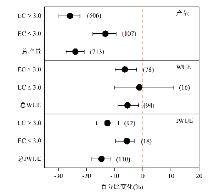
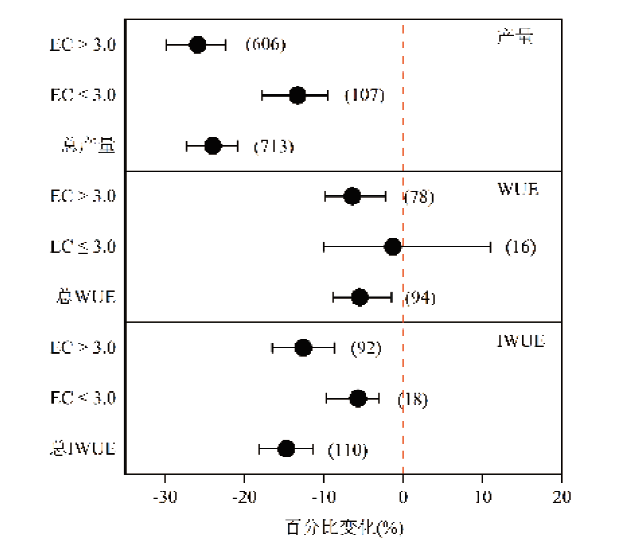
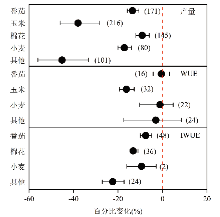
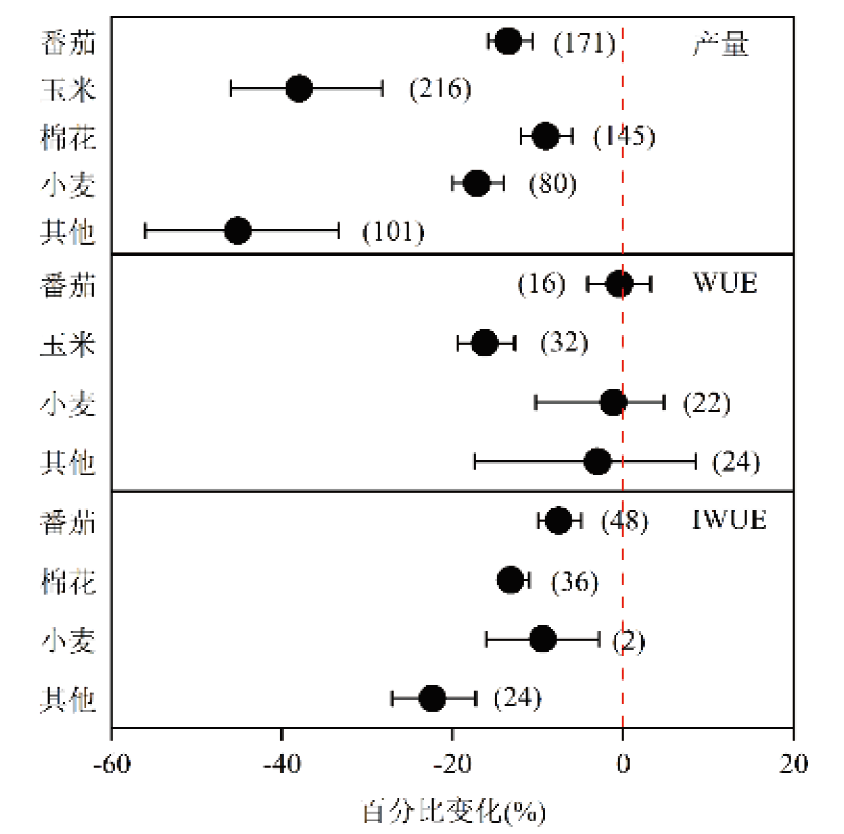
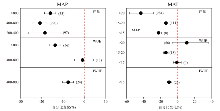
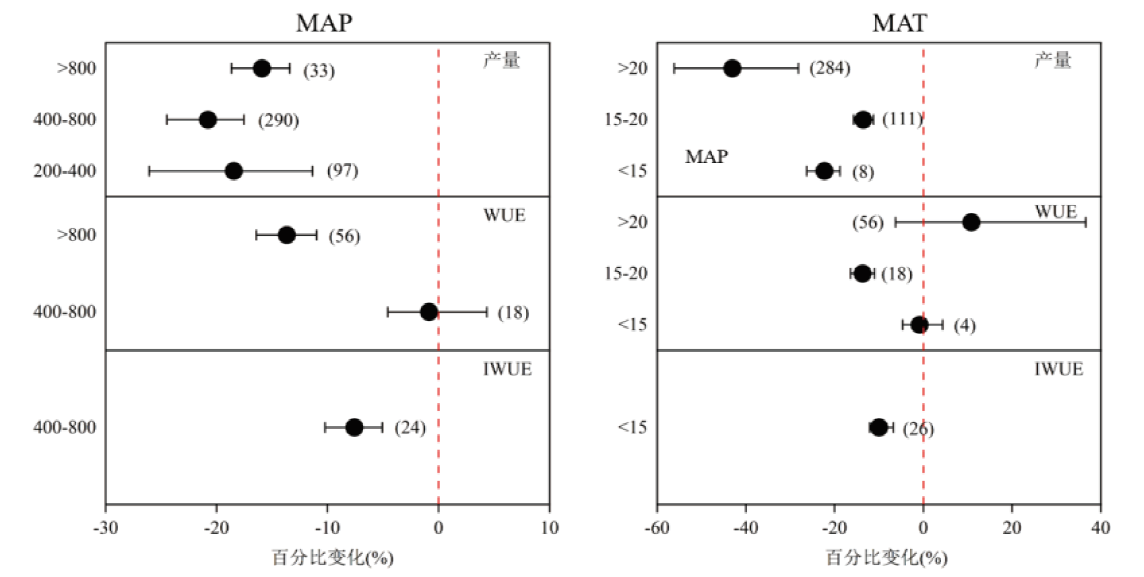
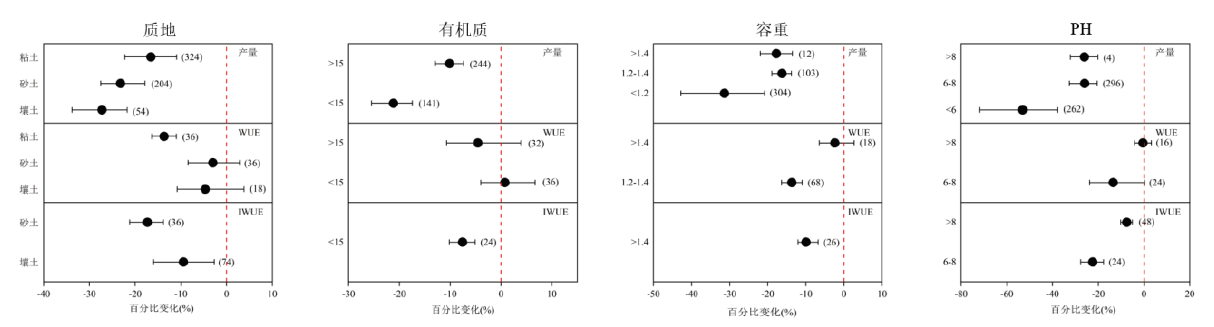
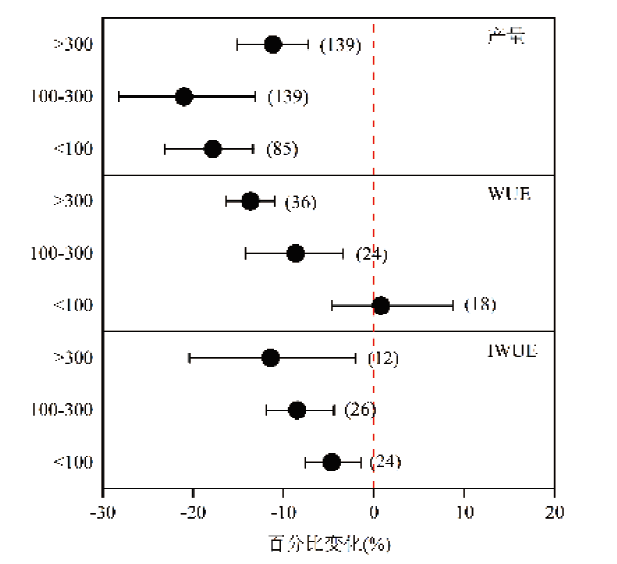
咸水灌溉作为缓解水资源紧缺的重要途径受到广泛关注,但其对作物产量及水分利用效率的影响机理仍不清晰。本研究通过Meta分析,整合了57篇文献中的727组数据,系统评估不同作物类型、气候条件、土壤性质及灌溉水平下咸水灌溉对作物产量、水分利用效率(WUE)和灌溉水利用效率(IWUE)的影响。结果表明:咸水灌溉显著降低了作物产量、WUE和IWUE。其中,在高盐度灌溉条件(ECi>3.0 dS/m)条件下,各项指标的下降幅最为显著,产量、WUE和IWUE分别下降了24.0%、5.5%和14.8%;而微咸水(ECi≤3.0 dS/m)对作物的的影响相对较小,表明适度盐度的灌溉水在一定条件下可减轻对作物的负面效应。气候与土壤因素对咸水灌溉的效应具有显著调节作用。在湿润地区(年降水量>800 mm),咸水灌溉的负面影响较弱,而在干旱及半干旱区,其影响则更为显著。壤土和黏土较砂土更能缓冲盐分胁迫。适宜灌溉量(100~300 mm)可显著提升作物产量与水分利用效率,且在咸水灌溉条件下作用更为突出。基于以上研究结果,本研究建议:在中国干旱半干旱地区实施咸水灌溉时,应优先选择壤土或黏土条件、年降水量高于400 mm的区域,并配置100~300 mm的适宜灌溉量,以最大程度地维持作物产量与水分利用效率。该研究为干旱区咸水灌溉的优化管理提供了科学依据。
中图分类号:
仇强, 王焕之, 华维娜, 刘晓莹, 郭继民, 张晓丽, 郑昊, 吴国威. 咸水灌溉对作物产量及水分生产率影响的Meta分析[J]. 中国农学通报, 2026, 42(18): 46-54.
QIU Qiang, WANG Huanzhi, HUA Weina, LIU Xiaoying, GUO Jimin, ZHANG Xiaoli, ZHENG Hao, WU Guowei. Meta-analysis of Effects of Saline Irrigation on Crop Yield and Water Use Efficiency[J]. Chinese Agricultural Science Bulletin, 2026, 42(18): 46-54.
| 分组 | 变量 | 分类 |
|---|---|---|
| 作物种类 | 玉米 | |
| 小麦 | ||
| 棉花 | ||
| 番茄 | ||
| 花生 | ||
| 辣椒 | ||
| 其他 | ||
| 气候条件 | MAP/mm | <200 |
| 200~400 | ||
| 400~800 | ||
| >800 | ||
| MAT/℃ | <15 | |
| 15~20 | ||
| >20 | ||
| 土壤性质 | 质地 | 砂土(砂壤土、砂质粘壤土、壤质砂和砂) |
| 壤土(粉土、壤土、粉质壤土和砂质淤泥壤土) | ||
| 黏土(黏土、粘壤土、粉质粘壤土和粉质黏土) | ||
| pH | <6 | |
| 6~8 | ||
| >8 | ||
| BD/(g/cm3) | <1.2 | |
| 1.2~1.4 | ||
| >1.4 | ||
| 土壤有机质/ (g/kg) | ≤15 | |
| >15 | ||
| 灌溉水平/ mm | <100 | |
| 100~300 | ||
| >300 |
| 分组 | 变量 | 分类 |
|---|---|---|
| 作物种类 | 玉米 | |
| 小麦 | ||
| 棉花 | ||
| 番茄 | ||
| 花生 | ||
| 辣椒 | ||
| 其他 | ||
| 气候条件 | MAP/mm | <200 |
| 200~400 | ||
| 400~800 | ||
| >800 | ||
| MAT/℃ | <15 | |
| 15~20 | ||
| >20 | ||
| 土壤性质 | 质地 | 砂土(砂壤土、砂质粘壤土、壤质砂和砂) |
| 壤土(粉土、壤土、粉质壤土和砂质淤泥壤土) | ||
| 黏土(黏土、粘壤土、粉质粘壤土和粉质黏土) | ||
| pH | <6 | |
| 6~8 | ||
| >8 | ||
| BD/(g/cm3) | <1.2 | |
| 1.2~1.4 | ||
| >1.4 | ||
| 土壤有机质/ (g/kg) | ≤15 | |
| >15 | ||
| 灌溉水平/ mm | <100 | |
| 100~300 | ||
| >300 |
| [1] |
李云峰. 膜下滴灌棉田土壤水热盐运移与作物生长耦合模拟研究[D]. 北京: 中国农业科学院, 2024.
|
| [2] |
|
| [3] |
doi: 10.1126/sciadv.1500323 URL |
| [4] |
国家统计局. 中国统计年鉴2023[M]. 北京: 中国统计出版社, 2023.
|
| [5] |
doi: 10.15302/J-FASE-2021407 URL |
| [6] |
|
| [7] |
doi: 10.1016/j.advwatres.2023.104604 URL |
| [8] |
doi: 10.1016/j.envexpbot.2023.105564 URL |
| [9] |
doi: 10.1016/j.fcr.2024.109300 URL |
| [10] |
doi: 10.2489/jswc.2020.00063 URL |
| [11] |
pmid: 25844430 |
| [12] |
doi: 10.3390/agronomy14112564 URL |
| [13] |
刘祯媛, 张体彬, 梁青, 等. 不同浓度微咸水灌溉对土壤水盐分布及冬小麦生长的影响[J]. 水土保持学报, 2024, 38(1):378-386.
|
| [14] |
doi: 10.1073/pnas.1209429109 pmid: 23071312 |
| [15] |
doi: 10.1016/S0378-3774(00)00120-7 URL |
| [16] |
马嘉莹, 王兴鹏, 王洪博, 等. 咸水灌溉对土壤水盐分布及设施番茄产量和品质的影响[J]. 干旱地区农业研究, 2022, 40(3):104-112.
|
| [17] |
杨广, 雷杰, 孔春贤, 等. 膜下滴灌水源矿化度对棉花生长的影响及AquaCrop模拟[J]. 农业工程学报, 2022, 38(21):83-92.
|
| [18] |
|
| [19] |
张俊鹏, 冯棣, 曹彩云, 等. 咸水灌溉对棉花耗水特性和水分利用效率的影响[J]. 农业机械学报, 2016, 47(6):107-112.
|
| [20] |
蒋静, 冯绍元, 王永胜, 等. 灌溉水量和水质对土壤水盐分布及春玉米耗水的影响[J]. 中国农业科学, 2010, 43(11):2270-2279.
|
| [21] |
doi: 10.1016/j.indcrop.2024.120144 URL |
| [22] |
doi: 10.1016/j.agwat.2021.107105 URL |
| [23] |
doi: 10.1016/j.agwat.2021.106771 URL |
| [24] |
doi: 10.3390/agronomy13061644 URL |
| [25] |
doi: 10.3390/su152215716 URL |
| [26] |
doi: 10.1016/j.agwat.2025.109300 URL |
| [27] |
doi: 10.1016/j.fcr.2004.03.007 URL |
| [28] |
doi: 10.1016/S0304-4238(98)00189-7 URL |
| [29] |
doi: 10.1890/0012-9658(1999)080[1150:TMAORR]2.0.CO;2 URL |
| [30] |
doi: 10.1890/04-1724 URL |
| [31] |
doi: 10.1002/(sici)1097-0258(19980430)17:8<841::aid-sim781>3.0.co;2-d pmid: 9595615 |
| [32] |
doi: 10.1037/0033-2909.86.3.638 URL |
| [33] |
苏小茜, 许宇捷, 魏健, 等. 盐胁迫对种子萌发的影响及作用机制研究进展[J]. 现代农业科技, 2024(22):57-61.
|
| [34] |
袁慧敏. 咸水灌溉对土壤水盐运移与麦玉周年产量的影响[D]. 泰安: 山东农业大学, 2025.
|
| [35] |
陶君. 宁夏日光温室辣椒、甜瓜不同微咸水膜下滴灌灌溉制度研究[D]. 银川: 宁夏大学, 2014.
|
| [36] |
马嘉莹. 咸水灌溉对南疆设施番茄土壤水盐运移及产量品质的影响[D]. 阿拉尔: 塔里木大学, 2022.
|
| [37] |
王庆惠, 韩伟, 侯银莹, 等. 不同耐盐品种棉花根系主要指标对盐分胁迫的响应[J]. 应用生态学报, 2018, 29(3):865-873.
doi: 10.13287/j.1001-9332.201803.025 |
| [38] |
李涛, 屈小玉, 马小英, 等. 基于转录组分析玉米幼苗对盐胁迫的响应[J]. 中国农业大学学报, 2025, 30(1):38-54.
|
| [39] |
doi: 10.1080/01904160009381992 URL |
| [40] |
万书勤, 康跃虎, 王丹, 等. 微咸水滴灌对黄瓜产量及灌溉水利用效率的影响[J]. 农业工程学报, 2007, 23(3):30-35.
|
| [41] |
窦超银, 康跃虎, 万书勤. 地下水浅埋区重度盐碱地覆膜咸水滴灌水盐动态试验研究[J]. 土壤学报, 2011, 48(3):524-532.
|
| [42] |
doi: 10.1016/j.still.2014.12.014 URL |
| [43] |
田剑. 硅镁改性生物炭提升电动修复镉污染土壤的机理及影响因素研究[D]. 咸阳: 西北农林科技大学, 2025.
|
| [44] |
董荣泽. 水质对沙土毛管水上升特性及滴灌土壤水盐运移的影响[D]. 太原: 太原理工大学, 2018.
|
| [45] |
夏丽华, 刘彤, 孙宏勇, 等. 长期增施有机肥对咸水灌溉农田土壤水盐分布及有效磷含量的影响[J]. 华北农学报, 2024, 39(S1):150-158.
doi: 10.7668/hbnxb.20194830 |
| [46] |
|
| [47] |
马传明, 靳孟贵. 西北地区盐渍化土地开发中存在问题及防治对策[J]. 水文, 2007, 27(1):78-81.
|
| [1] | 姚翔, 程亚楠, 刘萍, 陈琼, 胡秀. 基于光合荧光与隶属函数的节水耐旱姜花种质筛选[J]. 中国农学通报, 2026, 42(4): 97-104. |
| [2] | 李源, 康辉茹, 彭波, 吴连霞, 夏伟新, 毕海燕. 不同滴灌量对南疆核桃树生长及产量品质的影响[J]. 中国农学通报, 2026, 42(4): 75-82. |
| [3] | 于秋月. 膜下滴灌对北疆棉花生长发育、产量及耗水特性的影响[J]. 中国农学通报, 2025, 41(36): 43-50. |
| [4] | 李仁崑, 毛思帅, 兰宏亮, 徐向东, 王立征. 中等肥力条件下甘薯滴灌不同灌溉量与产量的关系[J]. 中国农学通报, 2025, 41(33): 45-50. |
| [5] | 孔令羽, 吴则蒽, 孟云杉, 胡树文. 新型复合改良剂对土默川盐碱耕地性质及玉米产量影响研究[J]. 中国农学通报, 2025, 41(21): 85-95. |
| [6] | 王林闯, 刘璐, 李建明, 尹莲, 许文钊, 罗德旭, 孙玉东, 赵建锋. 灌水量和灌水频率对设施小果型西瓜产量和品质的影响[J]. 中国农学通报, 2024, 40(7): 33-38. |
| [7] | 叶扬, 向贵琴, 郭晓雯, 闵伟, 郭慧娟. 生物炭对咸水滴灌棉田土壤细菌群落的调控效应[J]. 中国农学通报, 2024, 40(6): 91-100. |
| [8] | 王志刚, 韩雪, 刘运平, 李伟, 宋潇, 郭立月. 沼液和秸秆还田对土壤氮磷淋溶的影响[J]. 中国农学通报, 2024, 40(6): 107-114. |
| [9] | 段国辉, 田文仲, 高海涛, 杨洪强, 张少澜, 董中东, 温红霞, 吕树作, 顾晶晶. 不同灌水对黄淮冬小麦茎秆、产量及水分利用效率的影响[J]. 中国农学通报, 2024, 40(5): 1-8. |
| [10] | 康丽霞, 罗维贵, 侯振安, 闵伟, 刘涛. 硝化抑制剂影响中国农田氧化亚氮排放、主要作物产量及氮肥利用率的Meta分析[J]. 中国农学通报, 2024, 40(32): 107-115. |
| [11] | 胡斌, 刘恩科, 宗睿, 高霞, 傅晓岩, 高阳, 李秋梅, 李全起. 玉米水氮利用效率对不同生育期干旱和施氮量的响应[J]. 中国农学通报, 2024, 40(30): 11-16. |
| [12] | 王豪吉, 官会林, 施梦馨, 邓思迪, 董明星, 鲁子存, 王海波, 郝芸莹, 徐武美. 不同粒径烟秆炭对酸性红壤理化性质的影响[J]. 中国农学通报, 2023, 39(33): 85-91. |
| [13] | 佟长福, 李和平, 牛海, 柳剑锋, 罗鹏怀. 土壤水分调控对滴灌紫花苜蓿作物系数和水分利用效率的影响[J]. 中国农学通报, 2023, 39(14): 74-79. |
| [14] | 武志斌, 黄超, 雷媛, 敬峰, 刘战东. 不同产量水平下冬小麦水肥利用特性研究[J]. 中国农学通报, 2022, 38(8): 64-71. |
| [15] | 周小红. 基于多元回归分析的农作物产量估测模型研究[J]. 中国农学通报, 2022, 38(8): 152-156. |
| 阅读次数 | ||||||
|
全文 |
|
|||||
|
摘要 |
|
|||||
