欢迎访问《中国农学通报》,

中国农学通报 ›› 2026, Vol. 42 ›› Issue (11): 39-49.doi: 10.11924/j.issn.1000-6850.casb2025-0684
王姣姣1( ), 李静1, 王红丽1,2, 赵婧1, 孙坤1, 陈大为1()
收稿日期:2025-08-13
修回日期:2025-12-11
出版日期:2026-06-12
发布日期:2026-06-12
通讯作者:
作者简介:王姣姣,女,2003年出生,甘肃陇南人,研究生在读,研究方向:微生物学。通信地址:730070 甘肃省兰州市安宁区邱家湾27号 西北师范大学生命科学学院,Tel:0931-7971770,E-mail:18294578949@163.com。
基金资助:
WANG Jiaojiao1(), LI Jing1, WANG Hongli1,2, ZHAO Jing1, SUN Kun1, CHEN Dawei1()
Received:2025-08-13
Revised:2025-12-11
Published:2026-06-12
Online:2026-06-12
摘要:
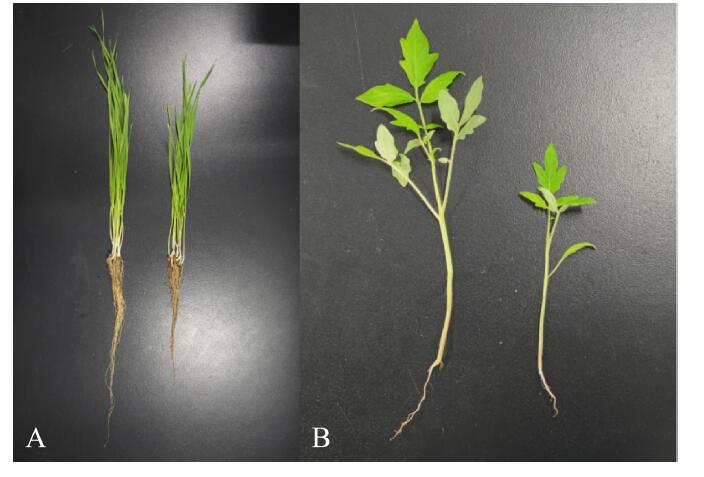
针对当前木霉菌剂产业化中液体发酵成本高、孢子产量低、固体发酵工艺粗放等问题,为实现具有促生抑菌活性的桔绿木霉(Trichoderma citrinoviride)HT-1分生孢子的低成本高效生产。本研究以农业废弃物为固体发酵基质,采用单因素试验、正交优化与响应面法(RSM),系统优化菌株HT-1的固体发酵基质配比与发酵条件,并通过盆栽试验验证其发酵产物对小麦、番茄幼苗的促生效果。结果表明:最优固体培养基质配比为玉米秸秆:麦麸:花生壳:棉籽壳=2:2:3:1;关键发酵参数为接种量14.22%,含水量48.89%,发酵时间13.27 d,此条件下菌株HT-1产孢量最高,达到了1.01×10¹¹个/g;盆栽试验显示,发酵产物可显著提升小麦、番茄的株高、根长、鲜重与干重(P<0.05)。本研究建立了一套农业废弃物资源化、高产孢量、工艺稳定的桔绿木霉固体发酵技术,为桔绿木霉HT-1菌株的生物菌剂产业化开发与绿色农业应用提供了科学依据与技术支撑,后续可进一步开展制剂化、田间稳定性与促生机制研究。
中图分类号:
王姣姣, 李静, 王红丽, 赵婧, 孙坤, 陈大为. 桔绿木霉HT-1分生孢子固体发酵优化及其对2种作物幼苗生长的影响[J]. 中国农学通报, 2026, 42(11): 39-49.
WANG Jiaojiao, LI Jing, WANG Hongli, ZHAO Jing, SUN Kun, CHEN Dawei. Optimization of Solid-state Fermentation of Trichoderma citrinoviride HT-1 Conidia and Its Effect on Two Crop Seedlings Growth[J]. Chinese Agricultural Science Bulletin, 2026, 42(11): 39-49.
| 名称 | 配方 |
|---|---|
| 麦麸培养基 | 100 g麦麸,1000 mL蒸馏水 |
| 大米培养基 | 100 g大米,1000 mL蒸馏水 |
| 黄豆培养基 | 100 g黄豆,1000 mL蒸馏水 |
| 玉米培养基 | 100 g玉米,1000 mL蒸馏水 |
| 马铃薯葡糖糖培养基 | 200 g马铃薯,20 g葡萄糖,1000 mL蒸馏水 |
| 名称 | 配方 |
|---|---|
| 麦麸培养基 | 100 g麦麸,1000 mL蒸馏水 |
| 大米培养基 | 100 g大米,1000 mL蒸馏水 |
| 黄豆培养基 | 100 g黄豆,1000 mL蒸馏水 |
| 玉米培养基 | 100 g玉米,1000 mL蒸馏水 |
| 马铃薯葡糖糖培养基 | 200 g马铃薯,20 g葡萄糖,1000 mL蒸馏水 |
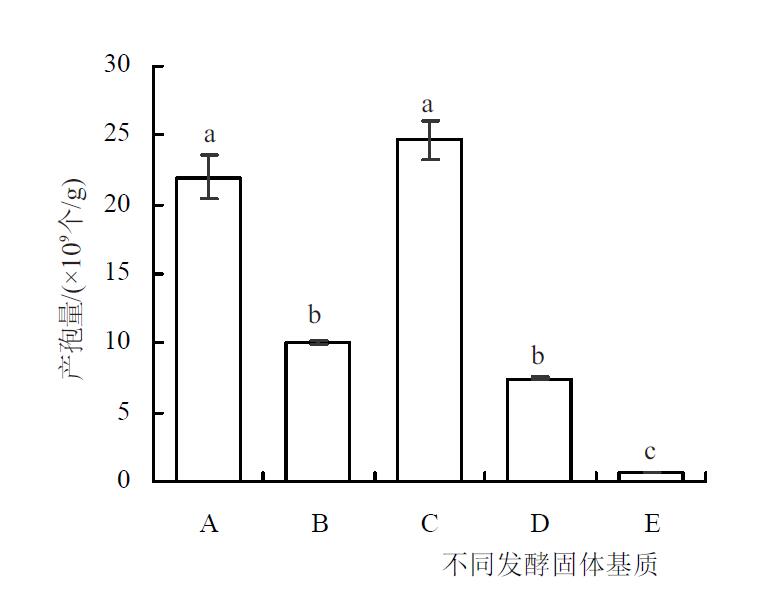
| 序号 | 因素 | 产孢量/(×1010个/g) | |||
|---|---|---|---|---|---|
| 玉米秸秆 | 麦麸 | 花生壳 | 棉籽壳 | ||
| 1 | 1 | 1 | 1 | 1 | 7.45±0.23 b |
| 2 | 1 | 2 | 2 | 2 | 4.83±0.13 d |
| 3 | 1 | 3 | 3 | 3 | 4.83±0.28 d |
| 4 | 2 | 1 | 2 | 3 | 6.87±0.08 c |
| 5 | 2 | 2 | 3 | 1 | 8.57±0.32 a |
| 6 | 2 | 3 | 1 | 2 | 2.42±0.28 f |
| 7 | 3 | 1 | 3 | 2 | 3.55±0.05 e |
| 8 | 3 | 2 | 1 | 3 | 3.90±0.22 e |
| 9 | 3 | 3 | 2 | 1 | 6.53±0.60 c |
| 序号 | 因素 | 产孢量/(×1010个/g) | |||
|---|---|---|---|---|---|
| 玉米秸秆 | 麦麸 | 花生壳 | 棉籽壳 | ||
| 1 | 1 | 1 | 1 | 1 | 7.45±0.23 b |
| 2 | 1 | 2 | 2 | 2 | 4.83±0.13 d |
| 3 | 1 | 3 | 3 | 3 | 4.83±0.28 d |
| 4 | 2 | 1 | 2 | 3 | 6.87±0.08 c |
| 5 | 2 | 2 | 3 | 1 | 8.57±0.32 a |
| 6 | 2 | 3 | 1 | 2 | 2.42±0.28 f |
| 7 | 3 | 1 | 3 | 2 | 3.55±0.05 e |
| 8 | 3 | 2 | 1 | 3 | 3.90±0.22 e |
| 9 | 3 | 3 | 2 | 1 | 6.53±0.60 c |
| 编号 | A | B | C | D | E | F | G | 产孢量/(×1010个/g) |
|---|---|---|---|---|---|---|---|---|
| 1 | 1 | -1 | 1 | -1 | -1 | -1 | 1 | 1.77±0.11i |
| 2 | 1 | 1 | -1 | 1 | -1 | -1 | -1 | 4.43±0.10f |
| 3 | -1 | 1 | 1 | -1 | 1 | -1 | -1 | 6.80±0.05b |
| 4 | 1 | -1 | 1 | 1 | -1 | 1 | -1 | 3.68±0.09g |
| 5 | 1 | 1 | -1 | 1 | 1 | -1 | 1 | 2.05±0.03h |
| 6 | 1 | 1 | 1 | -1 | 1 | 1 | -1 | 6.53±0.12c |
| 7 | -1 | 1 | 1 | 1 | -1 | 1 | 1 | 9.78±0.14a |
| 8 | -1 | -1 | 1 | 1 | 1 | -1 | 1 | 6.12±0.02d |
| 9 | -1 | -1 | -1 | 1 | 1 | 1 | -1 | 5.17±0.02e |
| 10 | 1 | -1 | -1 | -1 | 1 | 1 | 1 | 1.05±0.03j |
| 11 | -1 | 1 | -1 | -1 | -1 | 1 | 1 | 4.20±0.08f |
| 12 | -1 | -1 | -1 | -1 | -1 | -1 | -1 | 1.00±0.10j |
| 编号 | A | B | C | D | E | F | G | 产孢量/(×1010个/g) |
|---|---|---|---|---|---|---|---|---|
| 1 | 1 | -1 | 1 | -1 | -1 | -1 | 1 | 1.77±0.11i |
| 2 | 1 | 1 | -1 | 1 | -1 | -1 | -1 | 4.43±0.10f |
| 3 | -1 | 1 | 1 | -1 | 1 | -1 | -1 | 6.80±0.05b |
| 4 | 1 | -1 | 1 | 1 | -1 | 1 | -1 | 3.68±0.09g |
| 5 | 1 | 1 | -1 | 1 | 1 | -1 | 1 | 2.05±0.03h |
| 6 | 1 | 1 | 1 | -1 | 1 | 1 | -1 | 6.53±0.12c |
| 7 | -1 | 1 | 1 | 1 | -1 | 1 | 1 | 9.78±0.14a |
| 8 | -1 | -1 | 1 | 1 | 1 | -1 | 1 | 6.12±0.02d |
| 9 | -1 | -1 | -1 | 1 | 1 | 1 | -1 | 5.17±0.02e |
| 10 | 1 | -1 | -1 | -1 | 1 | 1 | 1 | 1.05±0.03j |
| 11 | -1 | 1 | -1 | -1 | -1 | 1 | 1 | 4.20±0.08f |
| 12 | -1 | -1 | -1 | -1 | -1 | -1 | -1 | 1.00±0.10j |
| 因子 | 效应 | T值 | P值 | 重要性排序 |
|---|---|---|---|---|
| A | -2.258 | -2.74 | 0.034 | 3 |
| B | 2.503 | 3.04 | 0.023 | 2 |
| C | 2.797 | 3.39 | 0.015 | 1 |
| E | 1.647 | 2.00 | 0.093 | 4 |
| F | 0.475 | 0.58 | 0.585 | 5 |
| 因子 | 效应 | T值 | P值 | 重要性排序 |
|---|---|---|---|---|
| A | -2.258 | -2.74 | 0.034 | 3 |
| B | 2.503 | 3.04 | 0.023 | 2 |
| C | 2.797 | 3.39 | 0.015 | 1 |
| E | 1.647 | 2.00 | 0.093 | 4 |
| F | 0.475 | 0.58 | 0.585 | 5 |
| 编号 | A:接种量/% | B:含水量/% | C:发酵时间/d | 产孢量/(×1010个/g) |
|---|---|---|---|---|
| 1 | 15 | 20 | 7 | 3.87±0.06f |
| 2 | 12.5 | 30 | 10 | 5.23±0.19e |
| 3 | 10 | 40 | 14 | 9.90±0.10a |
| 4 | 7.5 | 50 | 17 | 6.58±0.04b |
| 5 | 5 | 60 | 21 | 6.18±0.09c |
| 6 | 2.5 | 70 | 24 | 5.60±0.16d |
| 编号 | A:接种量/% | B:含水量/% | C:发酵时间/d | 产孢量/(×1010个/g) |
|---|---|---|---|---|
| 1 | 15 | 20 | 7 | 3.87±0.06f |
| 2 | 12.5 | 30 | 10 | 5.23±0.19e |
| 3 | 10 | 40 | 14 | 9.90±0.10a |
| 4 | 7.5 | 50 | 17 | 6.58±0.04b |
| 5 | 5 | 60 | 21 | 6.18±0.09c |
| 6 | 2.5 | 70 | 24 | 5.60±0.16d |
| 编号 | 接种量/% | 含水量/% | 发酵时间/d | 产孢量/(×1010个/g) |
|---|---|---|---|---|
| 1 | -1 | -1 | 0 | 6.48±0.04fg |
| 2 | 1 | -1 | 0 | 6.02±0.02h |
| 3 | -1 | 1 | 0 | 5.98±0.02h |
| 4 | 1 | 1 | 0 | 9.28±0.02c |
| 5 | -1 | 0 | -1 | 6.55±0.06f |
| 6 | 1 | 0 | -1 | 7.27±0.14e |
| 7 | -1 | 0 | 1 | 6.47±0.07fg |
| 8 | 1 | 0 | 1 | 6.65±0.08f |
| 9 | 0 | -1 | -1 | 6.30±0.09g |
| 10 | 0 | 1 | -1 | 8.28±0.06d |
| 11 | 0 | -1 | 1 | 5.60±0.00i |
| 12 | 0 | 1 | 1 | 7.38±0.10e |
| 13 | 0 | 0 | 0 | 10.63±0.03ab |
| 14 | 0 | 0 | 0 | 10.72±0.02ab |
| 15 | 0 | 0 | 0 | 10.87±0.04a |
| 编号 | 接种量/% | 含水量/% | 发酵时间/d | 产孢量/(×1010个/g) |
|---|---|---|---|---|
| 1 | -1 | -1 | 0 | 6.48±0.04fg |
| 2 | 1 | -1 | 0 | 6.02±0.02h |
| 3 | -1 | 1 | 0 | 5.98±0.02h |
| 4 | 1 | 1 | 0 | 9.28±0.02c |
| 5 | -1 | 0 | -1 | 6.55±0.06f |
| 6 | 1 | 0 | -1 | 7.27±0.14e |
| 7 | -1 | 0 | 1 | 6.47±0.07fg |
| 8 | 1 | 0 | 1 | 6.65±0.08f |
| 9 | 0 | -1 | -1 | 6.30±0.09g |
| 10 | 0 | 1 | -1 | 8.28±0.06d |
| 11 | 0 | -1 | 1 | 5.60±0.00i |
| 12 | 0 | 1 | 1 | 7.38±0.10e |
| 13 | 0 | 0 | 0 | 10.63±0.03ab |
| 14 | 0 | 0 | 0 | 10.72±0.02ab |
| 15 | 0 | 0 | 0 | 10.87±0.04a |
| 来源 | 均方和 | 自由度 | 均方 | F值 | P值 | 显著性 |
|---|---|---|---|---|---|---|
| 模型 | 47.65 | 9 | 5.29 | 36.7 | 0.0005 | 显著 |
| A | 1.74 | 1 | 1.74 | 12.07 | 0.0178 | |
| B | 5.34 | 1 | 5.34 | 36.98 | 0.0017 | |
| C | 0.66 | 1 | 0.66 | 4.58 | 0.0852 | |
| AB | 3.55 | 1 | 3.55 | 24.58 | 0.0043 | |
| AC | 0.071 | 1 | 0.071 | 0.49 | 0.514 | |
| BC | 0.01 | 1 | 0.01 | 0.069 | 0.8029 | |
| A2 | 14.44 | 1 | 14.44 | 100.1 | 0.0002 | |
| B2 | 12.22 | 1 | 12.22 | 84.71 | 0.0003 | |
| C2 | 15.18 | 1 | 15.18 | 105.22 | 0.0002 | |
| 残差 | 0.72 | 5 | 0.14 | |||
| 失拟 | 0.69 | 3 | 0.23 | 16.53 | 0.0576 | 不显著 |
| 纯误差 | 0.028 | 2 | 0.014 | |||
| 合计 | 48.38 | 14 |
| 来源 | 均方和 | 自由度 | 均方 | F值 | P值 | 显著性 |
|---|---|---|---|---|---|---|
| 模型 | 47.65 | 9 | 5.29 | 36.7 | 0.0005 | 显著 |
| A | 1.74 | 1 | 1.74 | 12.07 | 0.0178 | |
| B | 5.34 | 1 | 5.34 | 36.98 | 0.0017 | |
| C | 0.66 | 1 | 0.66 | 4.58 | 0.0852 | |
| AB | 3.55 | 1 | 3.55 | 24.58 | 0.0043 | |
| AC | 0.071 | 1 | 0.071 | 0.49 | 0.514 | |
| BC | 0.01 | 1 | 0.01 | 0.069 | 0.8029 | |
| A2 | 14.44 | 1 | 14.44 | 100.1 | 0.0002 | |
| B2 | 12.22 | 1 | 12.22 | 84.71 | 0.0003 | |
| C2 | 15.18 | 1 | 15.18 | 105.22 | 0.0002 | |
| 残差 | 0.72 | 5 | 0.14 | |||
| 失拟 | 0.69 | 3 | 0.23 | 16.53 | 0.0576 | 不显著 |
| 纯误差 | 0.028 | 2 | 0.014 | |||
| 合计 | 48.38 | 14 |
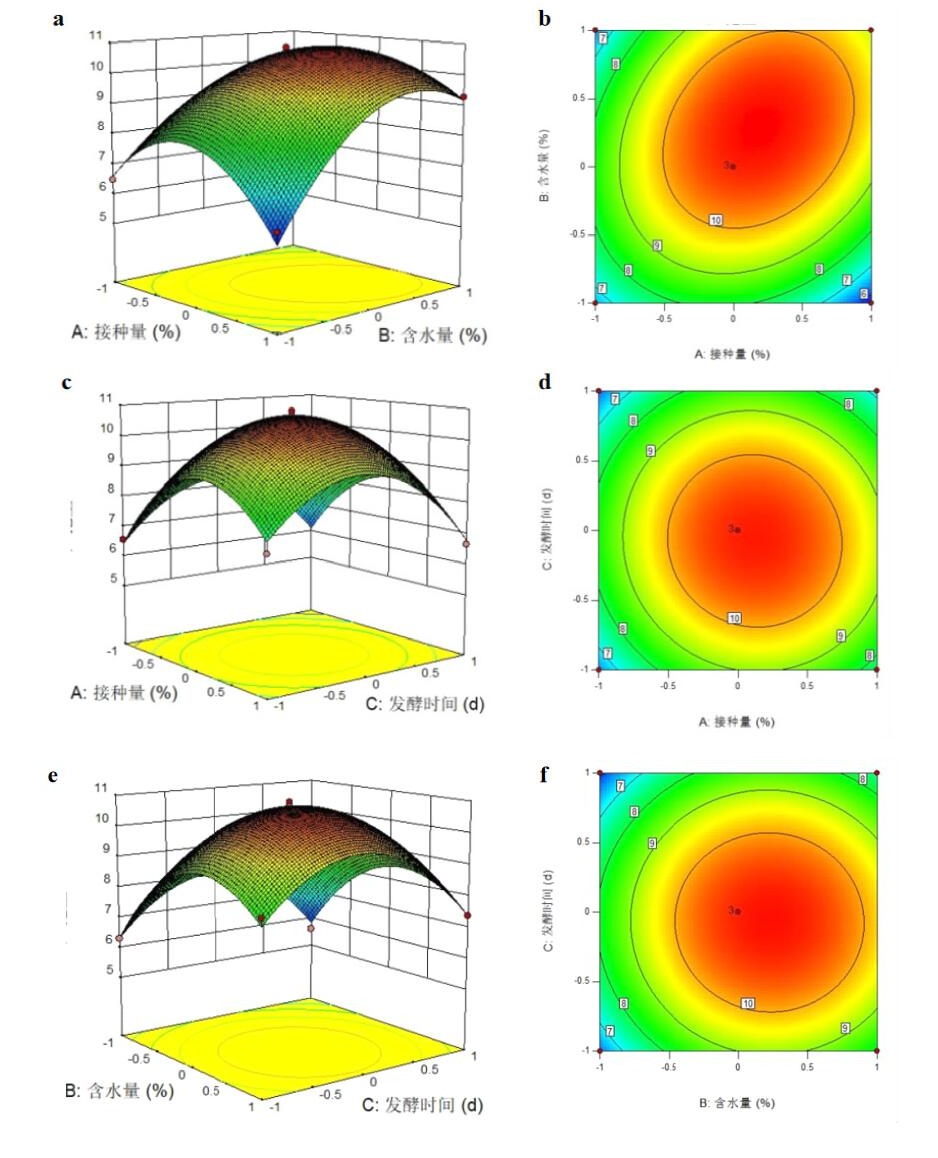
| 作物 | 处理 | 株高/cm | 根长/cm | 整株鲜重/mg | 整株干重/mg |
|---|---|---|---|---|---|
| 小麦 | 菌肥 | 29.59±1.32 a | 16.14±1.22 a | 244.92±14.38 a | 36.09±1.11 a |
| CK | 20.38±1.04 b | 12.15±0.77 b | 176.66±9.74 b | 21.90±1.25 b | |
| 番茄 | 菌肥 | 18.56±0.75 a | 6.43±0.35 a | 1432.35±23.97 a | 134.88±7.62 a |
| CK | 12.31±0.94 b | 2.56±0.19 b | 1100.61±14.09 b | 108.83±1.86 b |
| 作物 | 处理 | 株高/cm | 根长/cm | 整株鲜重/mg | 整株干重/mg |
|---|---|---|---|---|---|
| 小麦 | 菌肥 | 29.59±1.32 a | 16.14±1.22 a | 244.92±14.38 a | 36.09±1.11 a |
| CK | 20.38±1.04 b | 12.15±0.77 b | 176.66±9.74 b | 21.90±1.25 b | |
| 番茄 | 菌肥 | 18.56±0.75 a | 6.43±0.35 a | 1432.35±23.97 a | 134.88±7.62 a |
| CK | 12.31±0.94 b | 2.56±0.19 b | 1100.61±14.09 b | 108.83±1.86 b |
| [1] |
杨丹丹, 杨传伦, 张心青, 等. 响应面法优化绿色木霉产孢子固体发酵培养基[J]. 中国农学通报, 2020, 36(36):84-92.
doi: 10.11924/j.issn.1000-6850.casb20200100045 |
| [2] |
阮盈盈, 刘峰. 木霉菌生物防治作用机制与应用研究进展[J]. 浙江农业科学, 2020, 61(11):2290-2294.
doi: 10.16178/j.issn.0528-9017.20201130 |
| [3] |
陈建妙, 曹英建, 瞿金旺, 等. 哈茨木霉对黑麦草气体交换和生长发育的影响[J]. 北方园艺, 2023, 1(4):53-59.
|
| [4] |
廉华, 刘静依, 马光恕, 等. 生物炭和木霉菌对黄瓜生长及枯萎病防治效果的影响[J]. 干旱地区农业研究, 2024, 42(6):206-215.
|
| [5] |
尤佳琪, 杨红娟, 朱丽华, 等. 拟康宁木霉T-51的固体发酵参数优化[J]. 微生物学通报, 2024, 51(10):4149-4161.
|
| [6] |
杨小龙, 石朝慧, 乔燚, 等. 基于聚氨酯海绵载体的棘孢木霉固体发酵培养基筛选[J]. 中国生物防治学报, 2022, 38(1):88-96.
doi: 10.16409/j.cnki.2095-039x.2021.08.004 |
| [7] |
商美妮. 木霉固体发酵培养条件优化及含木霉生物基质育苗效应研究[D]. 南京: 南京农业大学, 2020.
|
| [8] |
doi: 10.1016/j.funbio.2023.06.007 pmid: 37495305 |
| [9] |
doi: 10.1186/s12896-022-00772-4 pmid: 36694155 |
| [10] |
王永迪, 邱孟娇, 张晓华, 等. 内生真菌LZY9固体发酵丹参茎叶产纤维素酶的工艺条件优化[J]. 山东第一医科大学学报, 2021, 42(5):375-379.
|
| [11] |
李高强, 张旭斌, 牛俊轲, 等. 枯草芽孢杆菌BYA-KC-4产表面活性素发酵条件的优化[J]. 饲料研究, 2024, 47(14):107-112.
|
| [12] |
doi: 10.1007/s10658-023-02745-5 |
| [13] |
doi: 10.1016/j.biortech.2024.132017 URL |
| [14] |
高立红, 江志阳, 尹微. 淡紫拟青霉固体发酵工艺研究[J]. 微生物学杂志, 2020, 40(6):36-43.
|
| [15] |
杨昌发, 唐彩艳, 孙冰, 等. 橘绿木霉GF-11发酵刺梨渣的响应面法优化[J]. 中国生物防治学报, 2024, 40(2):448-457.
doi: 10.16409/j.cnki.2095-039x.2024.02.014 |
| [16] |
doi: 10.1371/journal.pone.0236739 URL |
| [17] |
廖钫哲, 白国栋, 李如华, 等. 基于响应面的生防真菌AH-1固体发酵条件优化[J]. 陆地生态系统与保护学报, 2024, 4(4):27-33,77.
|
| [18] |
doi: 10.3390/agronomy11040726 URL |
| [19] |
李艳娟, 刘博, 庄正, 等. 哈茨木霉与绿色木霉对杉木种子萌发和幼苗生长的影响[J]. 应用生态学报, 2017, 28(9):2961-2966.
|
| [20] |
谢琳淼, 常春丽, 姚志红, 等. 哈茨木霉对紫羊茅和草地早熟禾的促生及抗性诱导作用[J]. 草业科学, 2018, 35(9):2079-2086.
|
| [21] |
袁扬, 王胤晨, 曾兵, 等. 5株木霉菌株对鸭茅生长及营养品质的影响[J]. 草业科学, 2018, 35(2):391-397.
|
| [22] |
赵兴丽, 陶刚, 赵玳琳, 等. 钩状木霉ACCC31649的GFP标记及其对辣椒定殖和促生作用[J]. 植物营养与肥料学报, 2017, 23(5):1276-1285.
|
| [23] |
doi: 10.1021/acs.jafc.3c07658 URL |
| [24] |
doi: 10.3390/jof9111123 URL |
| [25] |
陈阳, 洪厚胜. 响应面法优化紫色红曲霉产酸式MonacolinK发酵条件[J]. 中国酿造, 2025, 44(2):219-225.
doi: 10.11882/j.issn.0254-5071.2025.02.032 |
| [26] |
杨丹丹, 王建平, 马娜娜, 等. 绿色木霉固体发酵产孢子的条件优化[J]. 中国农学通报, 2020, 36(12):111-119.
doi: 10.11924/j.issn.1000-6850.casb18120119 |
| [27] |
doi: 10.1007/s00449-025-03189-3 |
| [28] |
孙萌, 宁松瑞, 颜安, 等. 生物菌肥下小麦苗期生长及土壤微生物的特征[J]. 湖北农业科学, 2024, 63(4):24-29.
|
| [1] | 王丽娜, 齐国超, 任翠梅, 顾鑫, 张宏宇, 王迪, 芮海英. 3种农业废弃物对苏打盐碱荒地改良效果的研究[J]. 中国农学通报, 2026, 42(9): 76-81. |
| [2] | 黄雅淇, 李祥平, 丁渝, 傅欣怡, 廖钦洪, 张文林. 响应面法优化生姜秸秆改性生物炭对氨氮吸附性能的研究[J]. 中国农学通报, 2025, 41(16): 82-89. |
| [3] | 侯晨薇, 郭亚晴, 程诚, 王琪. 叶面肥在农业生产中的作用与机制研究进展[J]. 中国农学通报, 2025, 41(11): 132-139. |
| [4] | 吴少博, 邢力元, 王进朝, 贾梦珂, 刘春晖, 周琼琼, 王龙. 农业废弃物资源化利用的国内外研究热点和发展趋势分析[J]. 中国农学通报, 2024, 40(8): 148-156. |
| [5] | 逯盼盼, 王国权, 刘飞飞, 李嘉欣, 王龙贺, 李卫国, 周锋, 刘润强. 3种植物生长调节剂对甘薯苗期性状的影响研究[J]. 中国农学通报, 2024, 40(35): 14-19. |
| [6] | 赵佳, 胡晓航, 李彦丽. 甜菜糖厂滤泥与生物炭配施对东北黑土农田土壤性质和有机碳组分影响的研究[J]. 中国农学通报, 2024, 40(26): 38-45. |
| [7] | 尉吉乾, 李丹, 王京文, 黄越, 莫建初. 农林废弃物的资源化利用研究进展[J]. 中国农学通报, 2023, 39(6): 77-81. |
| [8] | 薛锐, 沈绍运, 邓细周, 陈聪, 彭跃进, 杜广祖, 陈斌. 响应面法优化莱氏绿僵菌SL200714菌株液态发酵培养条件[J]. 中国农学通报, 2023, 39(6): 135-143. |
| [9] | 孟静, 张丽慧, 白变霞, 任嘉红. 一株党参根际促生长菌的促生长特性及其挥发性物质对农作物生长的影响[J]. 中国农学通报, 2023, 39(30): 123-131. |
| [10] | 何志鹏, 王仕宝, 胡本祥, 张慧, 陈垣, 唐文强, 胡亚刚. 基于响应面法优化环烯醚萜苷提取工艺研究[J]. 中国农学通报, 2023, 39(25): 130-138. |
| [11] | 张双燕, 任浩, 丁文清, 吴玉涛. 农业废弃物稻壳材料化利用研究进展[J]. 中国农学通报, 2022, 38(9): 101-108. |
| [12] | 王向平, 张建海, 冯彬彬. 超声辅助响应面法优化种植佛手中橙皮苷和柚皮苷提取工艺的研究[J]. 中国农学通报, 2022, 38(4): 113-119. |
| [13] | 张峻伟, 张晓虎, 徐愉聪. 南五味子酯乙-Nisin-KGM复合涂膜剂在鲜肉保鲜中的研究[J]. 中国农学通报, 2022, 38(34): 120-129. |
| [14] | 任绪瑞, 王一辉, 杨红宇, 袁亮, 赵越. 农业有机废弃物集中回收处理后资源化利用体系研究——以甘南县兴鲜村为例[J]. 中国农学通报, 2022, 38(33): 74-79. |
| [15] | 王文萱, 李云鹏, 徐鹤宁, 赵鑫, 马柔, 张丽娜, 张莹莹. 水茄叶片总皂苷超声提取工艺的研究[J]. 中国农学通报, 2022, 38(30): 118-125. |
| 阅读次数 | ||||||
|
全文 |
|
|||||
|
摘要 |
|
|||||
