欢迎访问《中国农学通报》,

中国农学通报 ›› 2026, Vol. 42 ›› Issue (3): 37-47.doi: 10.11924/j.issn.1000-6850.casb2025-0419
盘冬瓒1,2( ), 廖钰3, 邵秀红1, 李集勤1, 马柱文1, 邹明民1, 高三基2, 潘晓英1, 黄振瑞1()
收稿日期:2025-05-30
修回日期:2025-10-11
出版日期:2026-02-15
发布日期:2026-02-09
通讯作者:
作者简介:盘冬瓒,男,2001年出生,广西来宾人,在读硕士生,研究方向:烟草学。通信地址:510640 广东省广州市天河区五山街道金颖西二街18号 广东省农业科学院作物研究所,E-mail:1259185188@qq.com。
基金资助:
PAN Dongzan1,2(), LIAO Yu3, SHAO Xiuhong1, LI Jiqin1, MA Zhuwen1, ZOU Mingmin1, GAO Sanji2, PAN Xiaoying1, HUANG Zhenrui1()
Received:2025-05-30
Revised:2025-10-11
Published:2026-02-15
Online:2026-02-09
摘要:
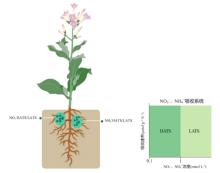
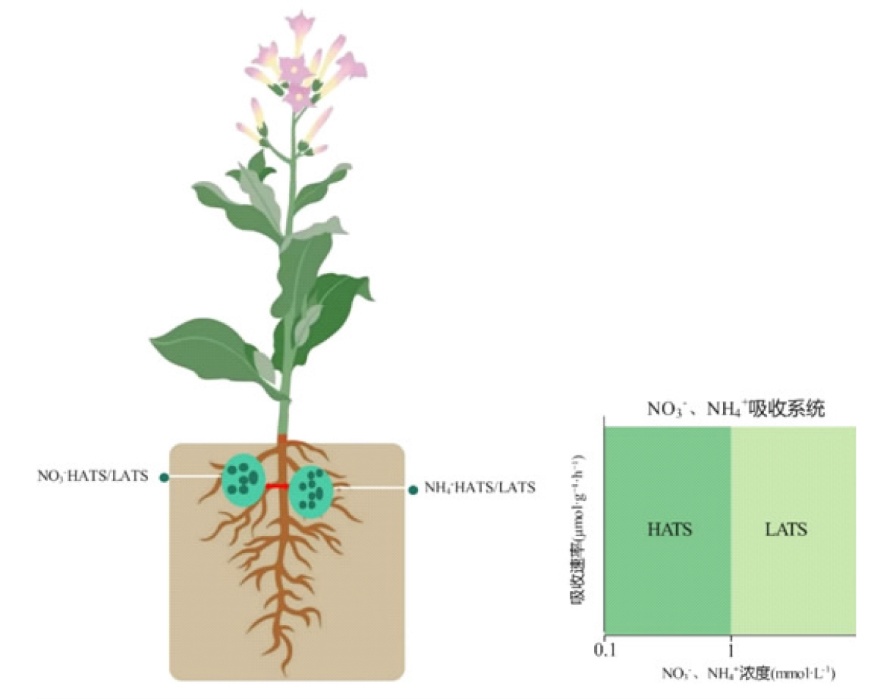
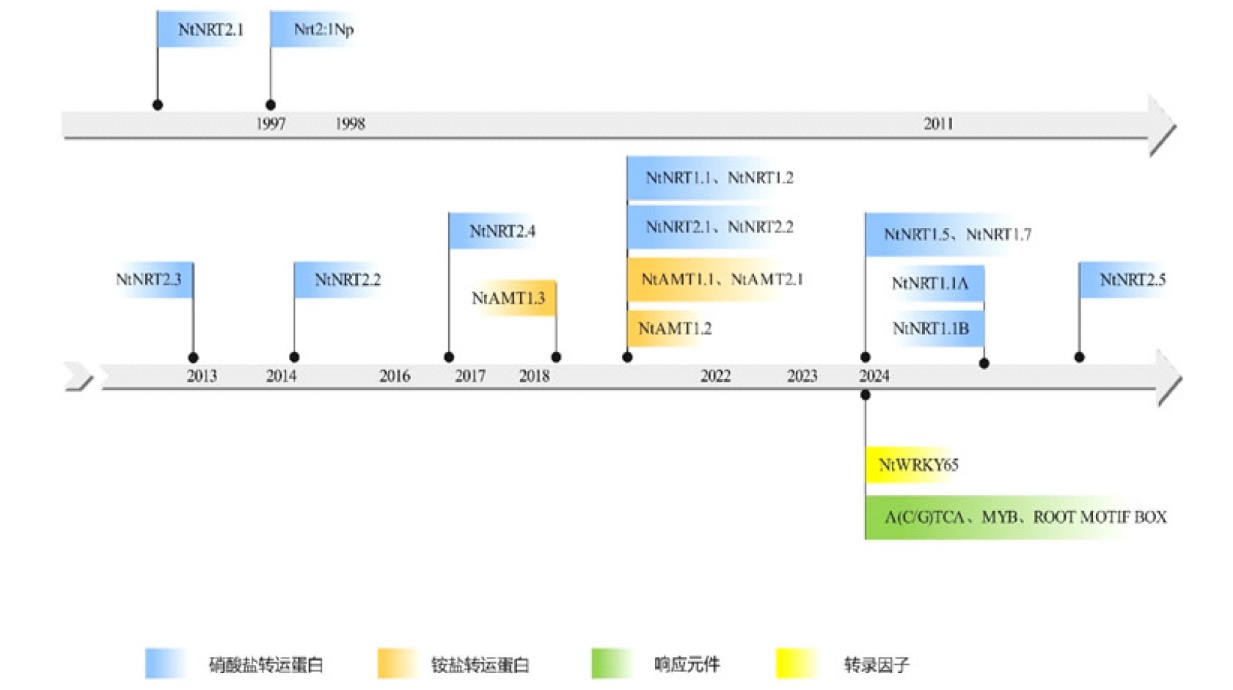
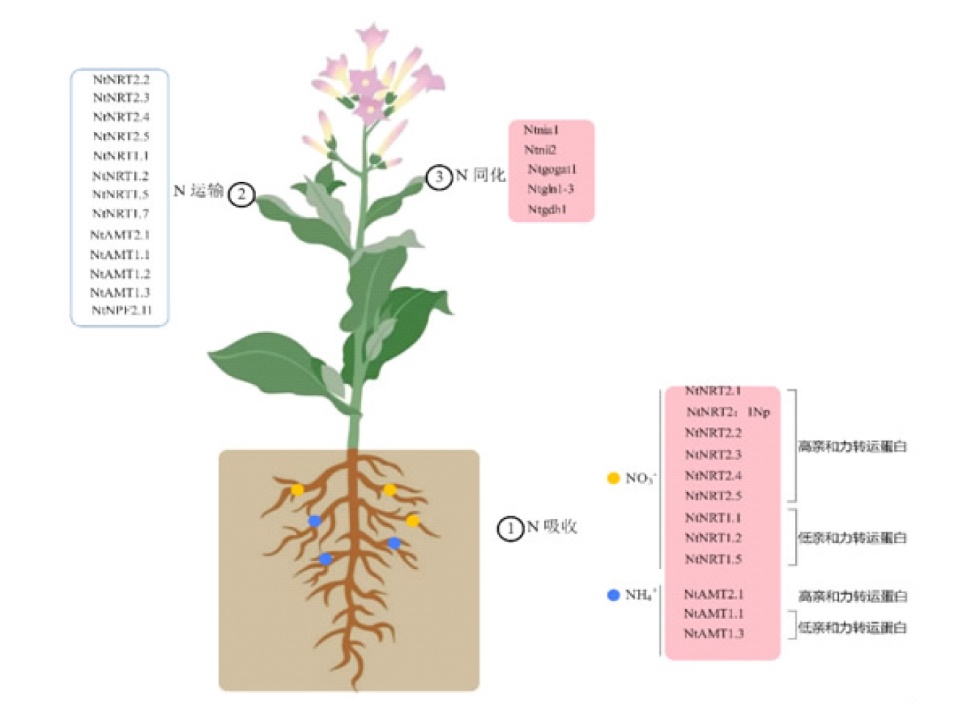
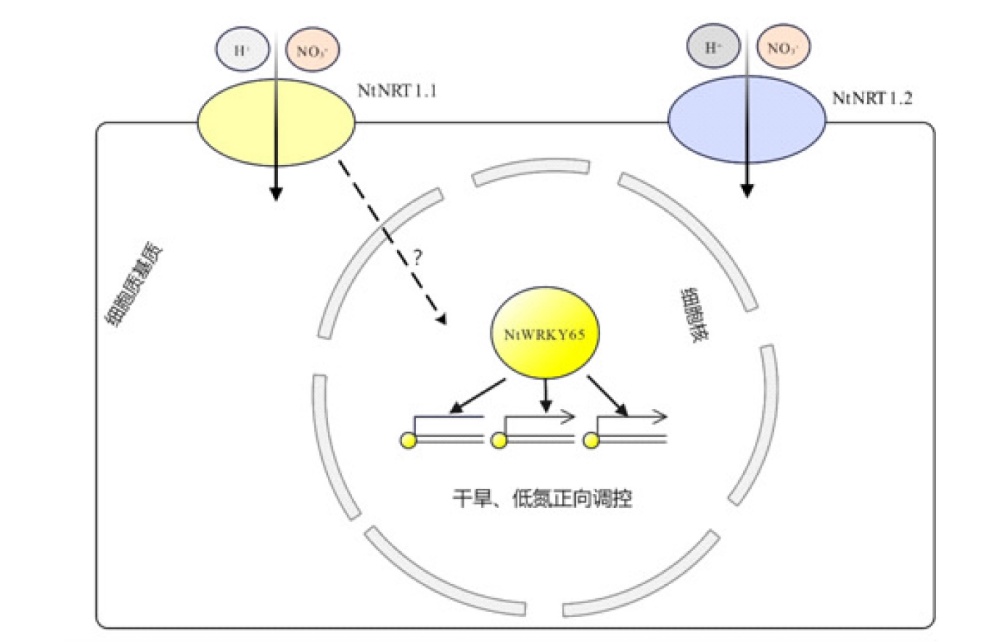
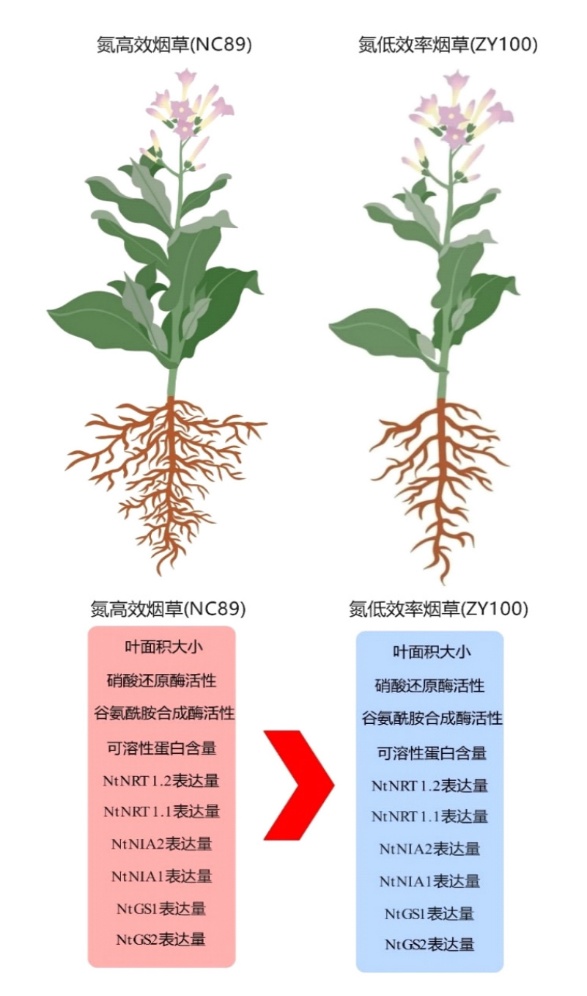
针对烟草生产中氮肥过量施用导致品质下降与环境污染,且氮素利用机制、精准施氮标准及育种靶点不明确的问题,为完善烟草氮营养调控理论与氮高效改良技术,本文综述烟草对硝态氮、铵态氮的吸收、分配与利用机制,总结烟草氮转运蛋白(NRT、AMT家族)的功能及表达特征,分析烟草氮素传感及信号传导的关键因子(硝酸盐受体、转录因子等)与调控路径,梳理氮高效提升的主要途径与遗传改良进展。结果显示:(1)烟草通过高/低亲和力转运系统吸收硝态氮、铵态氮,其同化依赖硝酸还原酶(NR)、亚硝酸还原酶(NiR)、谷氨酰胺合成酶(GS)等关键酶;(2)NRT家族主导硝态氮转运,AMT家族调控铵态氮吸收,转录因子NtWRKY65等参与氮信号传导;(3)不同烟区适宜施氮量差异显著(南方100~150 kg/hm2、北方82.5~90 kg/hm2),NO3-/NH4+比例1:1适配多数品种;(4)已筛选出K326、G80等双高效型品种,明确叶面积、酶活性等氮效率相关指标。综上,烟草氮营养调控涉及吸收、转运、信号传导多环节协同,合理施肥与品种改良是提升氮效率的核心路径。未来需开展多区域试验明确精准施氮参数,挖掘氮代谢关键分子靶点,结合分子技术与传统育种培育氮高效品种,为烟草绿色生产提供支撑。
盘冬瓒, 廖钰, 邵秀红, 李集勤, 马柱文, 邹明民, 高三基, 潘晓英, 黄振瑞. 烟草氮营养生理、分子与遗传改良研究进展[J]. 中国农学通报, 2026, 42(3): 37-47.
PAN Dongzan, LIAO Yu, SHAO Xiuhong, LI Jiqin, MA Zhuwen, ZOU Mingmin, GAO Sanji, PAN Xiaoying, HUANG Zhenrui. Research Progress on Physiological, Molecular, and Genetic Improvement of Nitrogen Nutrition in Tobacco[J]. Chinese Agricultural Science Bulletin, 2026, 42(3): 37-47.
| [1] |
苏德成, 王元英, 王树声, 等. 中国烟草栽培学[M]. 上海: 上海科学技术出版社, 2005.
|
| [2] |
王少先, 彭克勤, 夏石头, 等. 烟草碳、氮代谢及氮肥施用对烟草产量和品质的影响[J]. 中国农学通报, 2004(2):135-138.
|
| [3] |
耿素祥, 王树会, 刘卫群. 不同施氮条件对烤烟打顶前后代谢及物质积累的影响[J]. 中国生态农业学报, 2011, 19(6):1250-1254.
|
| [4] |
冯雨晴. 烤烟和白肋烟硝酸盐积累差异及调控技术研究[D]. 郑州: 河南农业大学, 2024.
|
| [5] |
沈善敏. 长期土壤肥力试验的科学价值[J]. 植物营养与肥料学报, 1995(1):1-9.
|
| [6] |
何明洁. 烟草K326、红花大金元对NO3-和NH4+的吸收利用的生理学研究[D]. 长沙: 湖南农业大学, 2017.
|
| [7] |
谢志坚. 移栽期和氮肥对烤烟氮素吸收利用及烟碱积累的影响[D]. 武汉: 华中农业大学, 2009.
|
| [8] |
李中民, 杨铁钊, 段旺军, 等. 不同基因型烟草苗期对硝态氮和铵态氮吸收动力学特征研究[J]. 江苏农业科学, 2011, 39(2):155-157.
|
| [9] |
doi: 10.1093/jexbot/53.370.855 pmid: 11912228 |
| [10] |
doi: 10.1016/j.tplants.2012.04.006 URL |
| [11] |
雷广海. 烟草矿质营养相互关系研究[D]. 郑州: 河南农业大学, 2003.
|
| [12] |
doi: 10.1104/pp.103.4.1259 URL |
| [13] |
陈子明. 氮素、产量、环境[M]. 北京: 中国农业科技出版社, 1996.
|
| [14] |
潘越. 过表达ZmNF-YA13提高烟草和玉米氮营养吸收[D]. 大连: 大连理工大学, 2021.
|
| [15] |
doi: 10.1093/jxb/erw103 pmid: 26969743 |
| [16] |
李玉静, 冯雨晴, 赵园园, 等. 不同形态氮素吸收利用及其对植物生理代谢影响的综述[J]. 中国农业科技导报, 2023, 25(2):128-139.
doi: 10.13304/j.nykjdb.2021.0909 |
| [17] |
徐晓鹏, 傅向东, 廖红. 植物铵态氮同化及其调控机制的研究进展[J]. 植物学报, 2016, 51(2):152-166.
doi: 10.11983/CBB15077 |
| [18] |
陈萍, 李天福, 张晓海, 等. 利用15N示踪技术探讨烟株对氮素肥料的吸收与分配[J]. 云南农业大学学报, 2003(1):1-4.
|
| [19] |
魏成熙, 钱晓刚. 烟草对氮吸收利用的研究[J]. 耕作与栽培, 1995(3):37-41.
|
| [20] |
杨宏敏, 陆引罡, 魏成照, 等. 应用15N示踪研究烤烟对氮的吸收及分布[J]. 贵州农业科学, 1991(5):29-33.
|
| [21] |
|
| [22] |
doi: 10.1023/A:1005872816881 |
| [23] |
doi: 10.1046/j.1365-313x.1998.00181.x URL |
| [24] |
许金兰, 谢小东, 冯爽, 等. 烟草硝酸盐转运蛋白基因的克隆及表达分析[J]. 烟草科技, 2013(7):68-71.
|
| [25] |
黄化刚, 申燕, 王卫峰, 等. 烟草硝酸盐转运蛋白基因NtNRT2.4的克隆及表达分析[J]. 中国烟草学报, 2016, 22(1):84-91.
|
| [26] |
doi: 10.3389/fpls.2018.00210 URL |
| [27] |
李晨依, 朱紫童, 湛佳伟, 等. 烟草高亲和硝酸盐转运蛋白基因NtNRT2.5的克隆及表达模式分析[J]. 中国烟草学报, 2024, 30(2):71-79.
|
| [28] |
尹卓然, 王驰, 轩栋栋, 等. 烟草硝酸盐转运蛋白NtNRT1.7基因的克隆、亚细胞定位及表达模式分析[J]. 烟草科技, 2022, 55(5):1-8.
|
| [29] |
|
| [30] |
|
| [31] |
doi: 10.1016/j.plantsci.2017.09.001 URL |
| [32] |
doi: 10.1016/j.molp.2016.05.004 pmid: 27212387 |
| [33] |
张玉宁, 史宏志, 王景, 等. 高、低硝态氮营养条件下烟草根系基因表达谱及代谢途径的差异分析[J]. 烟草科技, 2019, 52(4):1-8.
|
| [34] |
|
| [35] |
贾振宇. 烟草转录因子NtWRKY65在干旱和低氮胁迫中的功能研究[D]. 郑州: 河南农业大学, 2022.
|
| [36] |
党伟, 李茜, 叶歌斐, 等. 硝酸还原酶基因启动子NRE2元件缺失对烟草氮代谢的影响[J]. 核农学报, 2022, 36(2):322-328.
doi: 10.11869/j.issn.100-8551.2022.02.0322 |
| [37] |
梁喜欢. 烟草低氮胁迫下与氮相关的生理机制及基因表达量研究[D]. 南昌: 江西农业大学, 2020.
|
| [38] |
张黎明, 李云. 种植密度与施氮量对烤烟生长发育及产质量的影响[J]. 安徽农业科学, 2010, 38(23):12437-12438.
|
| [39] |
王建波. 种植密度和施氮量对邵阳烟区烤烟生长发育和产质量的影响[D]. 长沙: 湖南农业大学, 2015.
|
| [40] |
吴华建, 魏星, 李运有. 不同施氮量对K326烤烟品质的影响[J]. 安徽农学通报(上半月刊), 2010, 16(23):95-96.
|
| [41] |
谢廷鑫, 占朝琳, 练烨晶, 等. 不同施氮量对烤烟K326生长发育及品质的影响[J]. 江西农业学报, 2011, 23(9):18-20.
|
| [42] |
薛刚, 杨志晓, 张小全, 等. 不同氮肥用量和施用方式对烤烟生长发育及品质的影响[J]. 西北农业学报, 2012, 21(6):98-102.
|
| [43] |
尹冬, 张勇江, 张友武, 等. 不同施氮量对烤烟K326生长发育及产质量形成的影响[J]. 江西农业学报, 2015, 27(6):106-109.
|
| [44] |
张芬芬, 谭小兵. 不同施氮量及基追比对烤烟产质量的影响[J]. 安徽农业科学, 2017, 45(22):29-31.
|
| [45] |
占俊文, 梁淑平, 沈雪婷, 等. 不同施氮量对烤烟生长发育、感官评吸质量及烟碱含量的影响[J]. 山东农业科学, 2016, 48(4):75-78.
|
| [46] |
杨宁, 张铭真, 禹洋, 等. 不同施氮量对不同品种烤烟品质的影响[J]. 天津农业科学, 2019, 25(8):48-51.
|
| [47] |
梁太波, 王高杰, 张艳玲, 等. 不同氮效率烟草品种氮素营养特性的差异[J]. 烟草科技, 2013(12):63-66.
|
| [48] |
梁喜欢, 龚丝雨, 尼金玉, 等. 不同基因型烟草氮代谢关键酶活性对低氮胁迫的响应[J]. 分子植物育种, 2020, 18(22):7554-7561.
|
| [49] |
刘巧真, 陈廷贵, 闫小毛, 等. ‘豫烟9号’和‘中烟100’苗期生物学特性及氮代谢差异研究[J]. 中国农学通报, 2017, 33(5):35-39.
doi: 10.11924/j.issn.1000-6850.casb16040036 |
| [50] |
李智勇, 刘思英, 丁一, 等. 氮肥种类和形态对烤烟生育及产质的影响[J]. 中国烟草, 1991(1):18-23.
|
| [51] |
范钦桢. 铵对土壤钾素释放、固定影响的研究[J]. 土壤学报, 1993(3):245-252.
|
| [52] |
冯柱安, 彭桂芬. 不同氮素形态对烤烟品质影响的研究[J]. 中国烟草科学, 1998(4):13-17.
|
| [53] |
唐国俊, 高迟銮, 蒋士东, 等. 氮素形态及配比对烤烟的氮素利用率及品质的影响[J]. 湖南农业科学, 2014(16):21-23.
|
| [54] |
周方舟, 向铁军, 陈裕新, 等. 氮肥形态配比对烤烟生长和品质的影响[J]. 湖南农业科学, 2018(1):37-39.
|
| [55] |
王瑞宝, 时映, 夏开宝, 等. 氮肥形态及揭膜对烤烟生长及产量品质的影响[J]. 中国农学通报, 2007(10):449-453.
|
| [56] |
樊红柱, 曾祥忠, 顾会战, 等. 氮肥形态及运筹对烤烟产量与品质的影响[J]. 西南农业学报, 2016, 29(4):879-882.
|
| [57] |
单德鑫. 烤烟对氮肥的吸收利用及不同形态氮肥对烤烟产量和品质的影响[D]. 哈尔滨: 东北农业大学, 2002.
|
| [58] |
doi: 10.1071/FP07183 URL |
| [59] |
张亚丽, 樊剑波, 段英华, 等. 不同基因型水稻氮利用效率的差异及评价[J]. 土壤学报, 2008, 45(2):267-273.
|
| [60] |
钟思荣, 陈仁霄, 陶瑶, 等. 不同烟草基因型氮素吸收效率与利用效率差异[J]. 中国烟草科学, 2017, 38(4):58-63.
|
| [61] |
钟思荣, 陈仁霄, 陶瑶, 等. 耐低氮烟草基因型的筛选及其氮效率类型[J]. 作物学报, 2017, 43(7):993-1002.
|
| [62] |
doi: S1369-5266(16)30216-3 pmid: 28614749 |
| [63] |
钟思荣. 耐低氮、氮高效烟草基因型的筛选及其机理初探[D]. 南昌: 江西农业大学, 2018.
|
| [64] |
李敏, 张洪程, 杨雄, 等. 高产氮高效型粳稻品种的叶片光合及衰老特性研究[J]. 中国水稻科学, 2013, 27(2):168-176.
|
| [65] |
史宏志, 李志, 刘国顺, 等. 皖南焦甜香烤烟碳氮代谢差异分析及糖分积累变化动态[J]. 华北农学报, 2009, 24(3):144-148.
doi: 10.7668/hbnxb.2009.03.031 |
| [66] |
doi: 10.1093/jexbot/53.370.979 pmid: 11912240 |
| [67] |
刘化冰, 党伟, 李奇, 等. 烟草品种间氮素吸收和同化差异研究[J]. 中国农业科技导报, 2024, 26(11):66-78.
|
| [68] |
汪晓丽, 陶玥玥, 盛海君, 等. 硝态氮供应对小麦根系形态发育和氮吸收动力学的影响[J]. 麦类作物学报, 2010, 30(1):129-134.
|
| [69] |
刘洪祥, 佟道儒, 艾树理, 等. 烤烟新品种中烟90选育及其特征特性[J]. 中国烟草, 1993(1):24-30.
|
| [70] |
崔昌范, 吴国贺, 金妍姬, 等. 烤烟新品种吉烟九号的选育及其特征特性[J]. 中国烟草科学, 2009, 30(2):7-14.
|
| [71] |
李雪君, 孙焕, 段旺军, 等. 烤烟新品种豫烟7号的选育及其特征特性[J]. 中国烟草科学, 2011, 32(3):8-11.
|
| [72] |
于海芹, 卢秀萍, 肖炳光, 等. 烤烟新品种05的选育及其特征特性研究[J]. 云南农业大学学报(自然科学), 2012, 27(2):203-209.
|
| [73] |
刘起业, 周健, 杜传印, 等. 烤烟新品种鲁烟2号的选育及其主要特征特性[J]. 中国烟草科学, 2014(1):1-6.
|
| [74] |
杨志晓, 夏海乾, 蔡凯, 等. 特色烟草新品种贵烟28的选育及其特征特性[J]. 中国烟草科学, 2024, 45(5):1-7.
|
| [1] | 杨磊, 郝焕焕, 胡心雨, 易克, 荆永锋, 黄文坤. 烟草病虫害生物防治技术研究进展和应用前景[J]. 中国农学通报, 2026, 42(3): 163-170. |
| [2] | 蒋坤莲, 冯长春, 韩利红, 孙龙, 黄康慧, 江鸿, 蔡艳. 新型生物有机肥对烤烟生长的影响[J]. 中国农学通报, 2026, 42(1): 20-26. |
| [3] | 丁海, 王胜利, 张燕, 张宝, 马尚毅, 刘东, 崔瑞斌, 陈彬, 于涛, 张若男, 董建飞, 邢朔, 王兆宝, 张怀宝. 农艺管控方式对烟叶氯离子含量的影响研究[J]. 中国农学通报, 2025, 41(28): 26-33. |
| [4] | 张钰婧, 张庆奥, 贺宇欣, 谭霄, 谭博. 模拟深地封闭环境中本氏烟草环境敏感期动态演变与适应性调控规律[J]. 中国农学通报, 2025, 41(27): 135-141. |
| [5] | 杨清松, 吴阔, 李玲, 杨玉玲, 王灿, 陶永宏. 小黄姜与烟轮作对土壤微生物群落多样性的影响[J]. 中国农学通报, 2025, 41(25): 67-74. |
| [6] | 高斯曼, 刘光亮, 段武丽, 杨娜, 董杏梅, 陈爱国. 烟草智慧育苗潮汐参数优化研究[J]. 中国农学通报, 2025, 41(23): 38-44. |
| [7] | 沈会芳, 杨祁云, 张景欣, 蒲小明, 孙大元, 刘平平, 林壁润. 贝莱斯芽孢杆菌GDND-2对烟草的促生作用[J]. 中国农学通报, 2025, 41(16): 14-20. |
| [8] | 林凡力, 彭建斐, 邓泽征, 郭璐璐, 姚廷山, 马皓月, 马冠华. MLST技术分析中国烟草野火病菌遗传多样性[J]. 中国农学通报, 2024, 40(9): 139-144. |
| [9] | 金辽, 刘银松, 林建枫, 张文伟, 顾钢, 魏恕文, 汪睿琪, 谢小芳, 张炳辉. 基于代谢组学解析‘翠碧一号’烟叶烘烤过程中多酚类代谢物动态变化[J]. 中国农学通报, 2024, 40(6): 135-142. |
| [10] | 李雪君, 郭敬, 孙计平, 孙焕, 李芳芳, 平文丽, 李建华, 俎焕新, 李旭辉, 侯咏, 耿胜娜. 不同基因型烤烟对镰刀菌根腐病的抗性鉴定与评价[J]. 中国农学通报, 2024, 40(4): 126-131. |
| [11] | 付志伟, 李芹, 郭仕平, 陈鹏, 张远盖, 陈立波, 王谢, 吕吉. 轻简化采收下分类编杆对烟叶品质的影响[J]. 中国农学通报, 2024, 40(34): 149-156. |
| [12] | 李菁博, 李心竹, 李永强, 高岚, 周明洁. 牡丹病毒病研究进展[J]. 中国农学通报, 2024, 40(31): 119-125. |
| [13] | 杜玉海, 赵宗鹏, 王飞, 刘丽丽, 张训霞, 马军, 林兵, 马蒙蒙, 张强. 解钾菌在促进烟草生长及提高抗逆性方面的应用研究进展[J]. 中国农学通报, 2024, 40(30): 26-32. |
| [14] | 赵小明, 张雪慧, 代快, 李江舟, 曹海龙, 徐爽, 张翠萍, 薛勐, 崔永和, 尹恒. 寡糖联合淡紫紫孢菌对化学杀线剂防治烤烟根结线虫病效果的影响[J]. 中国农学通报, 2024, 40(24): 133-142. |
| [15] | 沈会芳, 杨祁云, 张景欣, 蒲小明, 孙大元, 刘平平, 林壁润. 烟草镰刀菌根腐病生防菌GDND-2的鉴定及防病效果[J]. 中国农学通报, 2024, 40(23): 126-134. |
| 阅读次数 | ||||||
|
全文 |
|
|||||
|
摘要 |
|
|||||
