欢迎访问《中国农学通报》,

中国农学通报 ›› 2026, Vol. 42 ›› Issue (18): 166-179.doi: 10.11924/j.issn.1000-6850.casb2026-0189
丁宁1,2( ), 王琦2, 张研2, 姜娜3, 邢薇3, 李铁梁3, 马志宏3, 李炯棠2, 张锦2()
收稿日期:2026-03-15
修回日期:2026-04-23
出版日期:2026-09-25
发布日期:2026-09-24
通讯作者:
作者简介:丁宁,女,2001年出生,辽宁鞍山人,硕士研究生,研究方向:鱼类功能基因组学。通信地址:100141 北京市丰台区永定路南青塔150号 中国水产科学研究院,E-mail:18842022137@163.com。
基金资助:
DING Ning1,2(), WANG Qi2, ZHANG Yan2, JIANG Na3, XING Wei3, LI Tieliang3, MA Zhihong3, LI Jiongtang2, ZHANG Jin2()
Received:2026-03-15
Revised:2026-04-23
Published:2026-09-25
Online:2026-09-24
摘要:
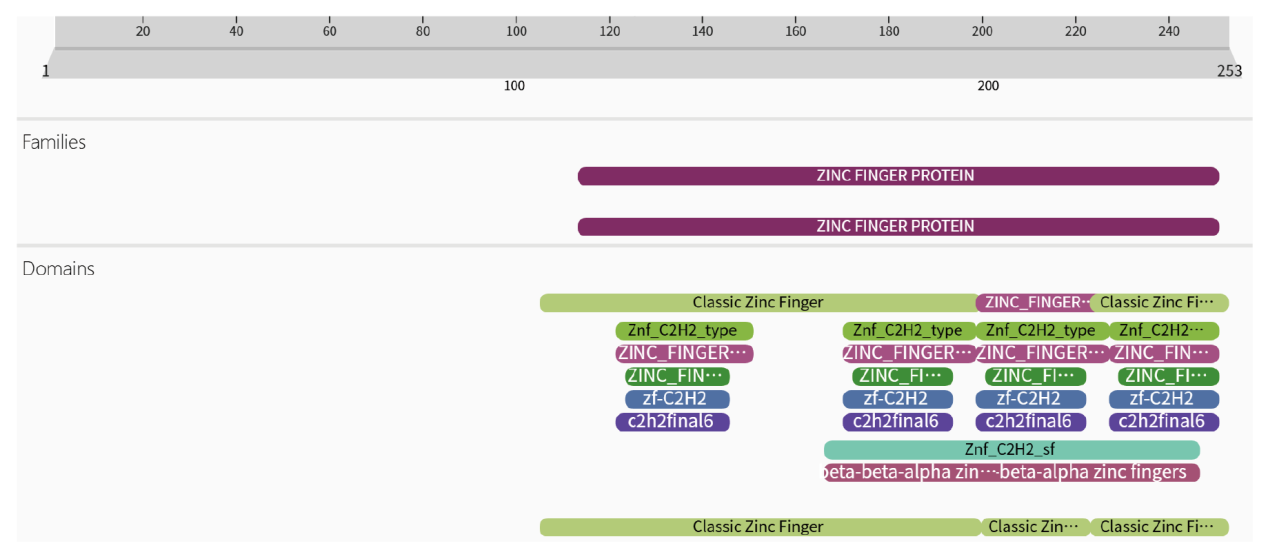
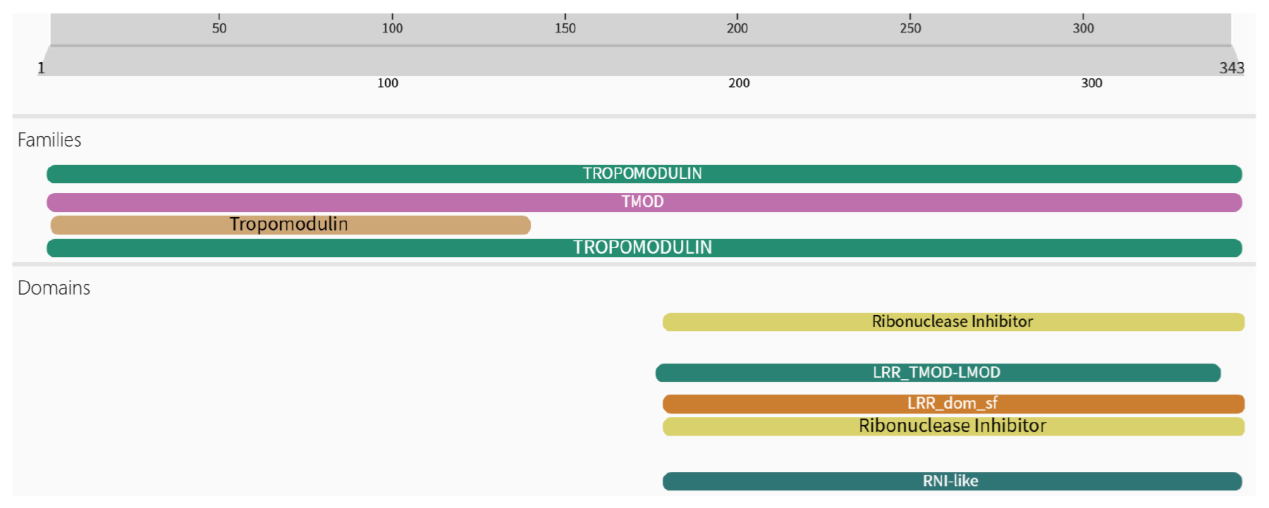
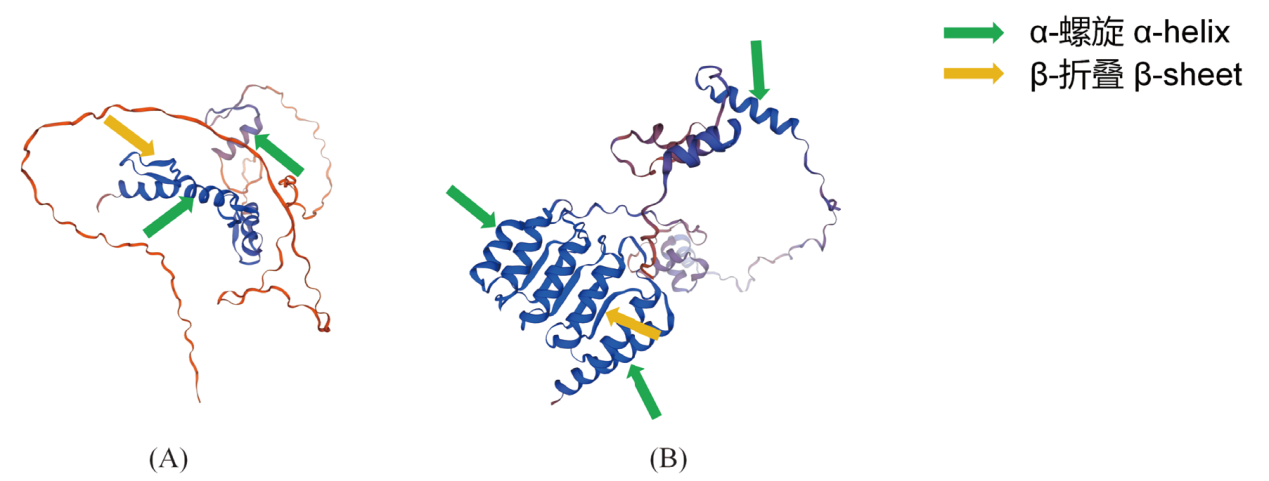
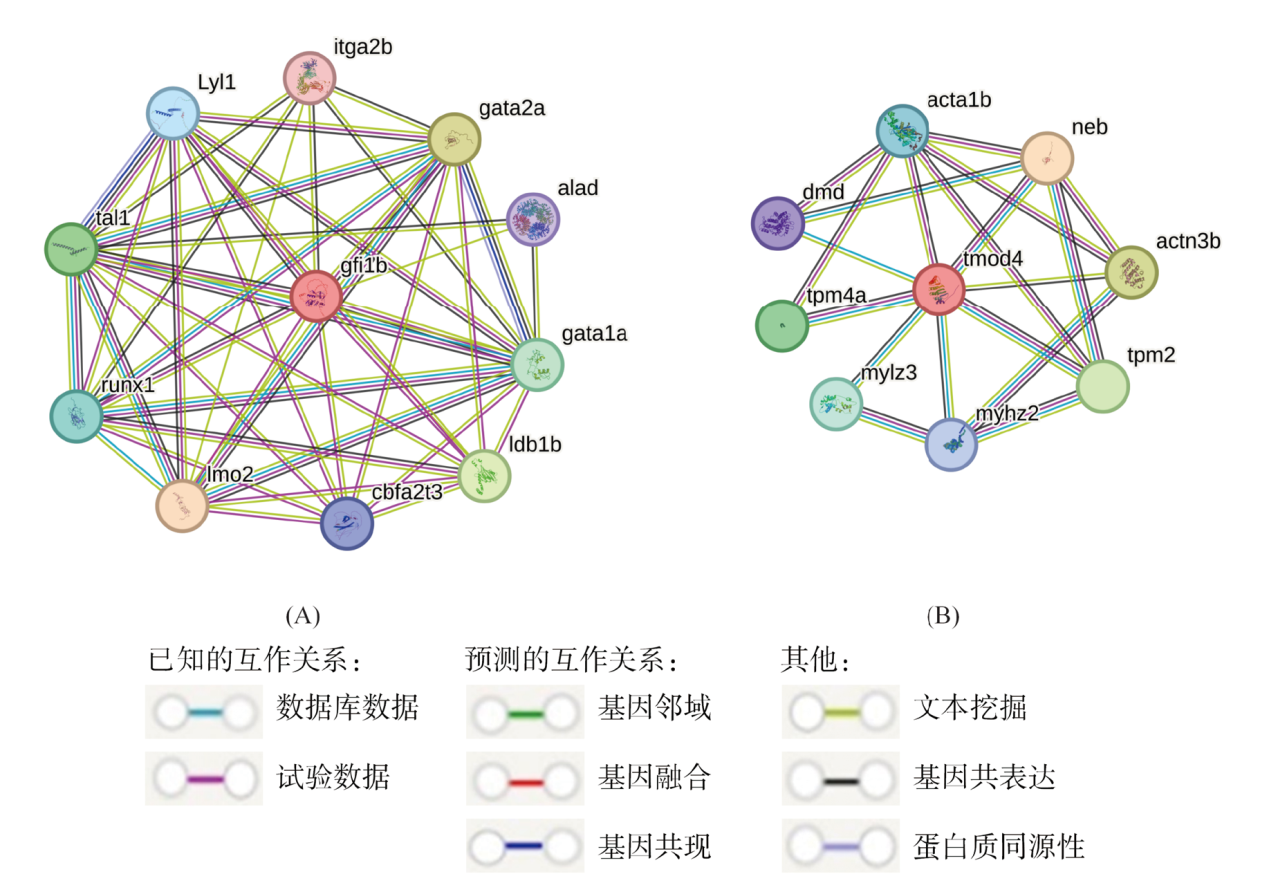
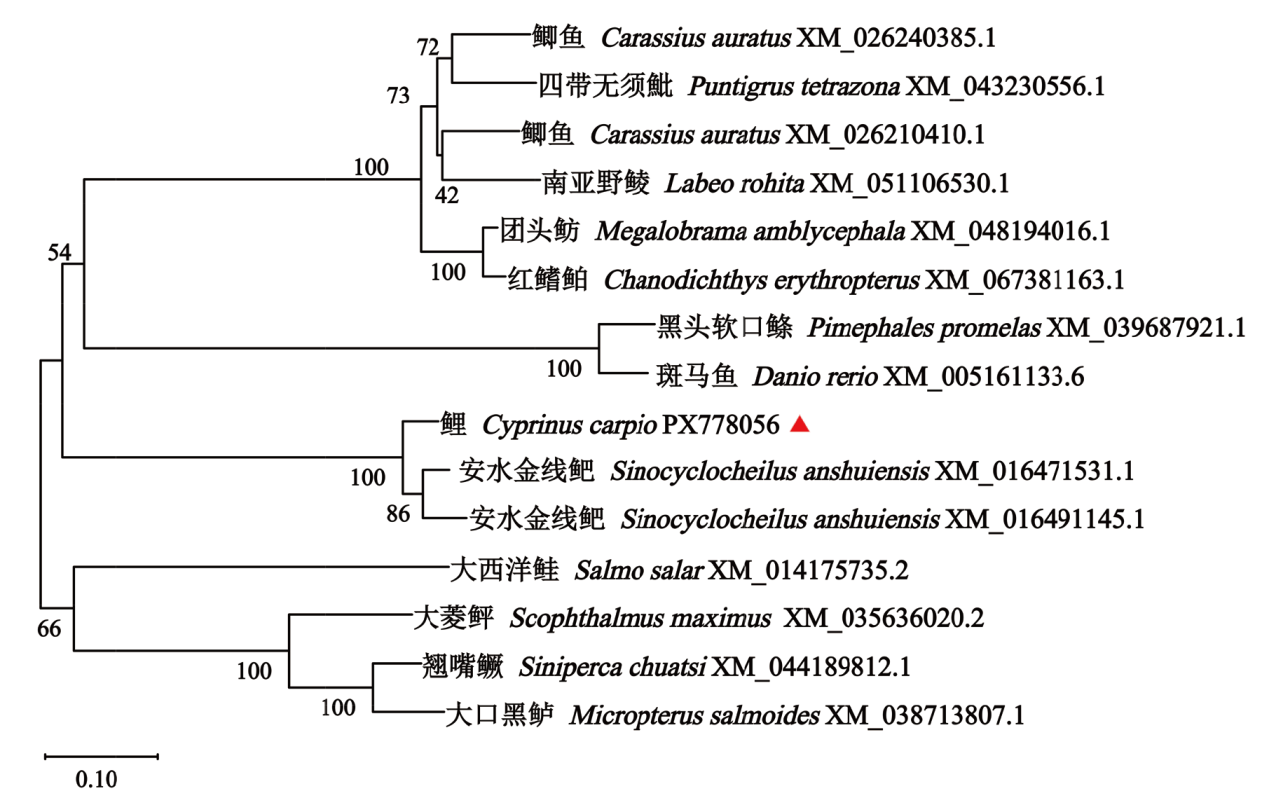
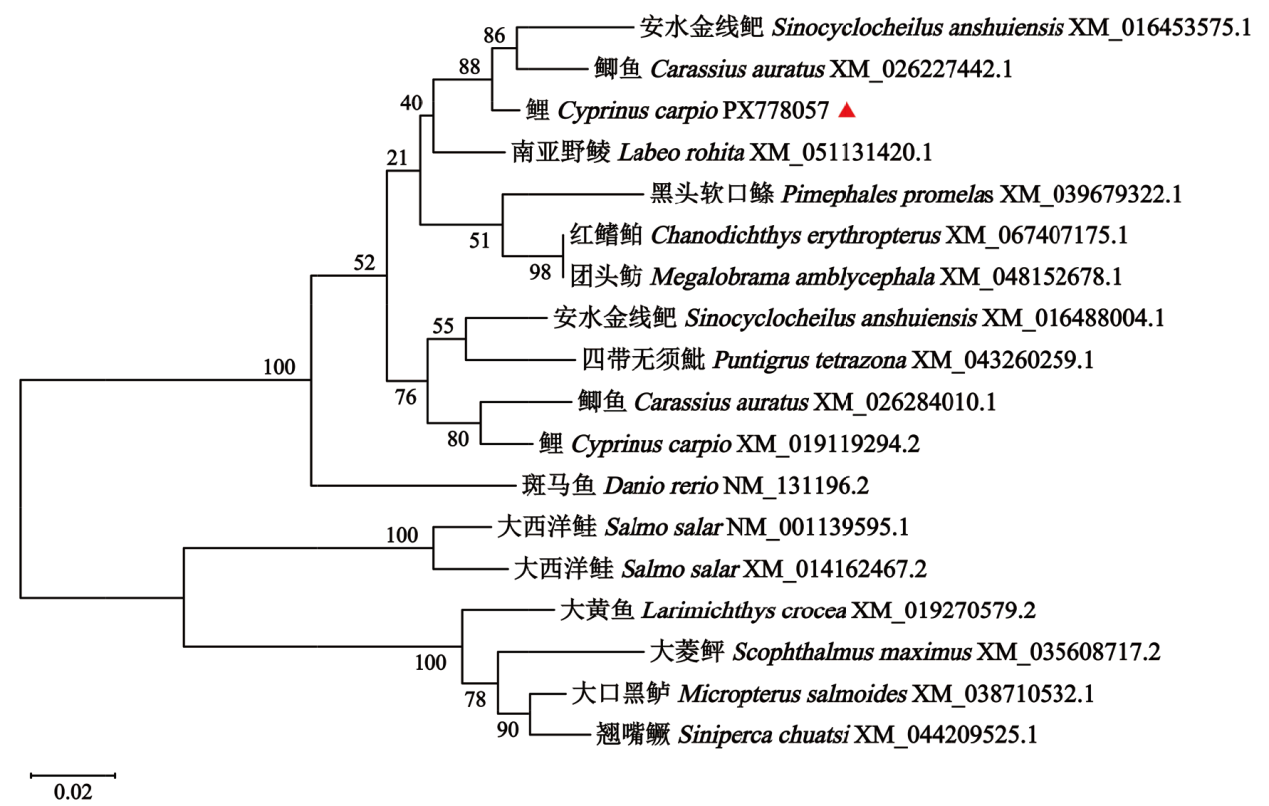
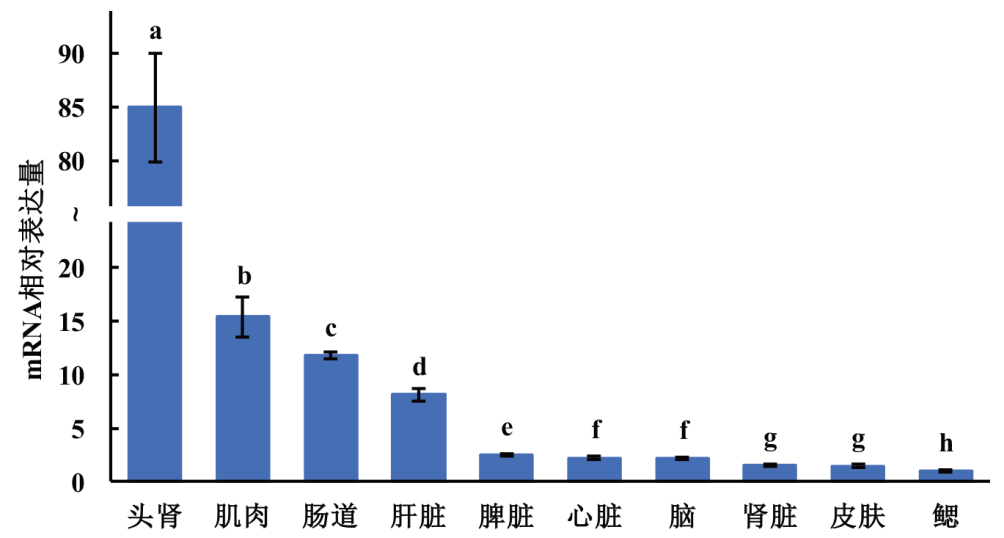
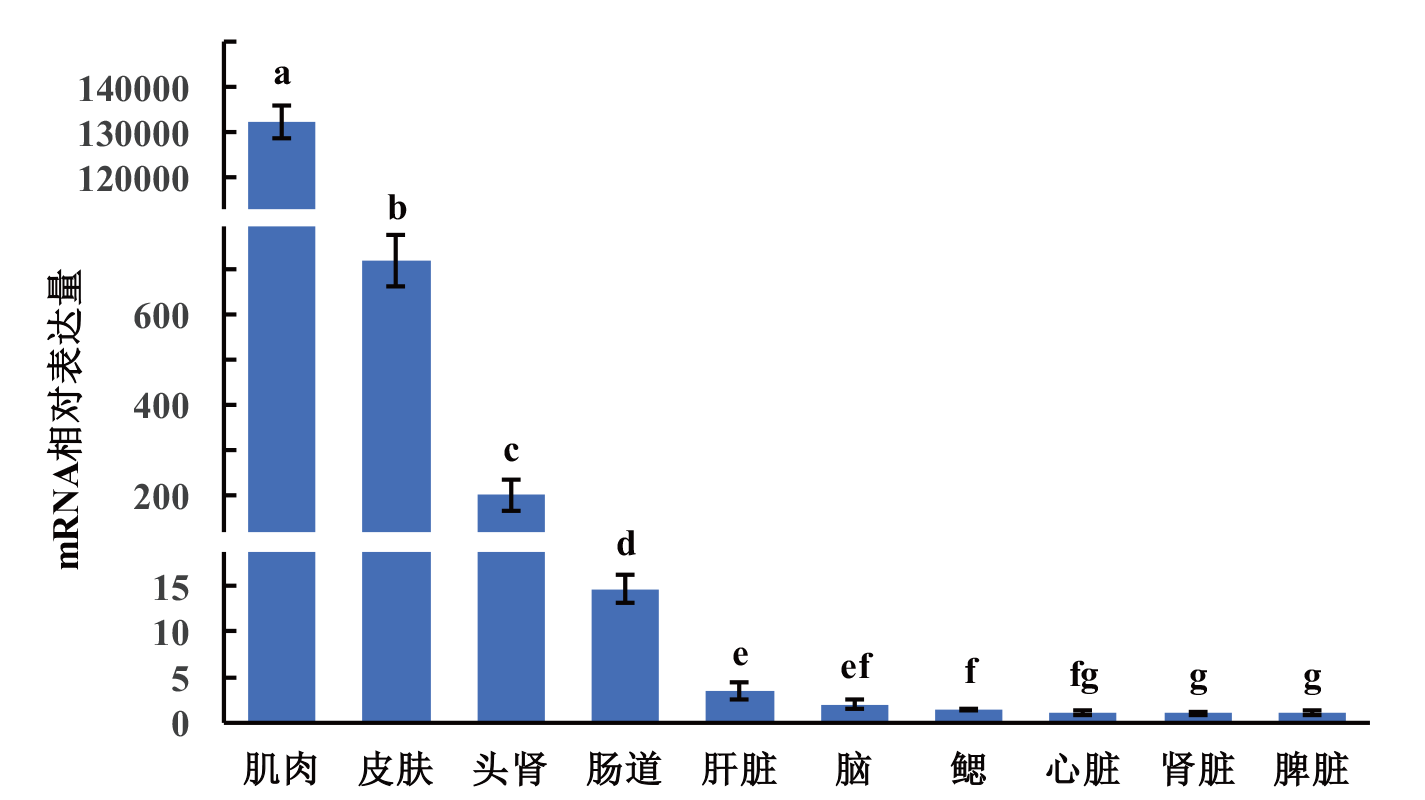
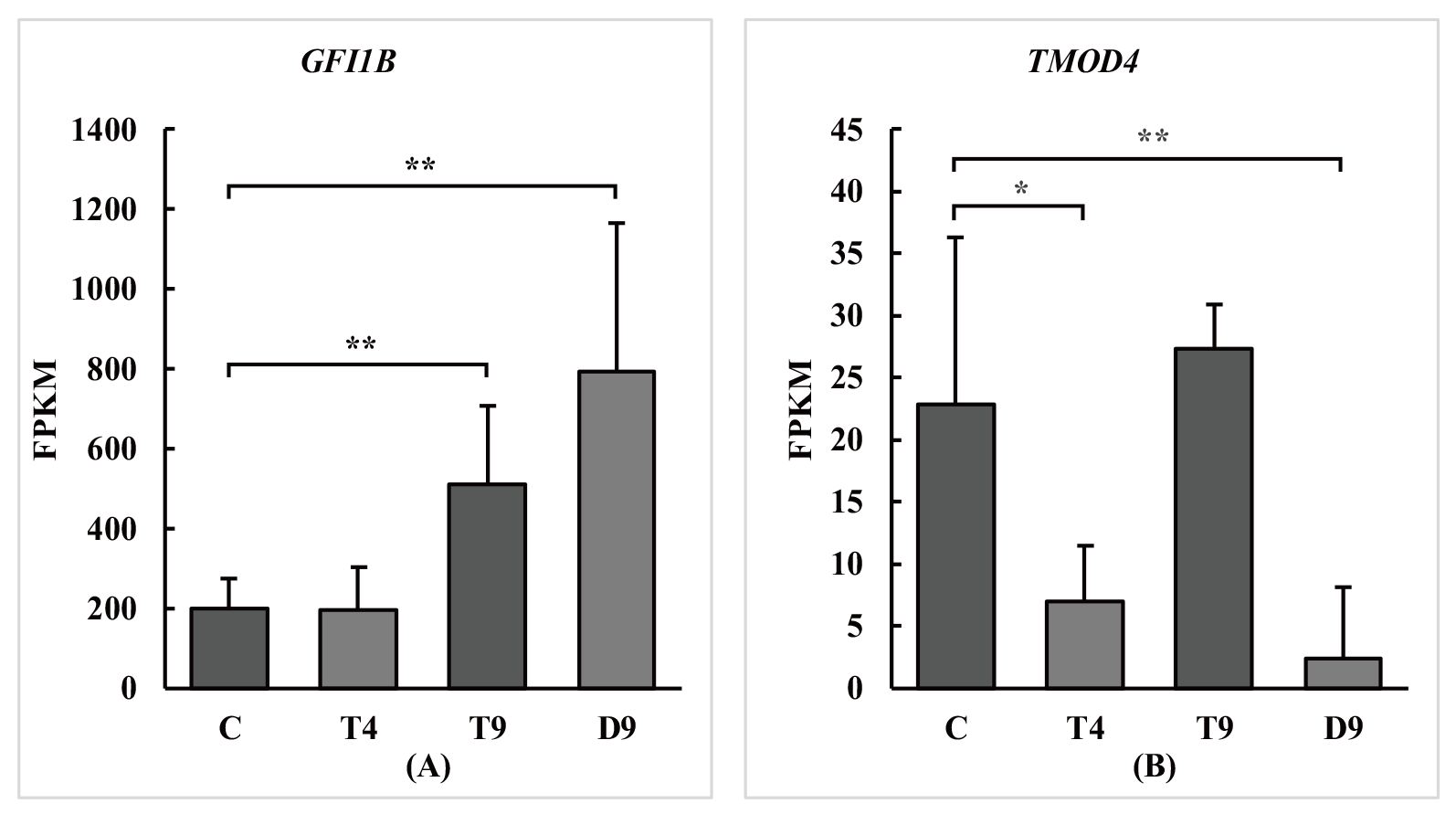
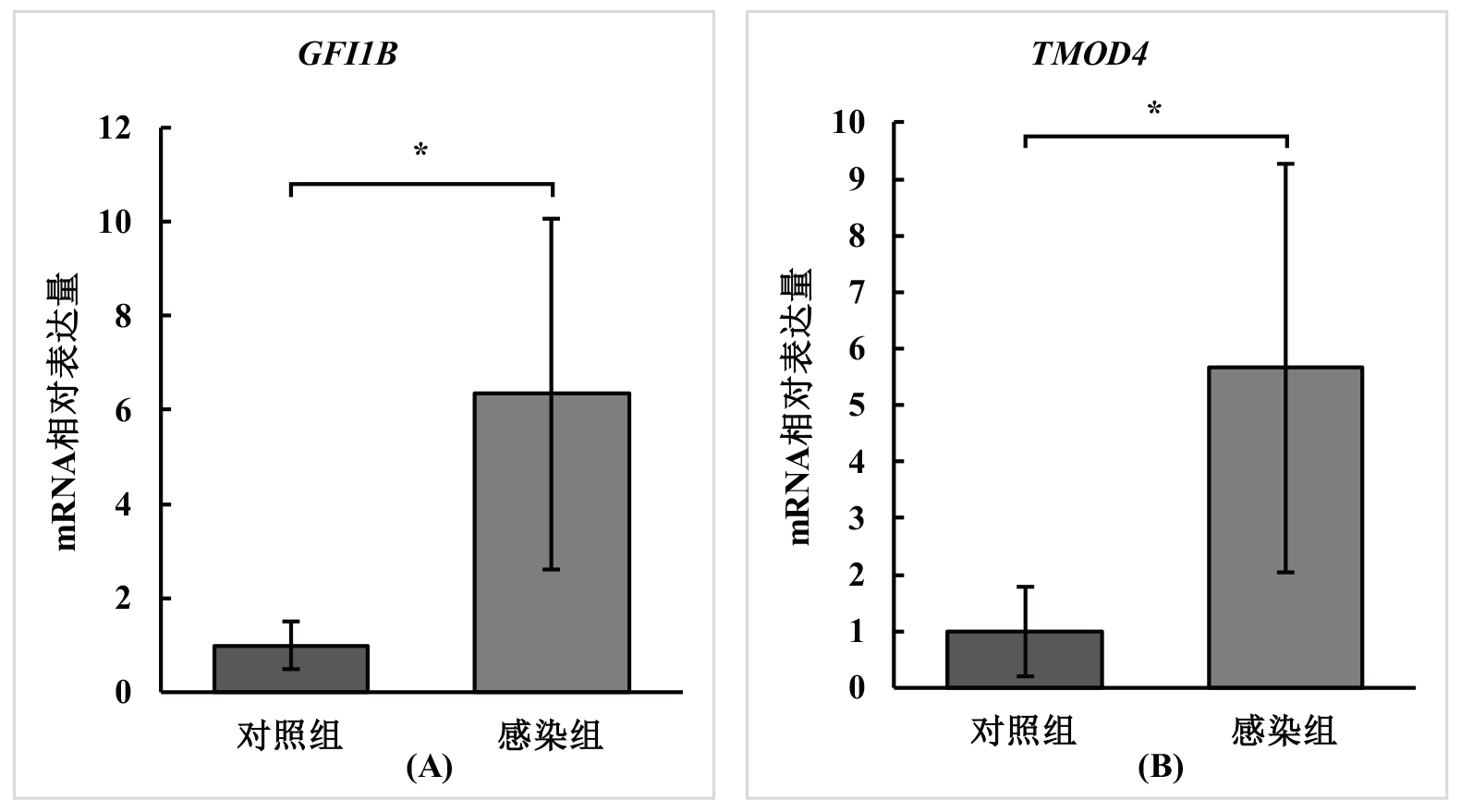
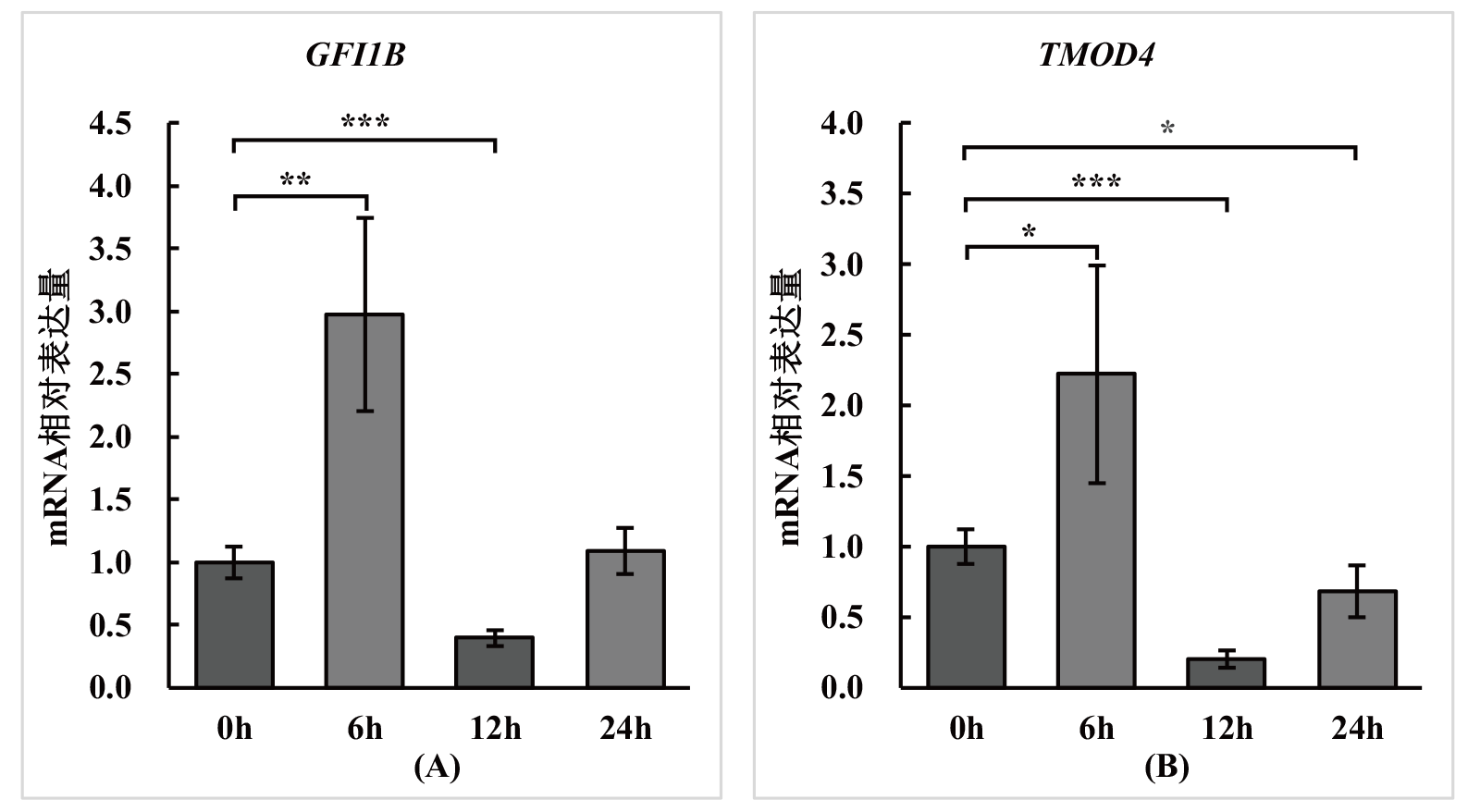
旨在探究鲤独立生长因子1B(growth factor independent 1B,简称GFI1B)和肌动蛋白丝端部调节蛋白(Tropomodulin,简称TMODs)家族中的TMOD4基因,在维氏气单胞菌(Aeromonas veronii,简称A. veronii)急性和慢性感染过程中的表达特征,以揭示这两个基因通过调控造血细胞生成与免疫细胞运动的分子机制。本研究克隆了鲤GFI1B和TMOD4的全长读码区(CDS),并对序列进行生物信息学分析;在鲤成体慢性感染15 d和鲤白血球细胞急性感染24 h两模型上分别分析GFI1B和TMOD4基因响应A. veronii感染的表达模式;利用STRING12.0软件,基于斑马鱼同源蛋白,预测GFI1B和TMOD4的蛋白互作网络,并结合表达数据进行联合分析。结果显示,鲤GFI1B基因CDS区长度为762个碱基,编码253个氨基酸。TMOD4基因CDS区长度为1032个碱基,编码343个氨基酸。GFI1B蛋白C端有保守的锌指蛋白结构域。TMOD4蛋白包含Tropomodulin和核糖核酸酶抑制子(Ribonuclease Inhibitor)结构域。序列同源性分析表明,鲤GFI1B与安水金线鲃的序列同源性超过91%,但与其他硬骨鱼类同源性仅为43.92%~65.56%。而TMOD4与硬骨鱼类相似性在80.88%~96.79%。在健康鲤的所有检测组织中,GFI1B和TMOD4基因均有表达,GFI1B在头肾表达量最高,TMOD4在头肾表达量仅次于肌肉和皮肤。STRING预测显示,GFI1B与多个造血转录因子存在互作,TMOD4与肌节结构蛋白及细胞骨架调控因子存在互作。鲤感染A. veronii 15 d后,头肾中GFI1B和TMOD4基因的表达量均显著上调,分别为对照组的6.75倍和5.66倍。鲤白血球细胞急性感染A. veronii 6 h后,GFI1B和TMOD4基因表达量均快速上升,12 h后显著降低,24 h再上升。结果表明,GFI1B和TMOD4基因在鲤的头肾组织和白血球细胞中,对A. veronii 的急慢性感染均呈现高表达特征,提示这两个基因在抵抗A. veronii感染中可能协同发挥重要作用。本研究为深入研究GFI1B和TMOD4基因在鱼类抗菌调控中的作用提供重要基础。
中图分类号:
丁宁, 王琦, 张研, 姜娜, 邢薇, 李铁梁, 马志宏, 李炯棠, 张锦. 鲤GFI1B和TMOD4基因响应维氏气单胞菌感染的表达特征[J]. 中国农学通报, 2026, 42(18): 166-179.
DING Ning, WANG Qi, ZHANG Yan, JIANG Na, XING Wei, LI Tieliang, MA Zhihong, LI Jiongtang, ZHANG Jin. Expression Patterns of GFI1B and TMOD4 Genes in Response to Aeromonas veronii Infection in Common Carp (Cyprinus carpio)[J]. Chinese Agricultural Science Bulletin, 2026, 42(18): 166-179.
| 引物 | 序列(5’~3’) | 用途 |
|---|---|---|
| GFI1B-F1 | TGGCTCTGGACGCATTTACTG | 基因克隆 |
| GFI1B-R1 | GAGAGGAGAAAACCTTGCCACA | |
| GFI1B-F2 | GCCCAAAACATTGCAGCTTATG | |
| GFI1B-R2 | AAGTTCACAGAGGTCTTGGTTGG | |
| TMOD4-F1 | GTGAGCTGTGTGAACTGAGAGT | |
| TMOD4-R1 | CACCAGACTGCTGTCGTTTTTCT | |
| TMOD4-F2 | GTGTGGTGAAACCAGATGTGT | |
| TMOD4-R2 | ACTCCAAGAGTGCACATGAGA | |
| GFI1B-qF1 | ATCGCTGACGTGCCCTATCTA | 组织表达谱 定量qPCR |
| GFI1B-qR1 | AGGGCCATACCGGAAACCT | |
| TMOD4-qF1 | GGGGAGAAGAGAGGTAAAGCC | |
| TMOD4-qR1 | TGATGCCTTCTGTGTTGGCA | |
| GFI1B-qF2 | ATCGCTGACGTGCCCTATCTA | CLC 细胞定量qPCR |
| GFI1B-qR2 | AGGGCCATACCGGAAACCT | |
| TMOD4-qF2 | CCTGACGAGCCTCCAAATGA | |
| TMOD4-qR2 | GTGTGTTGCGCTTCATAGCC | |
| β-actin F | GATGATGAAATTGCCGCACTG | 内参基因 |
| β-actin R | ACCAACCATGACACCCTGATGT |
| 引物 | 序列(5’~3’) | 用途 |
|---|---|---|
| GFI1B-F1 | TGGCTCTGGACGCATTTACTG | 基因克隆 |
| GFI1B-R1 | GAGAGGAGAAAACCTTGCCACA | |
| GFI1B-F2 | GCCCAAAACATTGCAGCTTATG | |
| GFI1B-R2 | AAGTTCACAGAGGTCTTGGTTGG | |
| TMOD4-F1 | GTGAGCTGTGTGAACTGAGAGT | |
| TMOD4-R1 | CACCAGACTGCTGTCGTTTTTCT | |
| TMOD4-F2 | GTGTGGTGAAACCAGATGTGT | |
| TMOD4-R2 | ACTCCAAGAGTGCACATGAGA | |
| GFI1B-qF1 | ATCGCTGACGTGCCCTATCTA | 组织表达谱 定量qPCR |
| GFI1B-qR1 | AGGGCCATACCGGAAACCT | |
| TMOD4-qF1 | GGGGAGAAGAGAGGTAAAGCC | |
| TMOD4-qR1 | TGATGCCTTCTGTGTTGGCA | |
| GFI1B-qF2 | ATCGCTGACGTGCCCTATCTA | CLC 细胞定量qPCR |
| GFI1B-qR2 | AGGGCCATACCGGAAACCT | |
| TMOD4-qF2 | CCTGACGAGCCTCCAAATGA | |
| TMOD4-qR2 | GTGTGTTGCGCTTCATAGCC | |
| β-actin F | GATGATGAAATTGCCGCACTG | 内参基因 |
| β-actin R | ACCAACCATGACACCCTGATGT |

| 物种 | GenBank登录号 | 相似性/% |
|---|---|---|
| 安水金线鲃 Sinocyclocheilus anshuiensis | XM_016491145.1 | 91.70 |
| 安水金线鲃 Sinocyclocheilus anshuiensis | XM_016471531.1 | 91.37 |
| 斑马鱼 Danio rerio | XM_005161133.6 | 65.56 |
| 翘嘴鳜 Siniperca chuatsi | XM_044189812.1 | 49.81 |
| 黑头软口鲦 Pimephales promelas | XM_039687921.1 | 48.47 |
| 鲫 Carassius auratus | XM_026240385.1 | 48.33 |
| 红鳍鲌 Chanodichthys erythropterus | XM_067381163.1 | 46.39 |
| 南亚野鲮 Labeo rohita | XM_051106530.1 | 46.13 |
| 团头鲂 Megalobrama amblycephala | XM_048194016.1 | 46.04 |
| 大西洋鲑 Salmo salar | XM_014175735.2 | 45.71 |
| 鲫 Carassius auratus | XM_026210410.1 | 45.32 |
| 四带无须魮 Puntigrus tetrazona | XM_043230556.1 | 45.28 |
| 大菱鲆 Scophthalmus maximus | XM_035636020.2 | 45.16 |
| 大口黑鲈 Micropterus salmoides | XM_038713807.1 | 43.92 |
| 物种 | GenBank登录号 | 相似性/% |
|---|---|---|
| 安水金线鲃 Sinocyclocheilus anshuiensis | XM_016491145.1 | 91.70 |
| 安水金线鲃 Sinocyclocheilus anshuiensis | XM_016471531.1 | 91.37 |
| 斑马鱼 Danio rerio | XM_005161133.6 | 65.56 |
| 翘嘴鳜 Siniperca chuatsi | XM_044189812.1 | 49.81 |
| 黑头软口鲦 Pimephales promelas | XM_039687921.1 | 48.47 |
| 鲫 Carassius auratus | XM_026240385.1 | 48.33 |
| 红鳍鲌 Chanodichthys erythropterus | XM_067381163.1 | 46.39 |
| 南亚野鲮 Labeo rohita | XM_051106530.1 | 46.13 |
| 团头鲂 Megalobrama amblycephala | XM_048194016.1 | 46.04 |
| 大西洋鲑 Salmo salar | XM_014175735.2 | 45.71 |
| 鲫 Carassius auratus | XM_026210410.1 | 45.32 |
| 四带无须魮 Puntigrus tetrazona | XM_043230556.1 | 45.28 |
| 大菱鲆 Scophthalmus maximus | XM_035636020.2 | 45.16 |
| 大口黑鲈 Micropterus salmoides | XM_038713807.1 | 43.92 |
| 物种 | GenBank登录号 | 相似性/% |
|---|---|---|
| 鲫 Carassius auratus | XM_026227442.1 | 96.79 |
| 南亚野鲮 Labeo rohita | XM_051131420.1 | 96.20 |
| 安水金线鲃 Sinocyclocheilus anshuiensis | XM_016453575.1 | 95.63 |
| 团头鲂 Megalobrama amblycephala | XM_048152678.1 | 95.34 |
| 红鳍鲌 Chanodichthys erythropterus | XM_067407175.1 | 95.34 |
| 黑头软口鲦 Pimephales promelas | XM_039679322.1 | 94.74 |
| 鲤 Cyprinus carpio | XM_019119294.2 | 94.15 |
| 安水金线鲃 Sinocyclocheilus anshuiensis | XM_016488004.1 | 93.29 |
| 鲫 Carassius auratus | XM_026284010.1 | 92.98 |
| 四带无须魮 Puntigrus tetrazona | XM_043260259.1 | 92.42 |
| 斑马鱼 Danio rerio | NM_131196.2 | 92.13 |
| 大西洋鲑 Salmo salar | NM_001139595.1 | 83.09 |
| 大口黑鲈 Micropterus salmoides | XM_038710532.1 | 82.94 |
| 大西洋鲑 Salmo salar | XM_014162467.2 | 82.51 |
| 翘嘴鳜 Siniperca chuatsi | XM_044209525.1 | 82.35 |
| 大菱鲆 Scophthalmus maximus | XM_035608717.2 | 80.88 |
| 物种 | GenBank登录号 | 相似性/% |
|---|---|---|
| 鲫 Carassius auratus | XM_026227442.1 | 96.79 |
| 南亚野鲮 Labeo rohita | XM_051131420.1 | 96.20 |
| 安水金线鲃 Sinocyclocheilus anshuiensis | XM_016453575.1 | 95.63 |
| 团头鲂 Megalobrama amblycephala | XM_048152678.1 | 95.34 |
| 红鳍鲌 Chanodichthys erythropterus | XM_067407175.1 | 95.34 |
| 黑头软口鲦 Pimephales promelas | XM_039679322.1 | 94.74 |
| 鲤 Cyprinus carpio | XM_019119294.2 | 94.15 |
| 安水金线鲃 Sinocyclocheilus anshuiensis | XM_016488004.1 | 93.29 |
| 鲫 Carassius auratus | XM_026284010.1 | 92.98 |
| 四带无须魮 Puntigrus tetrazona | XM_043260259.1 | 92.42 |
| 斑马鱼 Danio rerio | NM_131196.2 | 92.13 |
| 大西洋鲑 Salmo salar | NM_001139595.1 | 83.09 |
| 大口黑鲈 Micropterus salmoides | XM_038710532.1 | 82.94 |
| 大西洋鲑 Salmo salar | XM_014162467.2 | 82.51 |
| 翘嘴鳜 Siniperca chuatsi | XM_044209525.1 | 82.35 |
| 大菱鲆 Scophthalmus maximus | XM_035608717.2 | 80.88 |
| [1] |
doi: 10.1556/EuJMI.4.2014.2.7 pmid: 24883200 |
| [2] |
doi: 10.1016/j.fsi.2019.06.008 URL |
| [3] |
doi: 10.1016/j.fsi.2021.10.001 URL |
| [4] |
doi: 10.3390/genes9040202 URL |
| [5] |
doi: 10.1182/blood-2010-04-280305 pmid: 20826720 |
| [6] |
doi: 10.1101/gad.959102 URL |
| [7] |
doi: 10.1182/blood-2009-06-230094 URL |
| [8] |
doi: 10.1084/jem.20131065 URL |
| [9] |
doi: 10.3389/fonc.2017.00054 pmid: 28401061 |
| [10] |
doi: 10.1182/blood-2006-06-030031 pmid: 17095621 |
| [11] |
pmid: 15240698 |
| [12] |
doi: 10.1016/j.eng.2023.11.011 URL |
| [13] |
doi: 10.1038/s41467-019-09273-z pmid: 30894540 |
| [14] |
doi: 10.1016/j.cca.2004.03.008 URL |
| [15] |
|
| [16] |
|
| [17] |
|
| [18] |
|
| [19] |
|
| [20] |
doi: 10.1038/s41587-021-01156-3 pmid: 34980915 |
| [21] |
doi: 10.1006/jmbi.2000.4315 pmid: 11152613 |
| [22] |
pmid: 10027275 |
| [23] |
doi: 10.1093/bioinformatics/11.6.681 pmid: 8808585 |
| [24] |
doi: 10.1093/molbev/msab120 pmid: 33892491 |
| [25] |
doi: 10.1093/bioinformatics/btu170 pmid: 24695404 |
| [26] |
doi: 10.1038/nmeth.1226 pmid: 18516045 |
| [27] |
doi: 10.1038/s41588-021-00933-9 |
| [28] |
doi: 10.1038/nbt.3122 pmid: 25690850 |
| [29] |
doi: 10.1038/nbt.1621 pmid: 20436464 |
| [30] |
doi: 10.3389/fgene.2020.591099 URL |
| [31] |
doi: 10.1016/bs.ai.2021.03.003 pmid: 33993920 |
| [32] |
|
| [33] |
朱贤敏, 姜利军, 赵磊, 等. 斑马鱼Gfi1.1基因的克隆及其体外转录[J]. 现代生物医学进展, 2014, 14(10):1818-1820,1812.
|
| [34] |
doi: 10.1038/s42003-024-06090-z pmid: 38548886 |
| [35] |
张永安, 孙宝剑, 聂品. 鱼类免疫组织和细胞的研究概况[J]. 水生生物学报, 2000(6):648-654.
|
| [36] |
pmid: 12530980 |
| [37] |
doi: 10.1083/jcb.201001125 URL |
| [38] |
doi: 10.1016/j.gene.2013.08.088 URL |
| [39] |
doi: 10.1242/jcs.152702 pmid: 25431137 |
| [40] |
|
| [41] |
doi: 10.1016/j.cell.2023.03.017 pmid: 37044097 |
| [42] |
doi: 10.1016/j.fsi.2005.07.005 URL |
| [43] |
doi: S1874-3919(18)30046-0 pmid: 29408692 |
| [44] |
郑云鹏, 翟文娅, 王振生, 等. 斑马鱼nr4a1在嗜水气单胞菌感染引起的炎症反应中的作用[J]. 华中农业大学学报, 2025, 44(6):283-292.
|
| [45] |
doi: 10.1128/msystems.00247-24 URL |
| [1] | 张鹏辉, 曾春晓, 柯景, 陈晓雯, 王军, 严欣, 陈丽婷, 王成辉. 不同体色瓯江彩鲤与青灰色野鲤的杂交效果分析[J]. 中国农学通报, 2025, 41(29): 146-156. |
| [2] | 廖梦香, 杨晓燕, 薛凌展, 陈度煌, 樊海平, 张树兴. ‘红福瑞鲤2号’和‘福瑞鲤2号’稻田养殖生长性能对比[J]. 中国农学通报, 2024, 40(20): 154-157. |
| [3] | 马子尧, 潘红, 王开阔, 陈颖杰, 曹逸铭, 孙晓晴, 张研. 2个鲤群体(Cyprinus carpio L.)表型生长性状的AI测量与手工测量的相关性分析[J]. 中国农学通报, 2024, 40(14): 157-164. |
| [4] | 左鹏翔, 金方彭, 王志飞, 吴俊颉, 赵静霞, 赵利刚, 王文玉, 毕晓敏, 沈智敏, 李波, 冷云. 细鳞裂腹鱼(♀)与鲈鲤(♂)杂交及生长对比试验初报[J]. 中国农学通报, 2024, 40(11): 159-164. |
| [5] | 赵仲孟, 黄志鹏, 赵瀚, 张露, 段元亮, 牟成艳, 周剑, 李强. 祁连山裸鲤(Gymnocypris chilianensis)雌雄群体的形态差异分析[J]. 中国农学通报, 2023, 39(5): 142-147. |
| [6] | 张晶晶. 半刺厚唇鱼源维氏气单胞菌的分离鉴定[J]. 中国农学通报, 2023, 39(20): 138-146. |
| [7] | 刘雨婷, 黄世玉, 李榴佳, 赵天章, 李慧英, 苏子峰, 龙晓文. 池塘与稻田养殖鲤鱼生物学指数和肌肉营养价值的比较[J]. 中国农学通报, 2022, 38(4): 159-164. |
| [8] | 樊海平, 薛凌展, 杨晓燕, 钟全福, 秦志清, 黄德荣, 张树兴. 投饵与不投饵稻田养殖‘福瑞鲤’经济效益分析[J]. 中国农学通报, 2020, 36(8): 155-159. |
| [9] | 饶毅, 付辉云, 陈文静, 黄江峰, 周智勇, 金友萍, 徐先栋. 草鱼肝胆综合症并发细菌疾病病原分离鉴定及药敏试验[J]. 中国农学通报, 2020, 36(5): 138-143. |
| [10] | 郭莹, 郭青松, 周淼, 李艳和, 王卫民. 罗氏沼虾维氏气单胞菌的分离鉴定[J]. 中国农学通报, 2020, 36(36): 137-143. |
| [11] | 侯冠军, 季索菲, 吴明林, 赵秀侠, 吴洪华, 高远. 黄河鲤在池养条件下的生长特性分析[J]. 中国农学通报, 2020, 36(27): 147-152. |
| [12] | 樊海平,薛凌展,秦志清,钟全福,郑 磊,杨晓燕,黄德荣,张树兴. 不同品种稻花鲤肌肉中脂肪酸组成比较分析[J]. 中国农学通报, 2019, 35(31): 139-143. |
| [13] | 张 旻,景宏丽,王 娜,吴绍强,李 清,余卫忠. 锦鲤疱疹病毒病病原检测能力验证结果分析[J]. 中国农学通报, 2018, 34(9): 111-118. |
| [14] | 李光华,吴俊颉,冷云,周睿,潘晓赋,韩非,李顺勇,梁祥. 云南珠江水系金线鲃属鱼类一新种——龙山金线鲃[J]. 中国农学通报, 2018, 34(5): 153-158. |
| [15] | 王杰. 鲤鱼TLR8基因的克隆及组织表达[J]. 中国农学通报, 2018, 34(10): 143-147. |
| 阅读次数 | ||||||
|
全文 |
|
|||||
|
摘要 |
|
|||||
