欢迎访问《中国农学通报》,

中国农学通报 ›› 2026, Vol. 42 ›› Issue (14): 147-157.doi: 10.11924/j.issn.1000-6850.casb2025-0441
王辰飞1,2( ), 张景欣1, 蒲小明1, 沈会芳1, 刘平平1, 杨祁云1, 汪文毅2, 孙大元1()
收稿日期:2025-05-21
修回日期:2025-10-11
出版日期:2026-07-25
发布日期:2026-07-24
通讯作者:
作者简介:王辰飞,男,2000年出生,河南许昌人,硕士,研究方向:作物病原菌鉴定与分析。通信地址:510640 广东省广州市天河区金颖路7号,E-mail:1574159663@qq.com。
基金资助:
WANG Chenfei1,2(), ZHANG Jingxin1, PU Xiaoming1, SHEN Huifang1, LIU Pingping1, YANG Qiyun1, WANG Wenyi2, SUN Dayuan1()
Received:2025-05-21
Revised:2025-10-11
Published:2026-07-25
Online:2026-07-24
摘要:
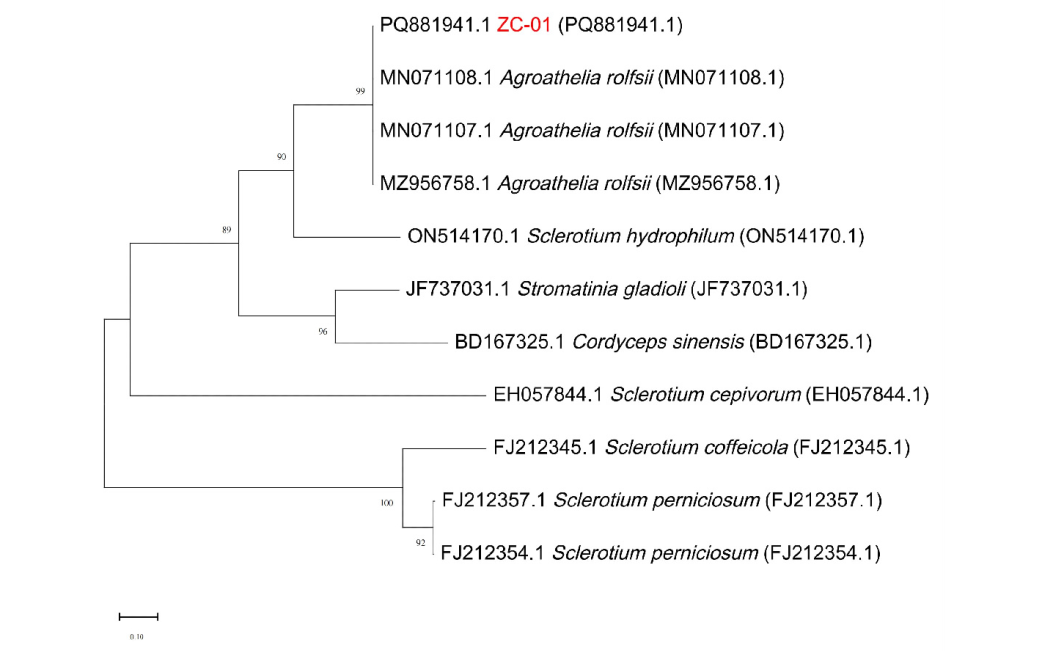
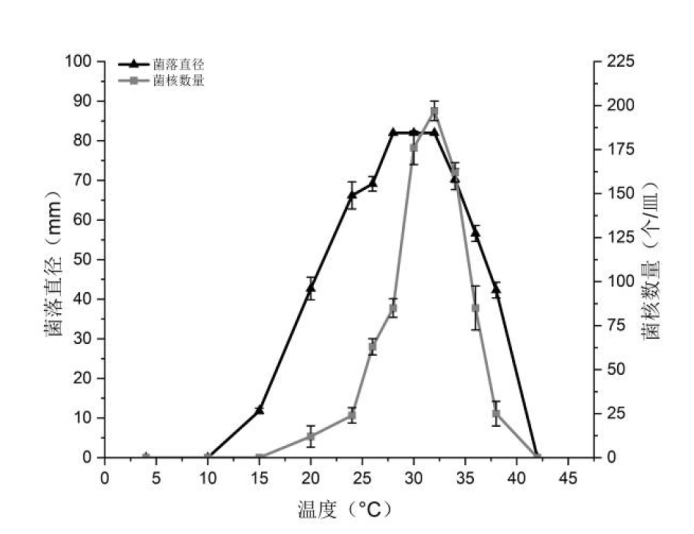
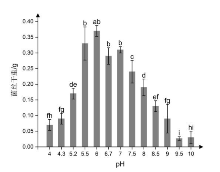
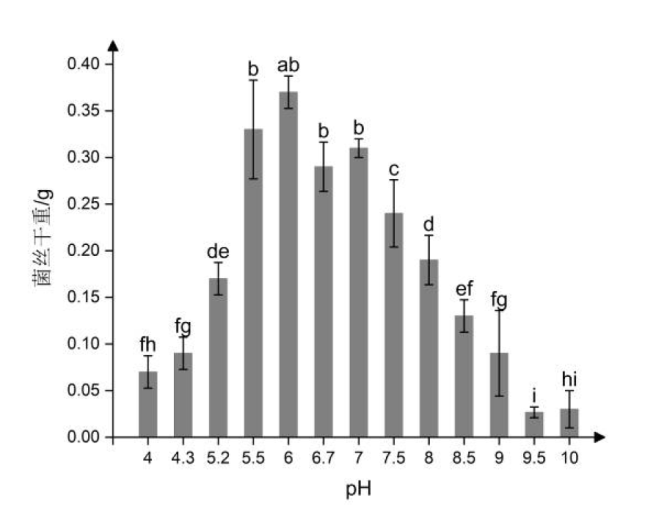
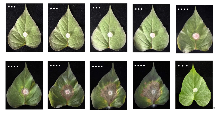
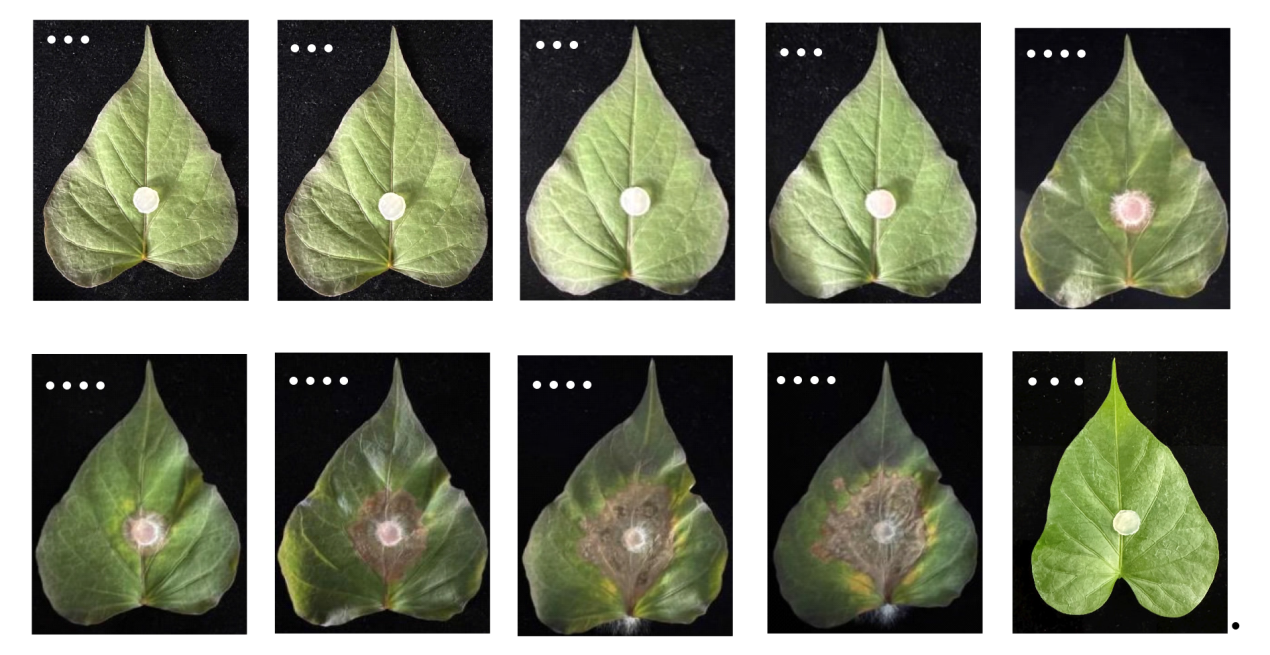
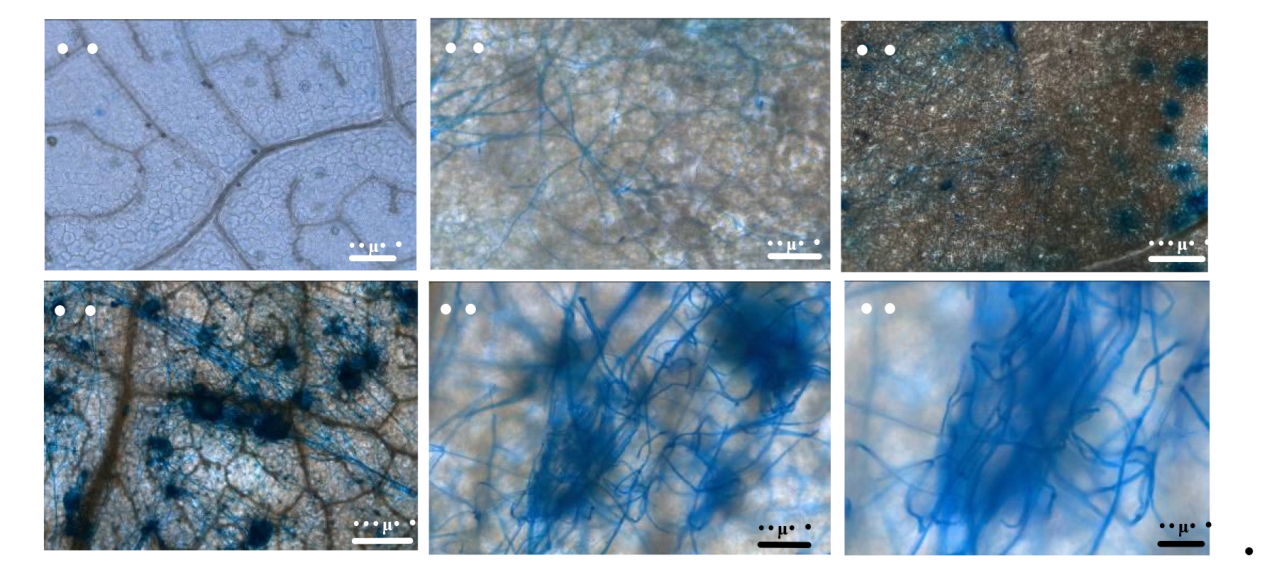
甘薯白绢病已成为华南产区甘薯苗期至成株期的重要根茎部病害,其病原菌种类、侵染规律、适生条件及高效防控药剂尚不明确。为明确广州市甘薯苗期茎基部腐烂病的病原菌种类、生物学特性、侵染过程,精准支撑病害早期诊断与绿色防控,本研究通过分子生物学和形态学特征进行鉴定,结合温度、pH、碳源及氮源对病菌生物学特征进行研究,同时用组织染色法对病菌的侵染进行显微观察,并用菌丝生长速率法测定13种杀菌剂的室内毒力。结果表明,引起甘薯白绢病的病原菌为Agroathelia rolfsii。病菌适宜温度为28~32℃,最佳温度为32℃;适宜的pH 5.4~7.5,最佳pH 6.0;碳源中D-半乳糖、D-山梨醇、D-甘露醇及氮源中磷酸二氢铵、氯化铵等利于病菌生存。显微观察发现,12 h有菌丝侵染,24 h形成侵染垫、72 h侵染垫最多,且菌丝可通过气孔侵染。杀菌剂中效果明显的为噻呋酰胺、吡唑醚菌酯、戊唑醇、嘧菌酯,EC50分别为0.01、0.14、0.20、0.96 mg/L。本研究明确了甘薯白绢病菌的关键生物学特性与侵染规律,筛选出4种高效防控药剂,可为病害早期识别、精准测报与科学用药提供理论依据,后续可开展田间防效验证与绿色防控技术集成。
中图分类号:
王辰飞, 张景欣, 蒲小明, 沈会芳, 刘平平, 杨祁云, 汪文毅, 孙大元. 甘薯白绢病菌生物学特性、侵染过程和防治药剂筛选[J]. 中国农学通报, 2026, 42(14): 147-157.
WANG Chenfei, ZHANG Jingxin, PU Xiaoming, SHEN Huifang, LIU Pingping, YANG Qiyun, WANG Wenyi, SUN Dayuan. Pathogen of Sweet Potato Southern Blight: Biological Characteristics, Infection Process and Fungicide Screening[J]. Chinese Agricultural Science Bulletin, 2026, 42(14): 147-157.
| 杀菌剂 | 剂型 | 生产商 | 供试浓度/(mg/L) |
|---|---|---|---|
| 50%咪鲜胺铜盐 | 悬浮剂 | 江苏辉丰 | 50、100、250、500、800 |
| 50%咯菌腈 | 可湿性粉剂 | 先正达 | 1、3、6、10、50 |
| 400g/L戊唑醇 | 悬浮剂 | 拜尔 | 0.01、0.05、0.1、0.5、1 |
| 25%吡唑醚菌酯 | 悬浮剂 | 山东福瑞德 | 0.05、0.1、0.5、1、5 |
| 250g/L嘧菌酯 | 悬浮剂 | 先正达 | 0.5、1、10、25、50 |
| 80%代森锰锌 | 可湿性粉剂 | 印度联合磷化物 | 10、25、50、100、200 |
| 80%多菌灵 | 可湿性粉剂 | 陕西先农 | 5、10、50、100、200 |
| 80%乙蒜素 | 乳油 | 开封大地生化 | 50、100、200、300、500 |
| 75%百菌清 | 可湿性粉剂 | 先正达 | 0.5、1、5、10、20 |
| 250g/L咪鲜胺 | 乳油 | 美国富美实 | 1、10、100、250、500 |
| 10%甲霜·20%噁霉灵 | 水剂 | 广东植物龙 | 25、50、100、250、500 |
| 75%三环唑 | 可湿性粉剂 | 上海沪联 | 350、500、650、800、1000 |
| 240 g/L噻呋酰胺 | 悬浮剂 | 江西中迅农化 | 0.1、0.05、0.01、0.005、0.001 |
| 杀菌剂 | 剂型 | 生产商 | 供试浓度/(mg/L) |
|---|---|---|---|
| 50%咪鲜胺铜盐 | 悬浮剂 | 江苏辉丰 | 50、100、250、500、800 |
| 50%咯菌腈 | 可湿性粉剂 | 先正达 | 1、3、6、10、50 |
| 400g/L戊唑醇 | 悬浮剂 | 拜尔 | 0.01、0.05、0.1、0.5、1 |
| 25%吡唑醚菌酯 | 悬浮剂 | 山东福瑞德 | 0.05、0.1、0.5、1、5 |
| 250g/L嘧菌酯 | 悬浮剂 | 先正达 | 0.5、1、10、25、50 |
| 80%代森锰锌 | 可湿性粉剂 | 印度联合磷化物 | 10、25、50、100、200 |
| 80%多菌灵 | 可湿性粉剂 | 陕西先农 | 5、10、50、100、200 |
| 80%乙蒜素 | 乳油 | 开封大地生化 | 50、100、200、300、500 |
| 75%百菌清 | 可湿性粉剂 | 先正达 | 0.5、1、5、10、20 |
| 250g/L咪鲜胺 | 乳油 | 美国富美实 | 1、10、100、250、500 |
| 10%甲霜·20%噁霉灵 | 水剂 | 广东植物龙 | 25、50、100、250、500 |
| 75%三环唑 | 可湿性粉剂 | 上海沪联 | 350、500、650、800、1000 |
| 240 g/L噻呋酰胺 | 悬浮剂 | 江西中迅农化 | 0.1、0.05、0.01、0.005、0.001 |
| 病原菌 | 扩增区域 | 引物名称 | 引物序列(5ʹ→3ʹ) |
|---|---|---|---|
| 菌株ZC-01 | ITS | ITS1 | TCCG TAGGTGAACCTGCGG |
| ITS4 | TCCTCCGCTTATTGATATGC | ||
| SSU | NS1 | GTAGTCATATGCTTGTCTC | |
| NS4 | CTTCCGTCAATTCCTTTA AG | ||
| LSU | LROR | ACCCGCTGAACTTAAGC | |
| LR5 | TCCTGAGGGAAACTTCG |
| 病原菌 | 扩增区域 | 引物名称 | 引物序列(5ʹ→3ʹ) |
|---|---|---|---|
| 菌株ZC-01 | ITS | ITS1 | TCCG TAGGTGAACCTGCGG |
| ITS4 | TCCTCCGCTTATTGATATGC | ||
| SSU | NS1 | GTAGTCATATGCTTGTCTC | |
| NS4 | CTTCCGTCAATTCCTTTA AG | ||
| LSU | LROR | ACCCGCTGAACTTAAGC | |
| LR5 | TCCTGAGGGAAACTTCG |
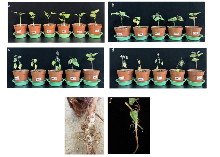
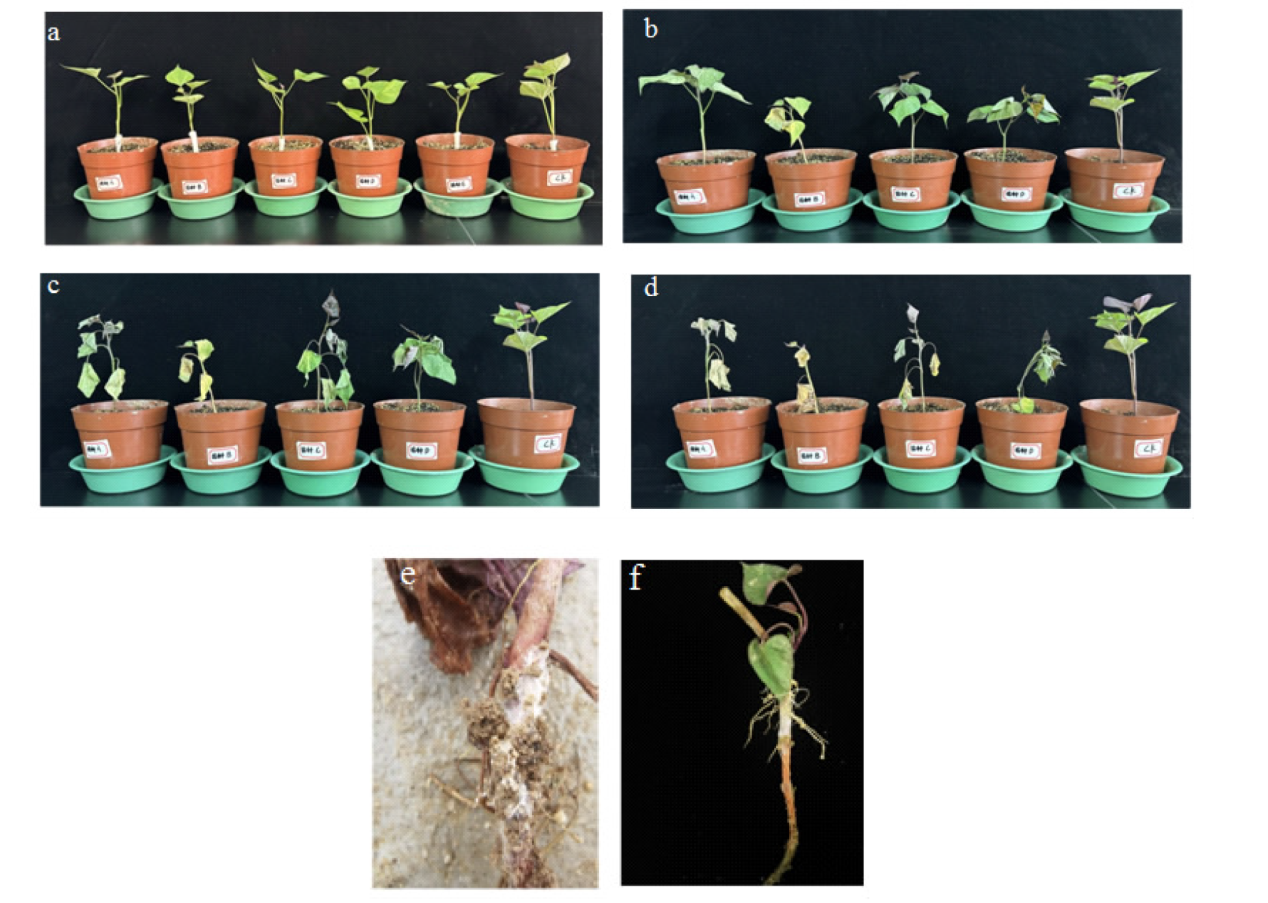
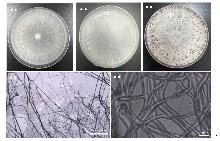
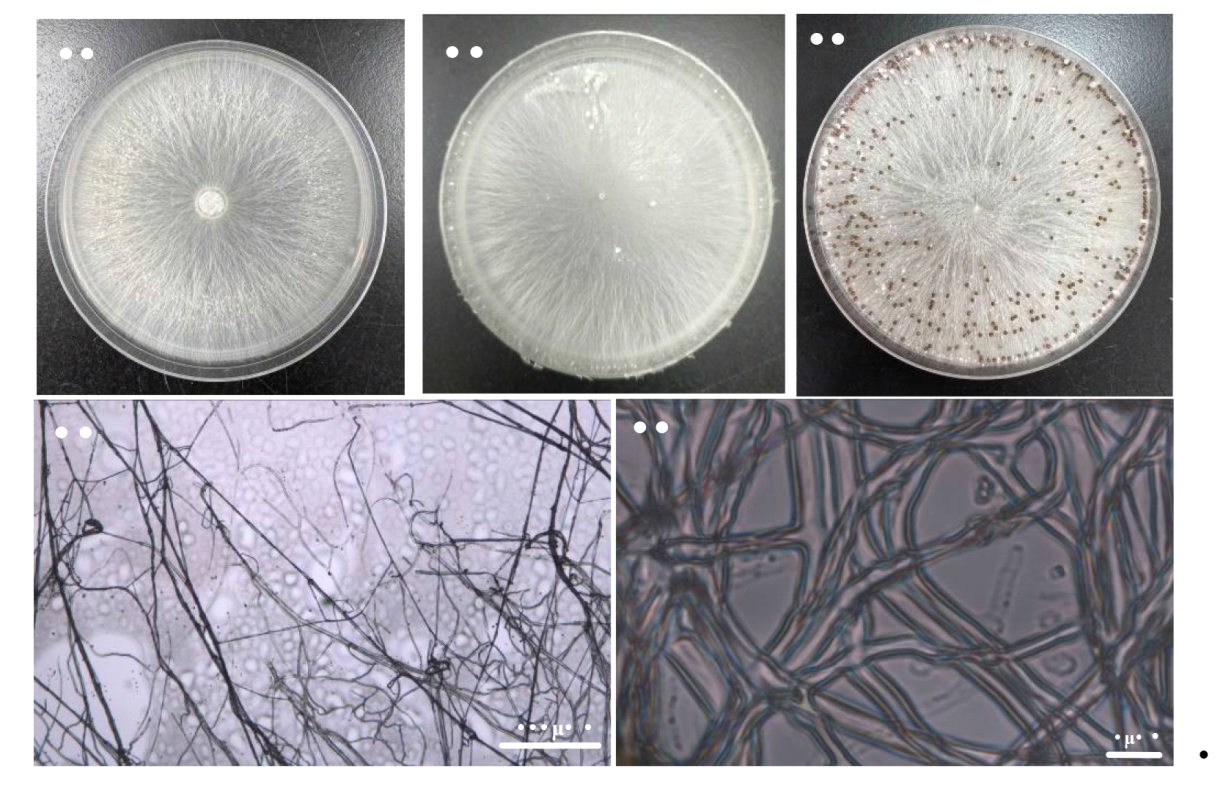
| 温度/℃ | 菌落直径/mm | 菌核数/(个/皿) | 菌核直径/mm | 气生菌丝丰富度 |
|---|---|---|---|---|
| 4 | 0f | - | - | - |
| 10 | 0f | - | - | - |
| 15 | 11.8e | - | - | - |
| 20 | 42.7d | 12h | 1.23a | + |
| 24 | 66.2b | 24f | 1.20a | ++ |
| 26 | 69.1b | 63e | 1.30a | +++ |
| 28 | 82a | 85d | 1.36a | +++ |
| 30 | 82a | 176b | 1.00b | ++++ |
| 32 | 82a | 197a | 0.80c | ++++ |
| 34 | 70.3b | 162c | 0.77c | +++ |
| 36 | 56.6c | 85d | 0.73c | ++ |
| 38 | 42.3d | 25g | 0.76c | + |
| 42 | 0f | - | - | - |
| 温度/℃ | 菌落直径/mm | 菌核数/(个/皿) | 菌核直径/mm | 气生菌丝丰富度 |
|---|---|---|---|---|
| 4 | 0f | - | - | - |
| 10 | 0f | - | - | - |
| 15 | 11.8e | - | - | - |
| 20 | 42.7d | 12h | 1.23a | + |
| 24 | 66.2b | 24f | 1.20a | ++ |
| 26 | 69.1b | 63e | 1.30a | +++ |
| 28 | 82a | 85d | 1.36a | +++ |
| 30 | 82a | 176b | 1.00b | ++++ |
| 32 | 82a | 197a | 0.80c | ++++ |
| 34 | 70.3b | 162c | 0.77c | +++ |
| 36 | 56.6c | 85d | 0.73c | ++ |
| 38 | 42.3d | 25g | 0.76c | + |
| 42 | 0f | - | - | - |
| 碳源 | 菌落直径/mm | 菌核数/(个/皿) |
|---|---|---|
| D-山梨醇 | 70.0a | 22a |
| D-葡萄糖 | 50.0de | 0d |
| 玉米淀粉 | 50.4de | 2cd |
| 麦芽糖 | 60.4bc | 0d |
| D-甘露醇 | 55.6cd | 15b |
| 甘油 | 38.7f | 0d |
| 蔗糖 | 60.3bc | 4c |
| 壳寡糖 | 0g | 0d |
| D-半乳糖 | 64.7ab | 25a |
| D-果糖 | 59.3bc | 0d |
| 木糖醇 | 42.6ef | 12b |
| 木糖 | 0g | 0d |
| 碳源 | 菌落直径/mm | 菌核数/(个/皿) |
|---|---|---|
| D-山梨醇 | 70.0a | 22a |
| D-葡萄糖 | 50.0de | 0d |
| 玉米淀粉 | 50.4de | 2cd |
| 麦芽糖 | 60.4bc | 0d |
| D-甘露醇 | 55.6cd | 15b |
| 甘油 | 38.7f | 0d |
| 蔗糖 | 60.3bc | 4c |
| 壳寡糖 | 0g | 0d |
| D-半乳糖 | 64.7ab | 25a |
| D-果糖 | 59.3bc | 0d |
| 木糖醇 | 42.6ef | 12b |
| 木糖 | 0g | 0d |
| 氮源 | 菌落直径/mm | 菌核数/(个/皿) |
|---|---|---|
| 尿素 | 0e | 0d |
| 甘氨酸 | 63.2ab | 6c |
| 氯化铵 | 59.8b | 10b |
| 硝酸钾 | 32.1d | 0d |
| 硫酸铵 | 66.9a | 4c |
| 硝酸钠 | 43.5c | 0d |
| 亚硝酸钠 | 0e | 0d |
| L-精氨酸 | 0e | 0d |
| 磷酸二氢铵 | 39.7c | 13a |
| L-脯氨酸 | 65ab | 0d |
| 氮源 | 菌落直径/mm | 菌核数/(个/皿) |
|---|---|---|
| 尿素 | 0e | 0d |
| 甘氨酸 | 63.2ab | 6c |
| 氯化铵 | 59.8b | 10b |
| 硝酸钾 | 32.1d | 0d |
| 硫酸铵 | 66.9a | 4c |
| 硝酸钠 | 43.5c | 0d |
| 亚硝酸钠 | 0e | 0d |
| L-精氨酸 | 0e | 0d |
| 磷酸二氢铵 | 39.7c | 13a |
| L-脯氨酸 | 65ab | 0d |
| 杀菌剂 | EC50/(mg/L) | 毒力回归方程 | 相关系数(r) | ||
|---|---|---|---|---|---|
| 咪鲜胺铜盐 | 324.57 | y = 1.0669x + 2.3208 | 0.9880 | ||
| 咯菌腈 | 3.68 | y = 1.4964x + 4.1534 | 0.9665 | ||
| 吡唑醚菌酯 | 0.14 | y = 0.7532x + 5.6511 | 0.9909 | ||
| 嘧菌酯 | 0.96 | y = 0.7265x + 5.0143 | 0.9651 | ||
| 代森锰锌 | 47.03 | y = 1.1303x + 3.1097 | 0.9143 | ||
| 多菌灵 | 79.72 | y = 0.6746x + 3.7172 | 0.8304 | ||
| 乙蒜素 | 174.80 | y = 2.0878x + 0.3180 | 0.9917 | ||
| 百菌清 | 1.79 | y = 1.6574x + 4.5809 | 0.9673 | ||
| 咪鲜胺 | 34.43 | y = 0.6721x + 3.9670 | 0.8587 | ||
| 甲霜·噁霉灵 | 69.54 | y = 1.0139x + 3.1321 | 0.9915 | ||
| 三环唑 | 534.44 | y = 4.3307x - 6.8136 | 0.9611 | ||
| 噻呋酰胺 | 0.01 | y = 1.4032x+ 7.9474 | 0.9862 | ||
| 戊唑醇 | 0.20 | y = 1.1196x + 5.7831 | 0.9865 | ||
| 杀菌剂 | EC50/(mg/L) | 毒力回归方程 | 相关系数(r) | ||
|---|---|---|---|---|---|
| 咪鲜胺铜盐 | 324.57 | y = 1.0669x + 2.3208 | 0.9880 | ||
| 咯菌腈 | 3.68 | y = 1.4964x + 4.1534 | 0.9665 | ||
| 吡唑醚菌酯 | 0.14 | y = 0.7532x + 5.6511 | 0.9909 | ||
| 嘧菌酯 | 0.96 | y = 0.7265x + 5.0143 | 0.9651 | ||
| 代森锰锌 | 47.03 | y = 1.1303x + 3.1097 | 0.9143 | ||
| 多菌灵 | 79.72 | y = 0.6746x + 3.7172 | 0.8304 | ||
| 乙蒜素 | 174.80 | y = 2.0878x + 0.3180 | 0.9917 | ||
| 百菌清 | 1.79 | y = 1.6574x + 4.5809 | 0.9673 | ||
| 咪鲜胺 | 34.43 | y = 0.6721x + 3.9670 | 0.8587 | ||
| 甲霜·噁霉灵 | 69.54 | y = 1.0139x + 3.1321 | 0.9915 | ||
| 三环唑 | 534.44 | y = 4.3307x - 6.8136 | 0.9611 | ||
| 噻呋酰胺 | 0.01 | y = 1.4032x+ 7.9474 | 0.9862 | ||
| 戊唑醇 | 0.20 | y = 1.1196x + 5.7831 | 0.9865 | ||
| [1] |
林海忠, 张民荣, 林飞荣, 等. 甘薯扦插防治甘薯茎基部腐烂病试验研究[J]. 中国农学通报, 2024, 40(17):114-119.
doi: 10.11924/j.issn.1000-6850.casb2023-0494 |
| [2] |
解备涛, 田一汝, 冯向阳, 等. 施肥和灌水量处理对菜用甘薯产量和营养品质的影响[J/OL]. 山东农业科学1-11[2025-11-28]. https://link.cnki.net/urlid/37.1148.S.20251114.1813.003.
|
| [3] |
王欣, 李强, 曹清河, 等. 中国甘薯产业和种业发展现状与未来展望[J]. 中国农业科学, 2021, 54(3):483-492.
doi: 10.3864/j.issn.0578-1752.2021.03.003 |
| [4] |
刘文静, 余华, 任丽花, 等. 甘薯营养成分与口感品质的相关性研究[J]. 食品工业科技, 2014, 35(12):91-95.
|
| [5] |
胡良龙, 胡志超, 谢一芝, 等. 我国甘薯生产机械化技术路线研究[J]. 中国农机化, 2011(6):20-25.
|
| [6] |
郎涛, 杨飞洋, 浦志刚, 等. 转录组测序技术在甘薯研究中的应用[J]. 中国农学通报, 2024, 40(30):94-102.
doi: 10.11924/j.issn.1000-6850.casb2023-0375 |
| [7] |
何元文, 姚俊豪, 聂虎子, 等. 广东省甘薯生产全程机械化现状与思考[J]. 现代农业装备, 2024, 45(3):84-87,100.
|
| [8] |
王欣东. 甘薯主要病害及其防控措施[J]. 基层农技推广, 2024, 12(8):122-124.
|
| [9] |
黄立飞, 刘伟明, 刘也楠, 等. 甘薯茎基部腐烂病调查及病原鉴定[J]. 中国农学通报, 2019, 35(18):135-141.
doi: 10.11924/j.issn.1000-6850.casb19030138 |
| [10] |
马媛媛, 罗金燕, 王艳丽, 等. 首次发现巴西果胶杆菌(Pectobacterium brasiliense)引起甘薯茎腐病[J]. 植物病理学报, 2022, 52(3):504-507.
doi: 10.13926/j.cnki.apps.000583 |
| [11] |
秦素研, 黄立飞, 葛昌斌, 等. 河南省甘薯茎腐病的分离与鉴定[J]. 作物杂志, 2013(6):52-55,157.
|
| [12] |
高波, 王容燕, 马娟, 等. 河北省甘薯茎腐病研究初报[J]. 植物保护, 2015, 41(3):119-122,137.
|
| [13] |
沈肖玲, 林钗, 钱俊婷, 等. 甘薯茎腐病症状及其病原鉴定[J]. 植物病理学报, 2018, 48(1):25-34.
doi: 10.13926/j.cnki.apps.000077 |
| [14] |
姚海峰, 仇智灵, 沈肖玲, 等. 甘薯茎腐病传播侵染途径与田间发病流行因子探讨[J]. 中国农学通报, 2020, 36(30):112-119.
doi: 10.11924/j.issn.1000-6850.casb20191000723 |
| [15] |
黄立飞, 罗忠霞, 房伯平, 等. 甘薯白绢病病原菌的鉴定[J]. 植物保护学报, 2013, 40(6):569-570.
|
| [16] |
王雅, 黄思良, 何朋朋, 等. 芝麻白绢病病原菌的分离鉴定及其生物学特性[J]. 中国油料作物学报, 2013, 35(1):84-91.
doi: 10.7505/j.issn.1007-9084.2013.01.015 |
| [17] |
肖翔, 陈晓兰, 邓铭光, 等. 广东省花生白绢病菌的分布和生物学性状研究初报[J]. 广东农业科学, 2012, 39(17):71-73,237.
|
| [18] |
薛彩云. 花生纹枯病病原学及其致病机制研究[D]. 沈阳: 沈阳农业大学, 2018:51-58.
|
| [19] |
王洁元. 甘薯白绢病品种抗性鉴定及室内药剂筛选研究[D]. 仲恺农业工程学院, 2014:30-35.
|
| [20] |
沈会芳, 张景欣, 杨祁云, 等. 剑兰叶斑病菌鉴定及其生物学特性研究[J]. 广东农业科学, 2021, 48(11):88-95.
|
| [21] |
|
| [22] |
李敏, 何磊鸣, 赵特, 等. 齐整小核菌研究进展[A].河南省植物保护学会,河南省昆虫学会,河南省植物病理学会.河南省植物保护学会第十二次、河南省昆虫学会第十一次、河南省植物病理学会第六次会员代表大会暨学术讨论会论文集[C]. 河南农业大学植物保护学院/河南省新型农药创制与应用重点实验室河南省绿色农药创制工程技术研究中心, 2022:70-81.
|
| [23] |
吴永红. 辣椒白绢病菌基因组分析及抗病种质鉴定[D]. 长沙: 湖南大学, 2022:1.
|
| [24] |
李金鑫, 陈巧环, 苗玉焕, 等. 柳叶白前白绢病病原菌的鉴定、生物学特性及其有效杀菌剂研究[J]. 中国中药志, 2021, 46(13):3303-3310.
|
| [25] |
李利军, 卢美欢, 马英辉, 等. 魔芋白绢病病原菌生物学特性及中药提取物药物筛选[J]. 西北农业学报, 2018, 27(10):1518-1525.
|
| [26] |
李河, 宋光桃, 周国英, 等. 油茶白绢病原菌齐整小核菌分子检测的研究[J]. 生物技术, 2009, 19(5):40-41.
|
| [27] |
戴芳澜. 中国真菌总汇[M]. 北京: 科学出版社, 1979:1070.
|
| [28] |
doi: 10.1139/b84-276 URL |
| [29] |
胡国悦, 杜婵娟, 曹宗鹏, 等. 艾白绢病病原鉴定及生物学特性研究[J]. 中国植保导刊, 2022, 42(4):5-10.
|
| [30] |
doi: 10.1094/Phyto-76-755 URL |
| [31] |
doi: 10.1093/gbe/evx030 URL |
| [32] |
王洪苏, 凡续晨, 魏家欣, 等. 乌头白绢病防治药剂的筛选[J]. 中药材, 2023, 46(3):576-580.
|
| [33] |
韩凤, 黄靖, 章文伟, 等. 多花黄精白绢病病原菌鉴定及室内药剂筛选[J]. 江苏农业学报, 2024, 40(12):2244-2253.
|
| [34] |
杨志强, 王彤彤, 王晓宇, 等. 木奶果白绢病病原菌鉴定、生物学特性研究及药剂筛选[J]. 中国南方果树, 2024, 53(6):108-113.
|
| [1] | 鲜赟曦, 胡孜进, 黄小琴, 余垚颖, 邓越, 宋沛, 周西全, 刘勇, 张蕾, 张重梅, 杨潇湘. 生姜储藏期黑霉病病原的分离鉴定与生物学特性研究[J]. 中国农学通报, 2026, 42(12): 213-218. |
| [2] | 白铭松, 罗廷顺, 熊斌, 李成功, 熊彩云, 张永, 袁潘. 气相色谱-三重四级杆质谱联用仪检测红花中9种杀菌剂残留量[J]. 中国农学通报, 2026, 42(10): 150-156. |
| [3] | 秦姣, 姚丹丹, 裴帅帅, 郭淑红, 冯志勇, 秦萌, 田洪岭. 中国中华鼢鼠的研究进展[J]. 中国农学通报, 2025, 41(8): 111-115. |
| [4] | 张海婷, 叶建蓉, 许秉智, 曾铄程, 符慧娟, 李星月, 李其勇, 张鸿, 易军. 越西县苹果黑星病菌鉴定、生物学特性及田间防效研究[J]. 中国农学通报, 2025, 41(7): 115-120. |
| [5] | 邵泽宇, 张晓君, 杜雪地, 韩珂珂, 姜群, 王如鹓, 李萍, 吴飞. 中国罗氏沼虾生态健康养殖技术研究进展[J]. 中国农学通报, 2025, 41(35): 133-139. |
| [6] | 饶永斌, 张君丽. 一株野生肉色隔孢伏革菌的分子鉴定、生物学特性及驯化[J]. 中国农学通报, 2025, 41(3): 123-130. |
| [7] | 王佳飞, 吕航君, 解佳乐, 蔡瑾. 和厚朴酚对白菜软腐病菌的抑菌活性及抑菌机理初探[J]. 中国农学通报, 2025, 41(29): 99-106. |
| [8] | 殷明慧, 王兆轩, 石悦琪, 敖国旭, 孙珊珊, 凌宏志. 蟑螂的生物学功能及应用的研究进展[J]. 中国农学通报, 2025, 41(27): 126-134. |
| [9] | 刘燕, 韩伟. 不同药剂处理对马铃薯晚疫病的田间防治效果[J]. 中国农学通报, 2025, 41(2): 117-122. |
| [10] | 潘连富, 林珊宇, 黄开航, 李战波, 李明伦. 7种复配杀菌剂对番荔枝叶斑病的田间防效评价[J]. 中国农学通报, 2025, 41(19): 126-131. |
| [11] | 张宗侠, 卢明, 李丽娜, 张茂金, 陈秀娜, 武文臣, 马庆辉, 吕娟. 双条杉天牛生物学特性和防治措施研究进展[J]. 中国农学通报, 2025, 41(17): 108-114. |
| [12] | 胡福初, 刘艳萍, 段云, 陈棠钻, 周文静, 王祥和, 王思威. 基于四极杆-飞行时间质谱法测定荔枝中9种杀菌剂残留量[J]. 中国农学通报, 2025, 41(16): 143-149. |
| [13] | 李雅琦, 刘慧芹, 杨利娟, 王勇, 高苇. 温度对古巴假霜霉侵染黄瓜过程的影响[J]. 中国农学通报, 2025, 41(13): 147-151. |
| [14] | 朱海霞, 李欢, 程亮. 葡萄孢属菌株HY-021对藜的侵染机制研究[J]. 中国农学通报, 2025, 41(11): 146-151. |
| [15] | 杨利娟, 高苇, 李海燕, 薛涛, 张春祥, 王勇. 萝卜黑腐病的病原鉴定及室内药剂筛选[J]. 中国农学通报, 2024, 40(7): 129-134. |
| 阅读次数 | ||||||
|
全文 |
|
|||||
|
摘要 |
|
|||||
