欢迎访问《中国农学通报》,

中国农学通报 ›› 2026, Vol. 42 ›› Issue (19): 187-199.doi: 10.11924/j.issn.1000-6850.casb2026-0088
刘世彧( ), 肖欣余, 杜雨菡, 雷珊珊, 易成静, 方帷瑞, 李宏晨, 陈明睿, 刘耀文()
收稿日期:2026-01-23
修回日期:2026-08-25
出版日期:2026-10-15
发布日期:2026-10-15
通讯作者:
作者简介:刘世彧,男,2005年出生,山东济宁人,本科在读,研究方向为果蔬保鲜。通信地址:625014 四川雅安雨城区新康路46号 四川农业大学食品学院,E-mail:2529755250@qq.com。
基金资助:
LIU Shiyu(), XIAO Xinyu, DU Yuhan, LEI Shanshan, YI Chengjing, FANG Weirui, LI Hongchen, CHEN Mingrui, LIU Yaowen()
Received:2026-01-23
Revised:2026-08-25
Published:2026-10-15
Online:2026-10-15
摘要:
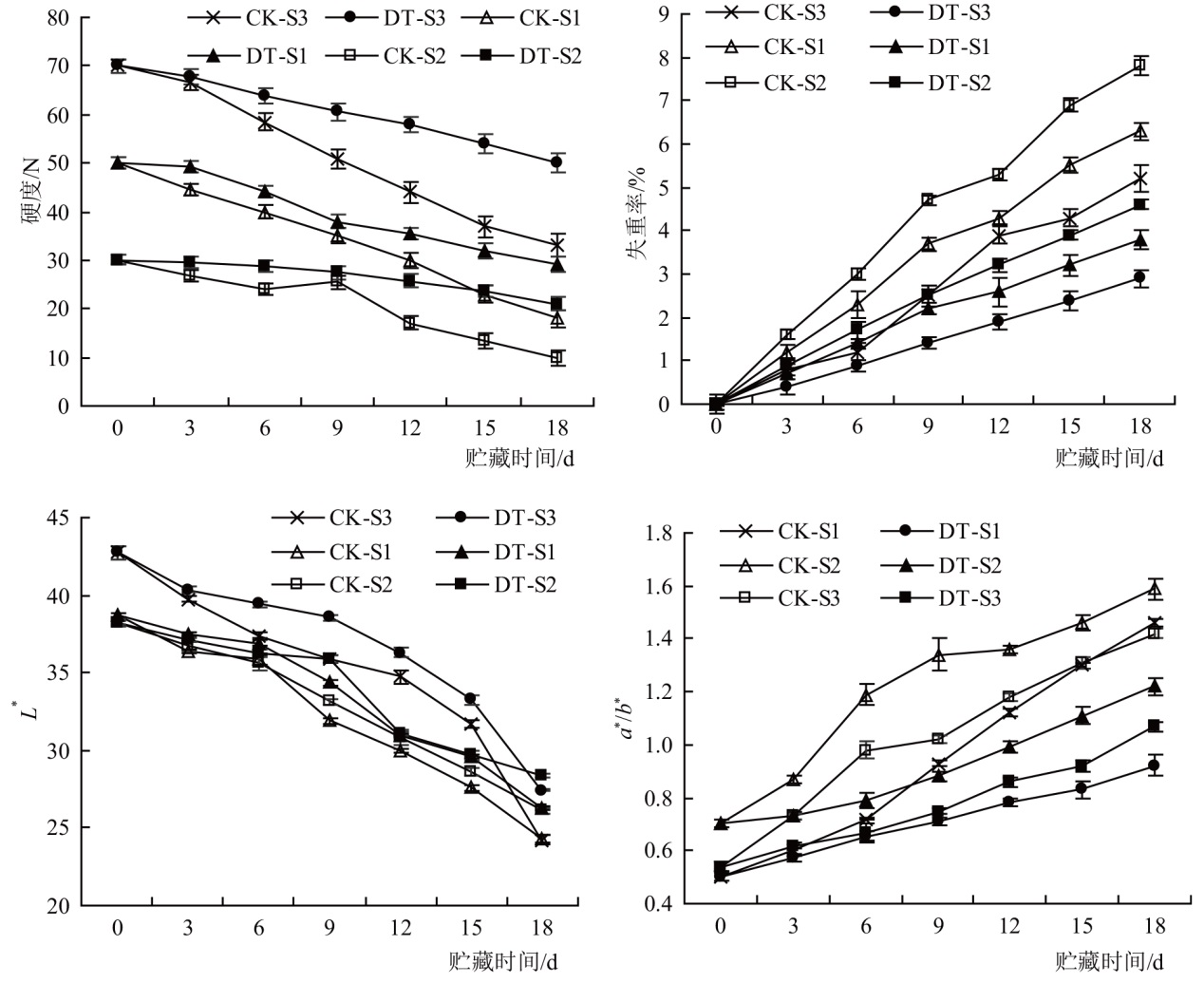
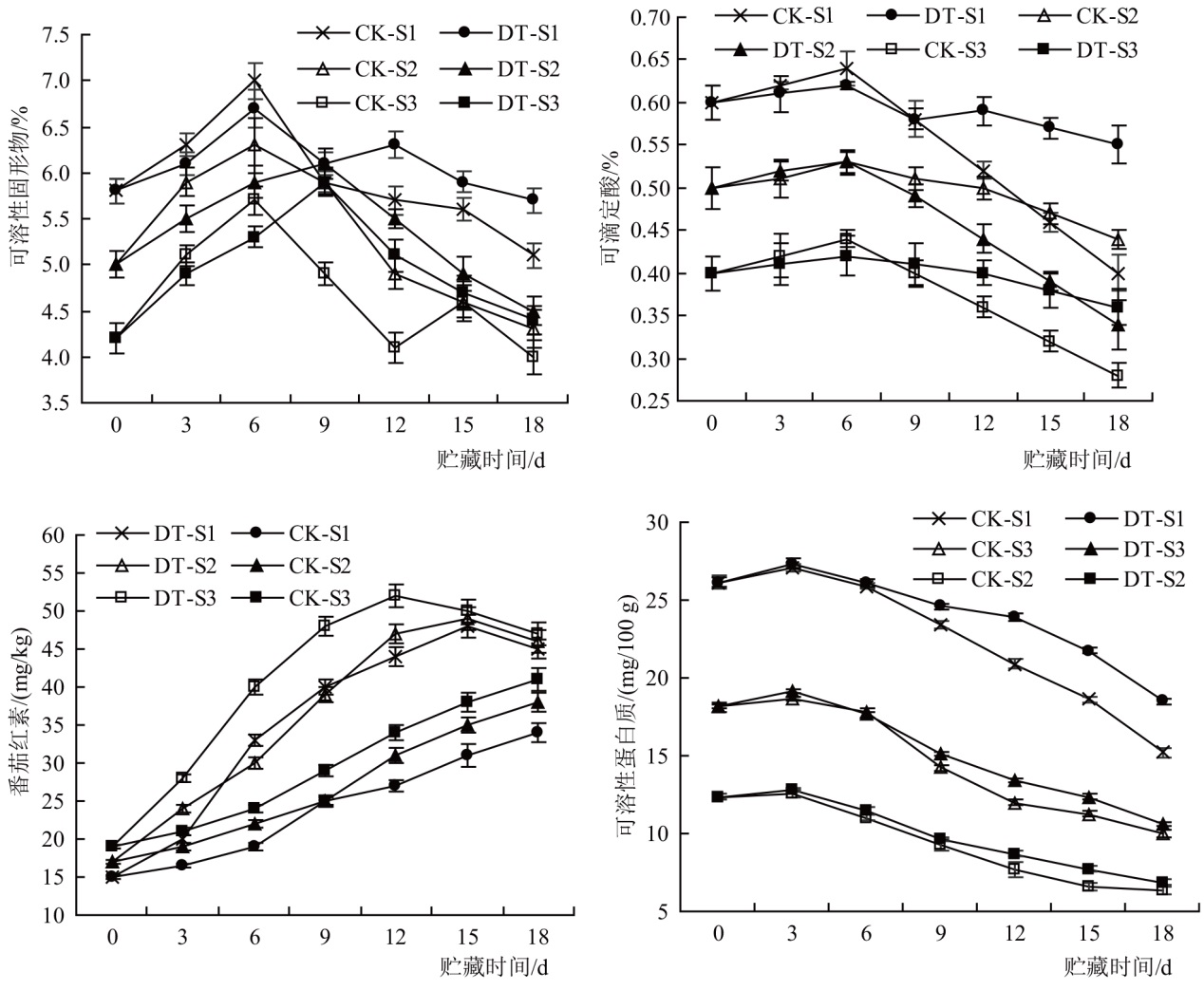
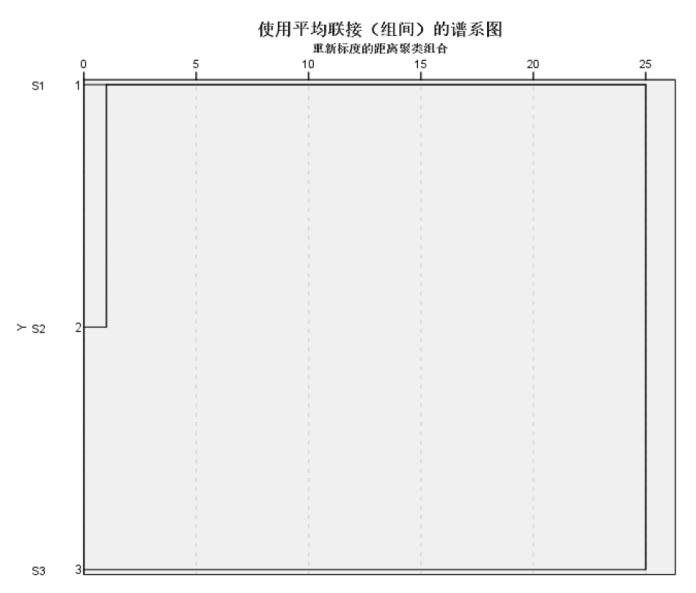
为研究攀枝花米易县‘川果番1号’‘禾美809’‘红硕豪迈’3个番茄品种的内在属性差异及其在常温与低温贮藏条件下的品质变化规律,以3种9成熟番茄为试材,测定其物理品质、营养品质与氧化稳定性共12项指标,结合主成分分析、聚类分析与相关性分析,建立贮藏过程中品质变化的动力学模型。结果表明,贮藏期内,25℃常温处理的番茄果实品质劣变更为显著,表现为硬度下降、失重率升高、丙二醛积累及营养成分流失,劣变程度均高于10℃低温组;同时,10℃低温处理能显著提升番茄红素含量,且降低各品质指标间的相关性(P<0.05);主成分分析与聚类分析显示,‘川果番1号’综合品质评分最高;基于番茄硬度,将一级动力学方程与Arrhenius方程结合,构建品质变化动力学模型。本研究得出3种番茄在常温与低温下的品质变化数据,证实10℃低温处理可有效延缓3种番茄果实劣变进程,在物理品质、营养品质与氧化稳定性方面,刚采摘新鲜番茄的品质排名为‘川果番1号’>‘禾美809’>‘红硕豪迈’,构建的动力学模型可快速预测3种番茄的货架期,为不同温度下贮藏番茄的品质评估提供参考。
中图分类号:
刘世彧, 肖欣余, 杜雨菡, 雷珊珊, 易成静, 方帷瑞, 李宏晨, 陈明睿, 刘耀文. 攀枝花不同品种番茄贮藏规律及品质比较[J]. 中国农学通报, 2026, 42(19): 187-199.
LIU Shiyu, XIAO Xinyu, DU Yuhan, LEI Shanshan, YI Chengjing, FANG Weirui, LI Hongchen, CHEN Mingrui, LIU Yaowen. Study on Storage Rules and Quality Comparison of Different Varieties of Tomatoes in Panzhihua[J]. Chinese Agricultural Science Bulletin, 2026, 42(19): 187-199.
| 品质指标 | 第1主成分 | 第2主成分 |
|---|---|---|
| 丙二醛 | 0.997 | 0.074 |
| 抗坏血酸 | 0.993 | 0.121 |
| 可溶性固形物 | 0.993 | 0.121 |
| 番茄红素 | -0.993 | -0.121 |
| 可滴定酸 | 0.993 | 0.121 |
| 总酚 | 0.991 | 0.133 |
| 类黄酮 | 0.972 | 0.234 |
| L* | -0.876 | 0.483 |
| 单果重量 | -0.735 | 0.678 |
| a*/b* | -0.069 | -0.998 |
| 可溶性蛋白质 | 0.477 | 0.879 |
| 硬度 | -0.601 | 0.799 |
| 硬度 | 可溶性固形物 | 可滴定酸 | 番茄红素 | 抗坏血酸 | 可溶性蛋白质 | 丙二醛 | 总酚 | 类黄酮 | 失重率 | L* | a*/b* | |
|---|---|---|---|---|---|---|---|---|---|---|---|---|
| 硬度 | 1 | |||||||||||
| 可溶性固形物 | 0.631 | 1 | ||||||||||
| 可滴定酸 | 0.912** | 0.860* | 1 | |||||||||
| 番茄红素 | -0.990** | -0.696 | -0.923** | 1 | ||||||||
| 抗坏血酸 | 0.959** | 0.802* | 0.960** | -0.982** | 1 | |||||||
| 可溶性蛋白质 | 0.961** | 0.788* | 0.982** | -0.969** | 0.987** | 1 | ||||||
| 丙二醛 | -0.977** | -0.561 | -0.833* | 0.969** | -0.914** | -0.895** | 1 | |||||
| 总酚 | 0.058 | 0.512 | 0.416 | -0.045 | 0.161 | 0.272 | 0.103 | 1 | ||||
| 类黄酮 | 0.048 | 0.514 | 0.411 | -0.041 | 0.153 | 0.261 | 0.114 | 0.995** | 1 | |||
| 失重率 | -0.993** | -0.594 | -0.873* | 0.990** | -0.948** | -0.935** | 0.989** | 0.048 | 0.056 | 1 | ||
| L* | 0.993** | 0.708 | 0.935** | -0.994** | 0.977** | 0.972** | -0.974** | 0.096 | 0.084 | -0.985** | 1 | |
| a*/b* | -0.996** | -0.687 | -0.934** | 0.996** | -0.979** | -0.975** | 0.966** | -0.086 | -0.078 | 0.988** | -0.995** | 1 |
| 硬度 | 可溶性固形物 | 可滴定酸 | 番茄红素 | 抗坏血酸 | 可溶性蛋白质 | 丙二醛 | 总酚 | 类黄酮 | 失重率 | L* | a*/b* | |
|---|---|---|---|---|---|---|---|---|---|---|---|---|
| 硬度 | 1 | |||||||||||
| 可溶性固形物 | 0.290 | 1 | ||||||||||
| 可滴定酸 | 0.857* | 0.711 | 1 | |||||||||
| 番茄红素 | -0.923** | 0.000 | -0.679 | 1 | ||||||||
| 抗坏血酸 | 0.890** | 0.549 | 0.915** | -0.786* | 1 | |||||||
| 可溶性蛋白质 | 0.941** | 0.525 | 0.932** | -0.759* | 0.890** | 1 | ||||||
| 丙二醛 | -0.926** | -0.012 | -0.663 | 0.924** | -0.717 | -0.766* | 1 | |||||
| 总酚 | -0.432 | 0.489 | -0.145 | 0.701 | -0.228 | -0.147 | 0.649 | 1 | ||||
| 类黄酮 | -0.383 | 0.483 | -0.127 | 0.684 | -0.234 | -0.114 | 0.549 | 0.974** | 1 | |||
| 失重率 | -0.994** | -0.217 | -0.823* | 0.953** | -0.872* | -0.900** | 0.954** | 0.526 | 0.473 | 1 | ||
| L* | 0.984** | 0.385 | 0.883** | -0.868* | 0.939** | 0.954** | -0.878** | -0.320 | -0.274 | -0.968** | 1 | |
| a*/b* | -0.996** | -0.224 | -0.821* | 0.935** | -0.874* | -0.917** | 0.947** | 0.477 | 0.422 | 0.997** | -0.979** | 1 |
| 品种 | 贮藏温度/ ℃ | 回归方程 | 回归系数 (R2) | 反应速率常数 (k) |
|---|---|---|---|---|
| S1 | 25 | y=-0.0556x+3.9833 | 0.9651 | 0.0556 |
| 10 | y=-0.0323x+3.952 | 0.983 | 0.0323 | |
| S2 | 25 | y=-0.0597x+3.5148 | 0.8959 | 0.0597 |
| 10 | y=-0.0195x+3.4483 | 0.9148 | 0.0195 | |
| S3 | 25 | y=-0.0442x+4.3033 | 0.987 | 0.0442 |
| 10 | y=-0.0186x+4.2658 | 0.9879 | 0.0186 |
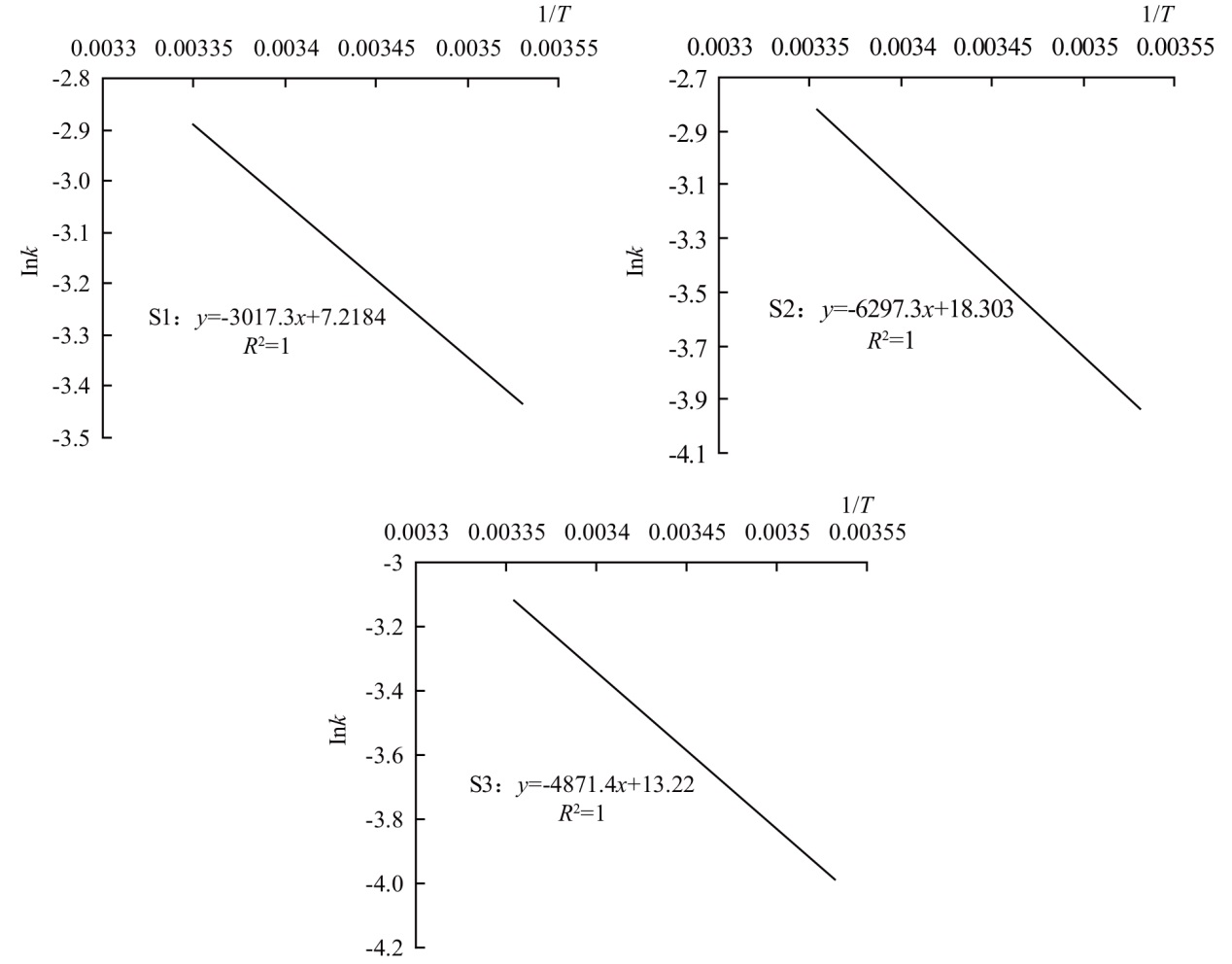
| [1] |
王仁杰, 蔡红明, 丁发强, 等. 5种口感番茄的风味物质分析与感官评价[J]. 中国蔬菜, 2025(6):146-156.
|
| [2] |
doi: 10.1016/j.postharvbio.2025.113845 URL |
| [3] |
doi: 10.1007/s00216-018-0854-8 pmid: 29350256 |
| [4] |
李景富, 何艳龙, 尚娜, 等. 番茄果实硬度与多个性状间相关分析及通径分析[J]. 东北农业大学学报, 2016, 47(5):1-8.
|
| [5] |
doi: 10.1186/s42506-021-00095-w |
| [6] |
doi: 10.1016/j.molliq.2023.122407 URL |
| [7] |
柯旭波, 潘凌洁, 张路, 等. 11个番茄品种的品质比较[J]. 湖北农业科学, 2015, 54(15):3692-3695.
|
| [8] |
程远, 万红建, 刘超超, 等. 十六个樱桃番茄品种果实风味品质相关指标比较分析[J]. 浙江农业学报, 2018, 30(11):1859-1869.
doi: 10.3969/j.issn.1004-1524.2018.11.08 |
| [9] |
庞胜群, 赵飏, 李格, 等. 灰色关联分析法综合评价不同品种加工番茄的品质[J]. 石河子大学学报(自然科学版), 2006(6):682-684.
|
| [10] |
曹建康. 果蔬采后生理生化指导[M]. 北京: 中国轻工业出版社,2022:29-49,70-72.
|
| [11] |
曾凡凡. MA包装结合1-MCP对樱桃番茄贮藏保鲜效果的影响[J]. 农业与技术, 2026, 46(7):34-39.
|
| [12] |
李爱玲. 油菜素内酯介导SlSAM3调控番茄果实色泽的分子机制[D]. 兰州: 甘肃农业大学, 2025.
|
| [13] |
doi: 10.1016/j.nbt.2021.02.002 URL |
| [14] |
刘秀云, 曹碧婷, 岳钉伊, 等. 西瓜种质资源番茄红素含量鉴定与评价[J]. 中国瓜菜, 2025, 38(2):25-31.
|
| [15] |
梁结桦, 冯瑞, 田柬昕, 等. 不同贮藏温度对即食花胶品质的影响及其保质期预测模型的建立[J]. 农产品加工, 2026(10):70-74.
|
| [16] |
裴娇艳. 番茄果实采后品质特性变化及预测模型研究[D]. 南京: 南京农业大学, 2010.
|
| [17] |
刘晶玉, 等. 赛菲娅·斯拉衣丁,阿迪娜·赛提汗, 臭氧处理对番茄果实贮藏期品质及活性氧代谢的影响[J]. 保鲜与加工, 2025, 25(9):31-39.
|
| [18] |
张珮, 刘妍, 潘转, 等. 低温贮藏的桃果实品质近红外光谱预测模型比较[J]. 中国食品学报, 2025, 25(10):386-396.
|
| [19] |
张翼斐, 鲁丁强, 刘玉姣, 等. 温度对采后番茄代谢通量的影响研究[J]. 保鲜与加工, 2025, 25(10):36-45.
|
| [20] |
|
| [21] |
张晓英, 毛咪, 靳雨婷, 等. 不同药剂处理对番茄果实转色及品质的影响[J]. 植物科学学报, 2026, 44(3):379-390.
|
| [22] |
黄鑫燕, 匡家灵, 陈月舞, 等. 磷酸二氢钾与硼酸配施对番茄生长、果实品质与转色的影响[J]. 作物杂志, 2026.
|
| [23] |
黄玉波, 梁路, 庄秋丽, 等. 蚯蚓营养液促进番茄生长并改善其果实品质[J]. 北方园艺, 2025(1):44-51.
|
| [24] |
屈乃聃, 曹玲玲, 王惠玉, 等. 蔬菜抗坏血酸合成代谢及影响因素研究进展[J]. 蔬菜, 2025(5):17-26.
|
| [25] |
李蕾. Sly-miR167a调控番茄果实采后低温耐受能力的表观遗传学机制研究[D]. 海口: 海南大学, 2024.
|
| [26] |
戴露. 几种微生物菌剂对盐渍环境下番茄的促生效果及果实品质的影响研究[D]. 烟台: 鲁东大学, 2025.
|
| [27] |
doi: 10.1016/j.jspr.2025.102643 URL |
| [1] | 刘洪民, 刘瑞娜, 谢明鸣, 杨太明. 六安脆桃春季低温天气指数保险研究与应用[J]. 中国农学通报, 2026, 42(9): 124-129. |
| [2] | 易永, 李民华. 杨梅气候品质评价方法及等级划分[J]. 中国农学通报, 2026, 42(9): 130-137. |
| [3] | 王毅, 刘婷婷, 靳丰蔚, 马晓伟, 董云. 几种茎叶除草剂对甘蓝型春油菜产量和品质的影响[J]. 中国农学通报, 2026, 42(9): 190-196. |
| [4] | 张玉龙, 周丽娟, 郭颂, 陈晶, 林彩霞, 完玛草. 高海拔环境下8个青稞品种的种植表现研究[J]. 中国农学通报, 2026, 42(9): 9-15. |
| [5] | 黄永平, 杨青青, 邓艳君, 叶佩. 春季冷空气对小龙虾投苗成活率的影响及预测模型构建[J]. 中国农学通报, 2026, 42(8): 211-218. |
| [6] | 毕言亮, 齐仕涵, 李琼玮, 邹晓霞, 司彤. 种衣剂促进花生种子低温下萌发和幼苗生长的生理机制[J]. 中国农学通报, 2026, 42(8): 44-52. |
| [7] | 周立垚, 刘娟, 刘海礁, 崔亚男, 刘兵, 罗艺龙, 于泷程, 陈亚菲, 许日升, 马腾飞. 生物炭在花生种植中的应用研究进展[J]. 中国农学通报, 2026, 42(7): 15-21. |
| [8] | 张桂芝, 赵红军, 王文良, 陈兰, 张晓洁, 刘国栋. 喷施脱叶催熟剂对棉花轻简化区域试验品种产量及纤维品质的影响[J]. 中国农学通报, 2026, 42(7): 22-29. |
| [9] | 赵成坤, 陈亮, 时向东, 李蒙旭, 吕尚举, 曹缠华, 丁松爽, 杨占伟. 氮肥用量对温室栽培茄衣烟株生长发育和烟叶品质的影响[J]. 中国农学通报, 2026, 42(7): 48-54. |
| [10] | 丁丽华, 童监萍, 吴群, 王同亮, 顾振海. 胡柚气候品质模型构建及等级评价[J]. 中国农学通报, 2026, 42(6): 127-132. |
| [11] | 刘伟, 段晓凤, 吴国舟, 包佳婧, 李淑褀. 基于气象条件的河套灌区向日葵籽粒品质区划[J]. 中国农学通报, 2026, 42(6): 133-140. |
| [12] | 凯迪日耶·克日木, 王雪姣, 王森, 克日木·阿巴司, 郭燕云, 火勋国, 张立祯, 黄彬香. 新疆叶城县核桃花期冻害气象条件及成因分析[J]. 中国农学通报, 2026, 42(6): 141-149. |
| [13] | 樊海潮, 赵中亭, 张志恒, 魏学文, 秦都林, 谢卫东, 刘庆帅, 张桂花. 缩节胺运筹对鲁西南地区蒜后直播棉的调控效应[J]. 中国农学通报, 2026, 42(6): 48-53. |
| [14] | 郑筱媛, 陈靖瑜, 王惠聪, 王振江, 王丹. 38份桑椹种质资源果实品质分析及综合评价[J]. 中国农学通报, 2026, 42(6): 72-84. |
| [15] | 宋占华, 黄杰, 张世冠, 韦爱琳, 钟勇, 梁忠明, 李连华, 农媛, 宋艺, 甘桂云, 何炳竹. 不同类型地膜的降解特征及其对樱桃番茄产量和土壤环境的影响[J]. 中国农学通报, 2026, 42(6): 95-101. |
| 阅读次数 | ||||||
|
全文 |
|
|||||
|
摘要 |
|
|||||
