欢迎访问《中国农学通报》,

中国农学通报 ›› 2025, Vol. 41 ›› Issue (35): 37-45.doi: 10.11924/j.issn.1000-6850.casb2025-0803
王雨龙1( ), 朱国燕1, 姚溪蕊1, 宋辰1, 张龙刚2, 常伟3, 张萌萌3()
收稿日期:2025-09-12
修回日期:2025-11-07
出版日期:2025-12-11
发布日期:2025-12-11
通讯作者:
作者简介:王雨龙,男,1987年出生,内蒙古化德人,高级工程师,本科,研究方向:矿区安全检测。通信地址:152500 黑龙江省伊春市铁力林业局鹿鸣林场,E-mail:353115594@qq.com。
基金资助:
WANG Yulong1(), ZHU Guoyan1, Yao Xirui1, SONG Chen1, ZHANG Longgang2, CHANG Wei3, ZHANG Mengmeng3()
Received:2025-09-12
Revised:2025-11-07
Published:2025-12-11
Online:2025-12-11
摘要:
在全球气候变化与生物多样性丧失的双重挑战下,矿区生态修复的需求愈发迫切。钼尾矿作为矿产加工的主要固体废弃物,其长期堆积不仅侵占土地资源,更因成分复杂,富含铅(Pb)、铬(Cr)、砷(As)等重金属及酸性物质,直接威胁农业生产环境与农产品安全。因此,推进钼尾矿的生态修复与资源化利用刻不容缓。本文系统梳理了应对钼尾矿问题的两大核心策略:其一,针对污染土壤的生态修复技术,总结了物理(如客土、电动修复)、化学(如固化/稳定化、淋洗)及生物(如超富集植物)等主流方法的机理与应用;其二,尾矿的资源化利用途径,重点探讨了服务于农林业可持续发展的新方向,包括复垦基质配制、土壤改良剂与硅钾肥开发、以及林业碳汇生态系统构建等。当前,生态修复与资源化利用实践相对独立。未来发展的关键在于构建“修复—资源化—碳减排”深度融合的综合治理范式,旨在同步实现三重目标:高效控制环境风险与恢复生态功能、最大化资源价值产出并减少尾矿堆积、显著降低全链条碳排放。该整合路径不仅能系统解决钼尾矿的环境与经济双重挑战,更直接服务于耕地保护、粮食安全及“双碳”战略。
王雨龙, 朱国燕, 姚溪蕊, 宋辰, 张龙刚, 常伟, 张萌萌. 钼尾矿生态修复技术及综合利用研究进展[J]. 中国农学通报, 2025, 41(35): 37-45.
WANG Yulong, ZHU Guoyan, Yao Xirui, SONG Chen, ZHANG Longgang, CHANG Wei, ZHANG Mengmeng. Ecological Restoration Technology and Comprehensive Utilization of Molybdenum Tailings: A Review[J]. Chinese Agricultural Science Bulletin, 2025, 41(35): 37-45.
| 阶段 | 核心关键词 | 代表性技术 | 主要修复对象 | 局限性 |
|---|---|---|---|---|
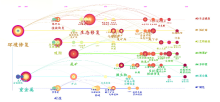
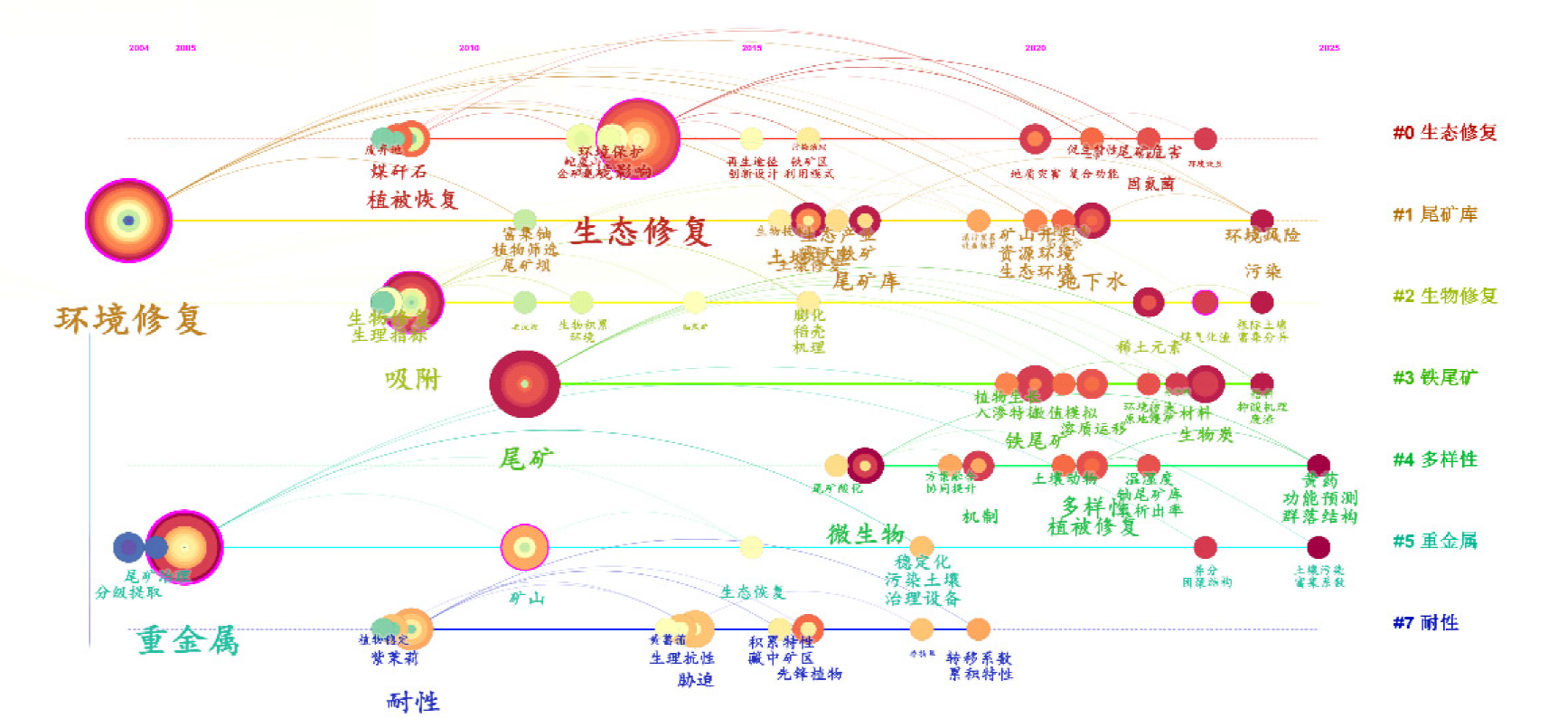
| 2004—2010年 | 植被恢复、重金属吸附、耐性植物筛选 | 化学固定、植被覆盖 | 煤矸石山、尾矿坝 | 周期长、生态系统不稳定 |
| 2010—2025年 | 生物炭、固氮菌、植被修复 | 微生物协同、多层阻隔、资源化 | 铁矿、铅锌矿、铀矿 | 成本高、技术集成复杂度大 |
| 阶段 | 核心关键词 | 代表性技术 | 主要修复对象 | 局限性 |
|---|---|---|---|---|
| 2004—2010年 | 植被恢复、重金属吸附、耐性植物筛选 | 化学固定、植被覆盖 | 煤矸石山、尾矿坝 | 周期长、生态系统不稳定 |
| 2010—2025年 | 生物炭、固氮菌、植被修复 | 微生物协同、多层阻隔、资源化 | 铁矿、铅锌矿、铀矿 | 成本高、技术集成复杂度大 |
| 成分 | SiO2 | Al2O3 | CaO | Fe2O3 | MgO | K2O | Na2O | TiO2 | Mo | WO3 |
|---|---|---|---|---|---|---|---|---|---|---|
| 含量 | 42.0~75.0 | 10.0~15.0 | 2.5~15.0 | 2.5~29.0 | 1.0~12.0 | 1.0~5.0 | 0.1~3.0 | 0.4~0.6 | 0.01~0.07 | 0.06~0.20 |
| 成分 | SiO2 | Al2O3 | CaO | Fe2O3 | MgO | K2O | Na2O | TiO2 | Mo | WO3 |
|---|---|---|---|---|---|---|---|---|---|---|
| 含量 | 42.0~75.0 | 10.0~15.0 | 2.5~15.0 | 2.5~29.0 | 1.0~12.0 | 1.0~5.0 | 0.1~3.0 | 0.4~0.6 | 0.01~0.07 | 0.06~0.20 |
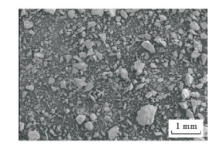
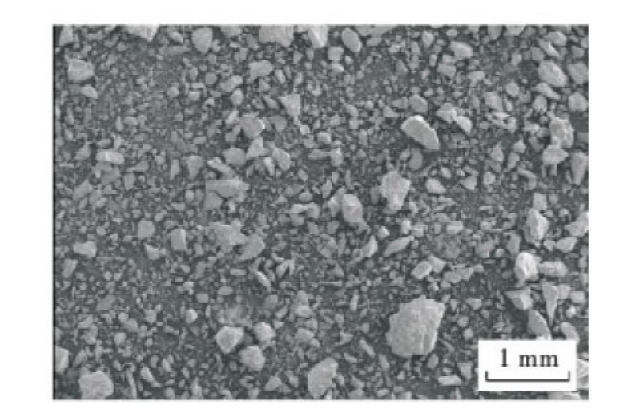
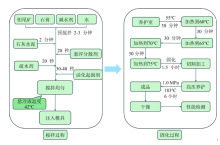
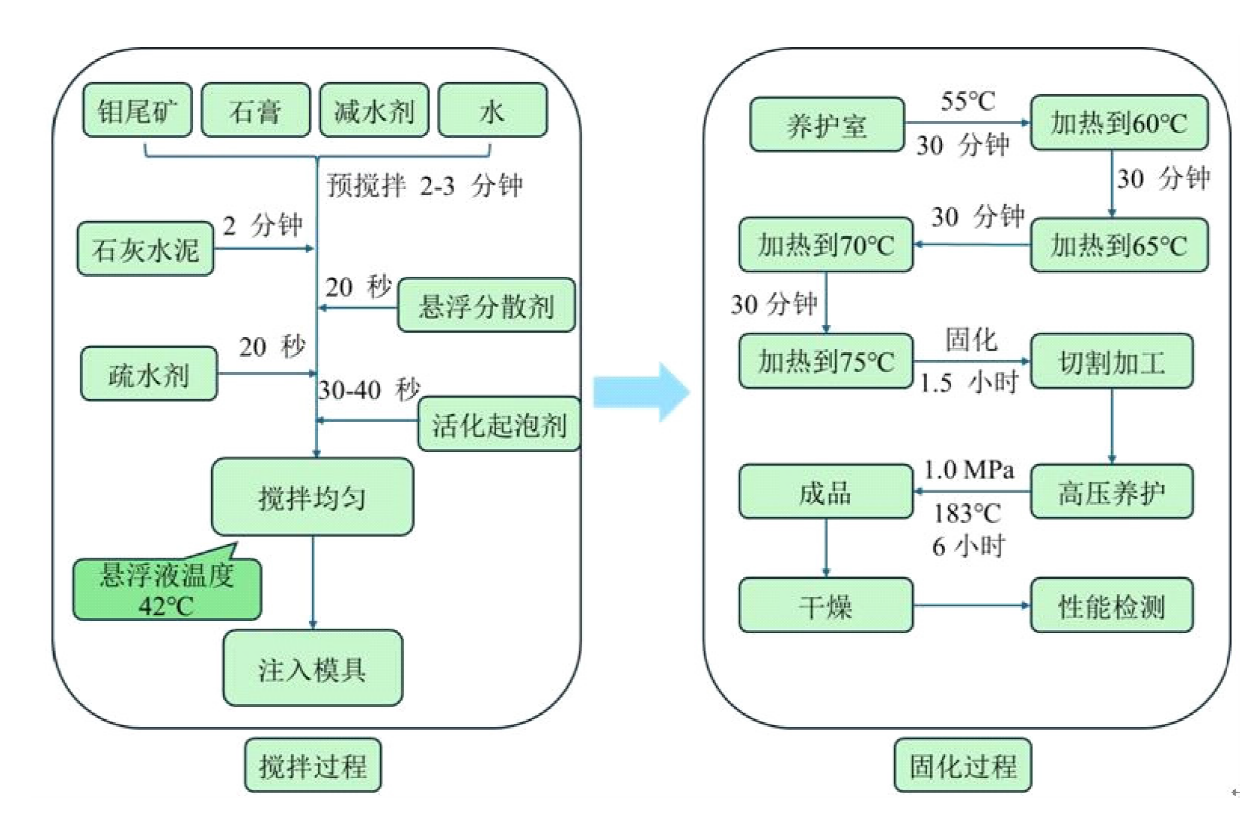
| 序号 | 主成分 /% | 添加物1 /% | 添加物2 /% | 添加物3 /% | 添加物4 /% | 添加物5 /% | 抗压强度 /MPa |
|---|---|---|---|---|---|---|---|
| 1 | 钼尾矿 | 矿渣 | 水泥 | 石灰 | 石膏 | 铝粉 | 3.12 [ |
| 40 | 25 | 10 | 22 | 3 | 0.06 | ||
| 2 | 钼尾矿砂 | 复合凝胶 | 卵石 | 70 [ | |||
| 27 | 24.5 | 48.5 | |||||
| 3 | 钼尾矿 | 水泥 | PC减水剂 | 水 | 45.5 [ | ||
| 32 | 47.8 | 0.2 | 20 | ||||
| 4 | 钼尾矿砂 | 农作物副产品 | 水泥 | 石灰 | 石膏 | 铝粉 | 未注明[ |
| 30~65 | 30~60 | 5~15 | 12~25 | 3~5 | 0.03~0.13 |
| 序号 | 主成分 /% | 添加物1 /% | 添加物2 /% | 添加物3 /% | 添加物4 /% | 添加物5 /% | 抗压强度 /MPa |
|---|---|---|---|---|---|---|---|
| 1 | 钼尾矿 | 矿渣 | 水泥 | 石灰 | 石膏 | 铝粉 | 3.12 [ |
| 40 | 25 | 10 | 22 | 3 | 0.06 | ||
| 2 | 钼尾矿砂 | 复合凝胶 | 卵石 | 70 [ | |||
| 27 | 24.5 | 48.5 | |||||
| 3 | 钼尾矿 | 水泥 | PC减水剂 | 水 | 45.5 [ | ||
| 32 | 47.8 | 0.2 | 20 | ||||
| 4 | 钼尾矿砂 | 农作物副产品 | 水泥 | 石灰 | 石膏 | 铝粉 | 未注明[ |
| 30~65 | 30~60 | 5~15 | 12~25 | 3~5 | 0.03~0.13 |
| 技术类型 | 原料配比(质量比) | 关键工艺参数 | 发泡剂 | 产物性能 |
|---|---|---|---|---|
| 基础陶瓷[ | 钼尾矿:黏土:石英 = 65:20:15 | 压制成型,1165℃, 保温120 min | 无 | 体积密度2.23 g/cm3, 抗折强度46.85 MPa |
| 泡沫陶瓷[ | 钼尾矿:钾钠石粉:粘土 = 7:2:1 | 1150℃, 保温30 min | 0.4% SiC | 体积密度0.67 g/cm3,抗压强度6.25 MPa, 导热系数0.13 W/(m·K) |
| 多孔陶瓷[ | 钼尾矿:石英:铝酸盐水泥= 7:10:3 | 1100℃烧结, 保温2 h | 2% H2O2 | 体积密度0.79 g/cm3,显气孔率69.6%, 抗压强度0.49 MPa |
| 固废协同发泡陶瓷[ | 钼尾矿:粉煤灰:废玻璃粉: 白云石=52.5:25:15:7.5 | 1180℃发泡烧结 | 未注明 | 体积密度0.52 g/cm3,气孔密度为63.0%, 抗压强度9.67 MPa |
| 技术类型 | 原料配比(质量比) | 关键工艺参数 | 发泡剂 | 产物性能 |
|---|---|---|---|---|
| 基础陶瓷[ | 钼尾矿:黏土:石英 = 65:20:15 | 压制成型,1165℃, 保温120 min | 无 | 体积密度2.23 g/cm3, 抗折强度46.85 MPa |
| 泡沫陶瓷[ | 钼尾矿:钾钠石粉:粘土 = 7:2:1 | 1150℃, 保温30 min | 0.4% SiC | 体积密度0.67 g/cm3,抗压强度6.25 MPa, 导热系数0.13 W/(m·K) |
| 多孔陶瓷[ | 钼尾矿:石英:铝酸盐水泥= 7:10:3 | 1100℃烧结, 保温2 h | 2% H2O2 | 体积密度0.79 g/cm3,显气孔率69.6%, 抗压强度0.49 MPa |
| 固废协同发泡陶瓷[ | 钼尾矿:粉煤灰:废玻璃粉: 白云石=52.5:25:15:7.5 | 1180℃发泡烧结 | 未注明 | 体积密度0.52 g/cm3,气孔密度为63.0%, 抗压强度9.67 MPa |
| [1] |
宋维国, 肖丹, 宋泽友, 等. 我国钼矿床伴生矿产综合勘查评价指标探讨[J]. 矿产勘查, 2018, 9(3):267-275.
|
| [2] |
李政, 吴琪, 张必欣, 等. 中国钼矿开发利用现状及资源形势分析[J]. 科技导报, 2024, 42(5):47-52.
doi: 10.3981/j.issn.1000-7857.2024.05.004 |
| [3] |
曹亮, 高海亮, 刘晓辉, 等. 2024年钼业年评[J]. 中国钼业, 2025, 49(2):1-9.
|
| [4] |
doi: 10.3390/app10010138 URL |
| [5] |
高莲凤, 田释梦, 张振国, 等. 钼尾矿资源综合利用研究进展[J]. 吉林大学学报(地球科学版), 2024, 54(5):1544-1557.
|
| [6] |
穆启超, 蔡铁刚. 钼矿区河流钼污染评价及来源探讨[J]. 环境污染与防治, 2023, 45(8):1126-1131,1137.
|
| [7] |
|
| [8] |
于常武. 碱性钼尾矿及其影响水体中重金属迁移转化规律研究[D]. 大连: 大连理工大学, 2010.
|
| [9] |
doi: 10.1007/s10653-024-01886-8 pmid: 38483651 |
| [10] |
doi: 10.1111/sum.v40.1 URL |
| [11] |
袁梦瑶, 赖潘民旺, 胡渭平, 等. 秦岭典型钼矿区不同植物群落对矿区土壤碳汇效应研究[J]. 生态环境学报, 2024, 33(12):1862-1873.
doi: 10.16258/j.cnki.1674-5906.2024.12.004 |
| [12] |
苏彩丽, 徐晓航, 苏雨轩, 等. 某钼尾矿库周围地下水污染调查及污染源解析[J]. 广州化工, 2024, 52(1):160-163.
|
| [13] |
doi: 10.1016/j.hydromet.2009.03.010 URL |
| [14] |
樊金拴. 北方煤矸石废弃地植被恢复技术研究[D]. 杨凌: 西北农林科技大学, 2010.
|
| [15] |
安俊珍, 蔡崇法, 罗进选, 等. 蛇屋山金矿的生态环境损害与尾矿植被恢复研究[C]. 中国水土保持学会水土保持生态修复专业委员会换届及第五届全国水土保持生态修复学术研讨会, 2012.
|
| [16] |
肖磊. 耐重金属真菌的分离、鉴定及特性研究[D]. 成都: 四川师范大学, 2009.
|
| [17] |
胡猛. 乌努格吐山铜钼矿区环境评价与生态修复研究[D]. 长春: 吉林大学, 2013.
|
| [18] |
doi: 10.1080/08120090600632383 URL |
| [19] |
张孝龙, 王永霞, 赵江源, 等. 四株碱性环境真菌铁载体活性筛选[J]. 微生物学报, 2016, 56(6):1022-1033.
|
| [20] |
温桂兰, 周少燕. 豆科植物对污染物的耐性及环境修复研究[J]. 农技服务, 2016, 33(4):8,169.
|
| [21] |
侯万里. 蜀葵和冬葵对铅胁迫的耐性生理及铅污染环境修复研究[D]. 南昌: 江西财经大学, 2016.
|
| [22] |
doi: 10.3390/microorganisms12091820 URL |
| [23] |
杨峻. 矿山开发利用与生态修复多方案协同融合机制研究[D]. 北京: 中国地质大学, 2019.
|
| [24] |
郭丽芳, 杨瑞, 孙蔚旻. 尾矿固氮菌的分离筛选及其植物促生效应研究[J]. 生态环境学报, 2022, 31(11):2180-2188.
doi: 10.16258/j.cnki.1674-5906.2022.11.009 |
| [25] |
李琪. 生物炭对铜尾矿重金属固定及尾矿改良研究[D]. 昆明: 昆明理工大学, 2023.
|
| [26] |
欧阳霞, 施苏锋. 中国南方铀矿环境修复问题研究进展[J]. 矿产综合利用, 2024, 45(3):102-111.
|
| [27] |
任康辉. 铁尾矿—生物炭复合材料的制备及Cr (Ⅵ) 吸附性能研究[D]. 兰州: 兰州大学, 2023.
|
| [28] |
doi: 10.1016/j.apgeochem.2014.07.022 URL |
| [29] |
doi: 10.1088/1757-899X/962/4/042068 |
| [30] |
丁华毅. 生物炭的环境吸附行为及在土壤重金属镉污染治理中的应用[D]. 厦门: 厦门大学, 2014.
|
| [31] |
谢伟强. 铅锌矿区污染土壤及废渣的固化/稳定化修复及机理研究[D]. 长沙: 湖南大学, 2016.
|
| [32] |
朱小峰. 废弃矿区铅锌尾矿重金属化学稳定化研究[D]. 北京: 首都经济贸易大学, 2014.
|
| [33] |
王显海, 刘云国, 曾光明, 等. EDTA溶液修复重金属污染土壤的效果及金属的形态变化特征[J]. 环境科学, 2006(5):1008-1012.
|
| [34] |
王海涛, 田玮, 岳昌盛, 等. 金属尾矿土壤重金属污染及修复技术研究现状[J]. 中国资源综合利用, 2022, 40(5):127-131.
|
| [35] |
doi: 10.1016/j.envexpbot.2017.12.016 URL |
| [36] |
doi: S0045-6535(17)30927-X pmid: 28623832 |
| [37] |
|
| [38] |
doi: 10.1007/s11356-018-2641-7 pmid: 29987470 |
| [39] |
doi: 10.1080/01904167.2011.585209 URL |
| [40] |
王旭旭, 黄鑫浩, 胡丰姣. 锌的积累及叶片养分含量特征研究[J]. 中南林业科技大学学报, 2018, 38(6):115-122.
|
| [41] |
王硕, 赵虎, 田祎, 等. 钼尾矿典型元素特性与基于TRRP模型的路基利用环境影响评估[J]. 环境工程, 2025, 43(10):134-143.
|
| [42] |
doi: 10.1016/j.jclepro.2022.133649 URL |
| [43] |
doi: 10.1016/j.jobe.2022.104036 URL |
| [44] |
|
| [45] |
|
| [46] |
doi: 10.3390/pr11041101 URL |
| [47] |
代文彬, 郑永超, 陈旭峰, 等. 钼尾矿水泥免烧砖压制工艺及着色特性[J]. 工程科学学报, 2018, 40(10):1196-1207.
|
| [48] |
doi: 10.1016/j.conbuildmat.2025.142350 URL |
| [49] |
doi: 10.1088/1742-6596/1635/1/012089 |
| [50] |
doi: 10.1016/j.conbuildmat.2024.136897 URL |
| [51] |
doi: 10.1007/s13296-024-00820-z |
| [52] |
李春, 王恩峰, 崔乐, 等. 钼尾矿免蒸压加气混凝土的试验研究[J]. 矿产综合利用, 2017(5):80-84.
|
| [53] |
刘世昌. 极细颗粒钼尾矿制备高强混凝土的研究[D]. 邯郸: 河北工程大学, 2017.
|
| [54] |
崔孝炜, 狄燕清, 南宁, 等. 钼尾矿骨料混凝土的试验研究[J]. 混凝土与水泥制品, 2016(8):84-87.
|
| [55] |
林东旭. 利用钼尾矿砂制备适于制造板材的加气混凝土[J]. 中国钼业, 2018, 42(6):56.
|
| [56] |
王秀兰, 田达威, 史苘桧, 等. 钼尾矿制备建筑陶瓷及性能研究[J]. 人工晶体学报, 2017, 46(8):1517-1520.
|
| [57] |
李兆威, 钟路生. 一种高掺量钼尾矿渣泡沫陶瓷的研制[J]. 陶瓷, 2017, 6:27-29.
|
| [58] |
赵威, 王竹, 戴永刚, 等. MnO2对钼尾矿基发泡陶瓷升温速率影响的研究[J]. 硅酸盐通报, 2020, 39(4):1266-1271.
|
| [59] |
申畅, 范培强, 童雄, 等. 钼尾矿综合利用研究进展[J/OL]. 化工矿物与加工,1-17[2025-12-02]. https://link.cnki.net/urlid/32.1492.TQ.20250528.1714.002.
|
| [60] |
代文彬, 陈旭峰, 苍大强. 承德钼尾矿免烧砖的制备与着色[J]. 金属矿山, 2017, 494(8):204-208.
|
| [61] |
陈明日, 史非, 郑晓航, 等. 碱浸钼尾矿制备白炭黑的工艺与表征[J]. 大连工业大学学报, 2015, 34(6):267-471.
|
| [62] |
王存建, 董锡洪, 金峰, 等. 重金属污染农田土壤修复剂其制备方法和修复方法:201911322442.7[P].2020-04-10.
|
| [63] |
王静, 王博, 曹劲楠, 等. 碱激发-水热法活化某超细钼尾矿制备硅钾土壤调理剂[J]. 矿产保护与利用, 2024, 44(6):88-96.
|
| [64] |
刘帆, 何光强, 牛涛. 一种钼尾矿改良土壤的矿质修复剂:105967936A[P].2016-2-19.
|
| [65] |
石扬娟, 康勇, 刘玉坤, 等. 硅肥施用量对不同水稻品种植株抗倒伏能力的影响[J]. 现代农业科技, 2023(19):12-14,18.
|
| [66] |
卢惠敏, 黄奇伟, 吴伊鑫, 等. 减肥减药配施硅钙钾镁肥对小麦产量品质及赤霉病防控的影响[J]. 浙江大学学报(农业与生命科学版), 2022, 48(2):207-215.
|
| [67] |
蒋雄英, 陈桂芬, 尹辉, 等. 硅肥对甘蔗的生长、产量和品质的影响[J]. 西南农业学报, 2014, 27(6):2460-2464.
|
| [68] |
doi: 10.1016/j.chemosphere.2018.10.216 URL |
| [69] |
徐晓萍, 高玉德, 孟庆波. 利用某钼尾矿回收钼及制备硅肥的研究[J]. 材料研究与应用, 2018(1):55-158.
|
| [70] |
吴摇贵. 无害化钼尾矿可控缓释肥田间效果分析[J]. 科技创业家, 2013(21):166.
|
| [71] |
doi: 10.1016/j.cej.2024.152726 URL |
| [72] |
张杉. 洛阳市钼矿区不同菌根类型植物叶片生态计量特征[D]. 洛阳: 河南科技大学, 2023.
|
| [73] |
刘贺雷. 陕北矿区典型植物群落土壤碳氮特征及植物残体输入对土壤碳氮组分的影响[D]. 杨凌:西北农林科技大学,2025.
|
| [1] | 徐杰, 张亚, 李坪钊, 徐磊, 程琰勋, 文方平. 滇中元谋土壤重金属物调查研究及环境评价[J]. 中国农学通报, 2025, 41(9): 81-90. |
| [2] | 黄苗, 杨国涛, 刁燕, 张雷, 严瑜, 李玉, 许巍, 杨亮. 四川盆地稻田土壤—水稻重金属富集与相关性评价[J]. 中国农学通报, 2025, 41(5): 103-109. |
| [3] | 阿英格, 何良荣, 付彦博, 扁青永, 孟阿静, 戴玉芳, 焦云琦. 不同碳氮比对薰衣草秸秆好氧堆肥品质的影响[J]. 中国农学通报, 2025, 41(25): 85-93. |
| [4] | 潘鹏, 丁洋, 杨冬, 岳本奇, 孙晗, 杨秋苹, 苗雨, 刘英姿, 孟广超. 吉林省绿色水稻种植区土壤pH与重金属含量的空间关联性研究[J]. 中国农学通报, 2025, 41(24): 79-87. |
| [5] | 谷艳茹, 徐兴健, 王晓晶, 白丽媛, 陈光明, 赵燃, 包玉娇, 王淑萍, 郭龙玉, 毕盛楠. 电气石尾矿对水稻生长发育、生理指标及产量的影响[J]. 中国农学通报, 2025, 41(18): 1-7. |
| [6] | 王楷予, 王兆轩, 敖国旭, 葛菁萍, 凌宏志, 孙珊珊. 生物修复重金属污染的研究进展:基于微生物诱导碳酸盐沉淀技术[J]. 中国农学通报, 2025, 41(17): 62-71. |
| [7] | 徐晓艳, 李文彬, 王蕾, 孙丽. 6种纯林结构对TSP、PM2.5消减作用以及PM2.5中重金属质量浓度的影响[J]. 中国农学通报, 2025, 41(13): 19-25. |
| [8] | 张韩, 武永福, 郝良鲁, 蔡立群. 庆阳市果园土壤重金属污染水平、健康风险及来源解析[J]. 中国农学通报, 2025, 41(1): 96-104. |
| [9] | 董瑶, 俞胡伟, 刘智硕, 赵秀芳, 戎郁萍. 东莞市河道底泥特征及作为绿化种植土的可行性研究[J]. 中国农学通报, 2024, 40(5): 69-73. |
| [10] | 危湘宁, 刘根红, 肖明. 枸杞对土壤重金属胁迫的响应机制研究进展[J]. 中国农学通报, 2024, 40(34): 77-82. |
| [11] | 王丹, 杜衍红, 刘传平, 王向琴. 东南景天与甜玉米套种对镉污染农田修复效果研究[J]. 中国农学通报, 2024, 40(33): 118-122. |
| [12] | 薛志伟, 郜峰, 黄青青, 杨春玲. 农田土壤—小麦系统重金属迁移特征和风险评估[J]. 中国农学通报, 2024, 40(30): 48-54. |
| [13] | 郭松, 杜慧莹, 刘声锋, 杨万邦, 赵营. 中卫市退砂土地农作物复垦的可行性分析研究[J]. 中国农学通报, 2024, 40(29): 80-86. |
| [14] | 刘振稳, 刘倩, 肖潇, 马仁义, 常恩福, 孟广涛, 张正海. 灌草覆盖——干热河谷区植被修复新路径探析[J]. 中国农学通报, 2024, 40(24): 60-66. |
| [15] | 胡新飒. 鱼体重金属残留研究进展[J]. 中国农学通报, 2024, 40(21): 139-145. |
| 阅读次数 | ||||||
|
全文 |
|
|||||
|
摘要 |
|
|||||
